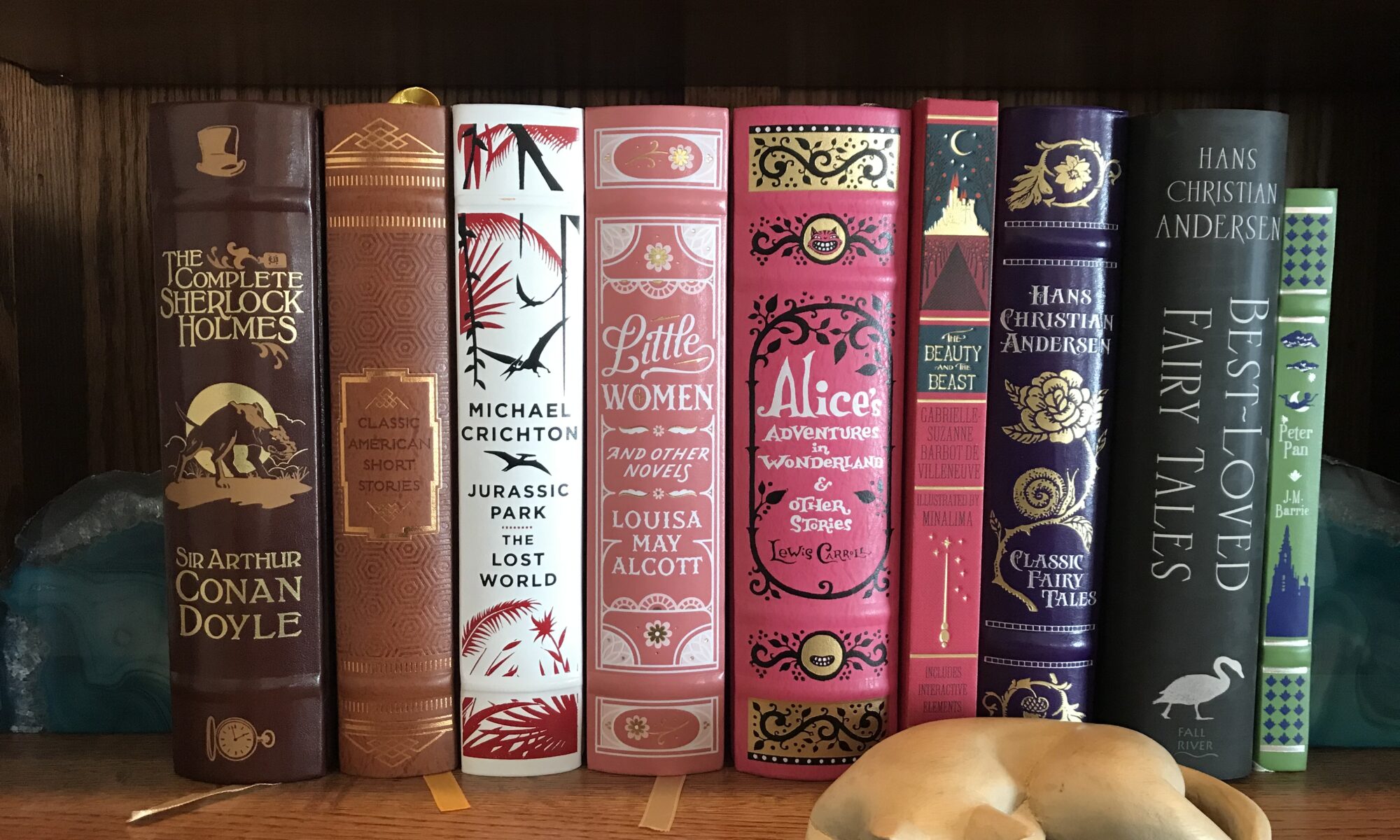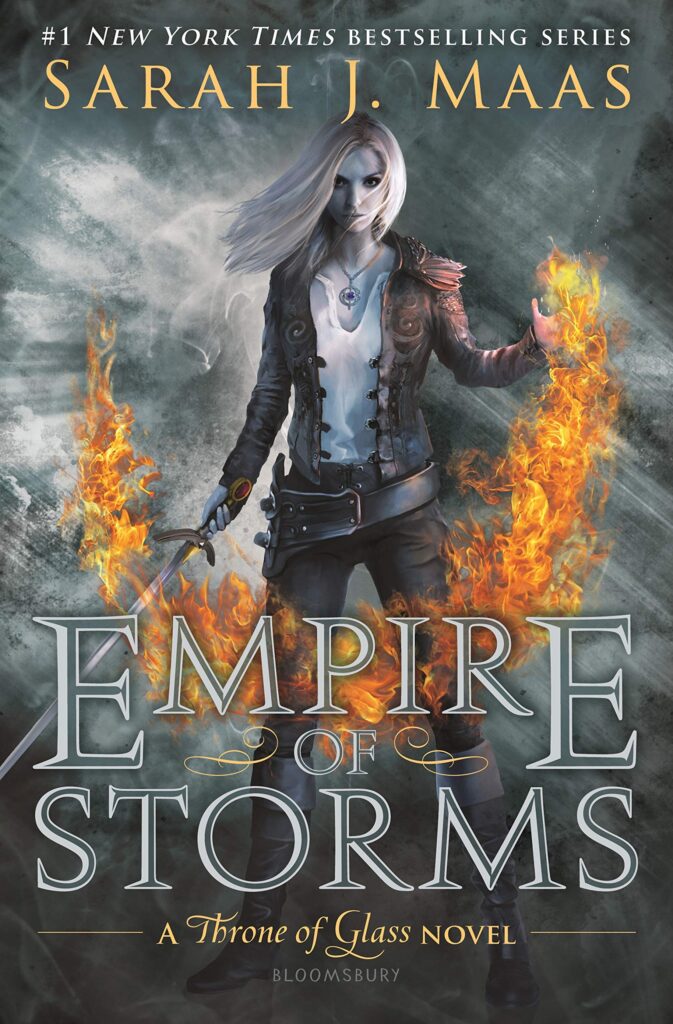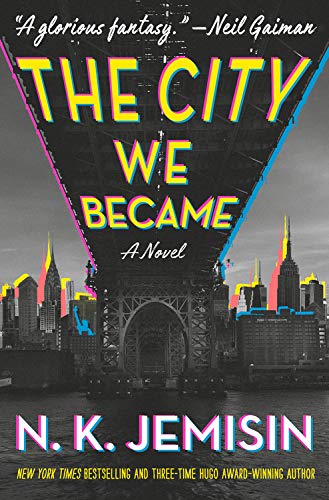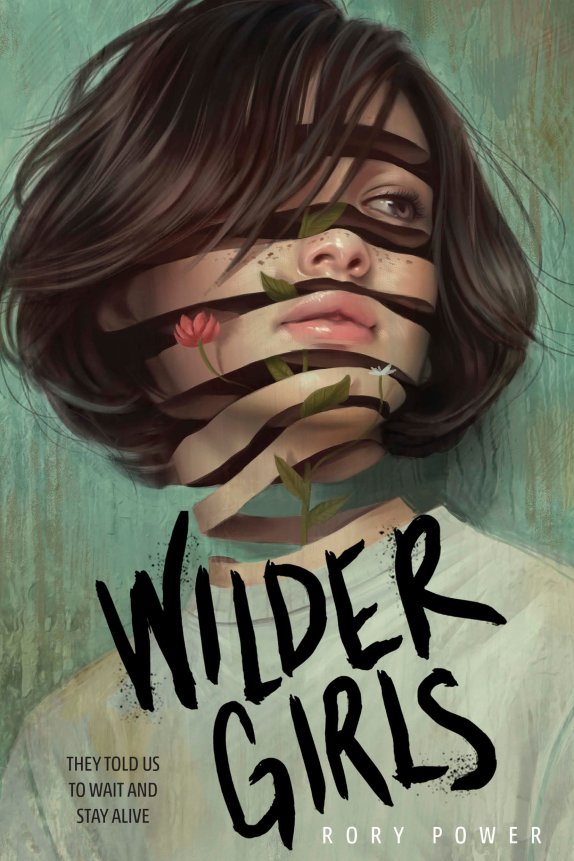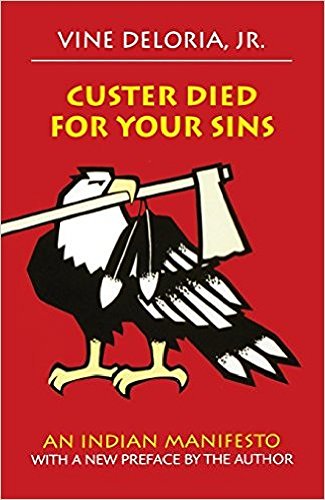
August 2021 Books

Books Reread

Doubleday

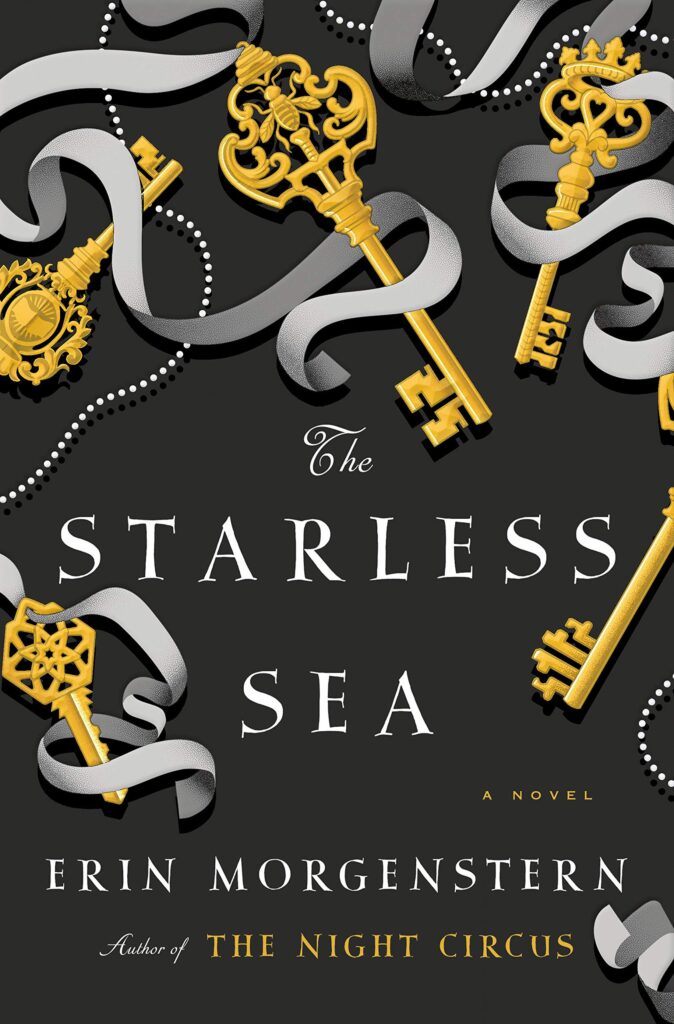
The Starless Sea by Erin Morgenstern
**Book Hangover Alert
I made my parents listen to this when we drove from Colorado to California and they didn’t really know what was going on. This is a nonlinear narrative, which I know some people struggle with. But it’s definitely one of my favorite books. I just adore how the stories are woven together and how all stories are really one story. I also think Morgenstern is a master of creating lush magical worlds for her readers to inhabit. I absolutely loved The Night Circus, her first book, and both the night circus and the harbors on the starless sea are meticulously crafted, gorgeous places that fill me with the same longing that thinking about Narnia or Hogwarts or Neverland make me feel.
10/10 kitchen bees
Ghostwritten by David Mitchell
CW: rape, violence, abusive relationships, racism and xenophobia
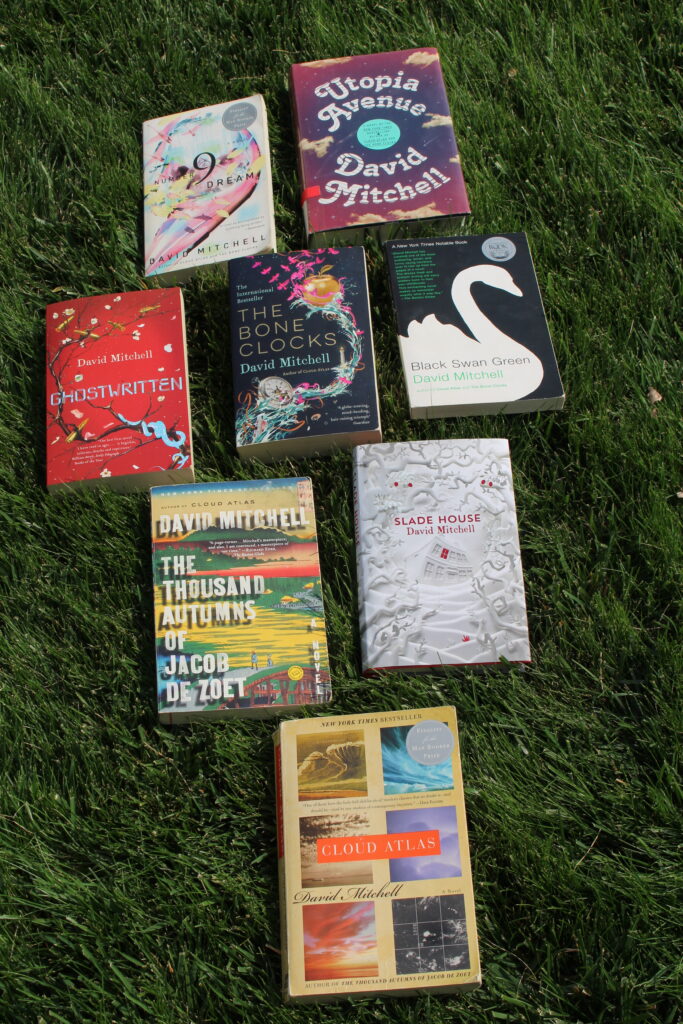
Every time I read or reread a David Mitchell book I feel like I have to read all his other books again too. I’m always finding new connections within the book and to his other books. I love how how his characters flit across all his novels. This was only the second time I’ve read this one, so I was excited to read it again and jog my memory. It’s not my favorite of his books but it definitely still has those elements of interconnection that are my favorite part of his work. I listened to the audio book this time and while there was nothing wrong necessarily with the narrator, I do wish they had done multiple narrators. Each section of the novel has a different POV character so it would’ve been nice to have a different narrator for each one. I also didn’t feel like the Night Train section worked with the narrator they chose; that section is almost entirely dialogue with no tags and I didn’t feel like the narrator managed to change his voice enough for each of the speakers.
4/5 backpackers

New Books Read
Canongate Books

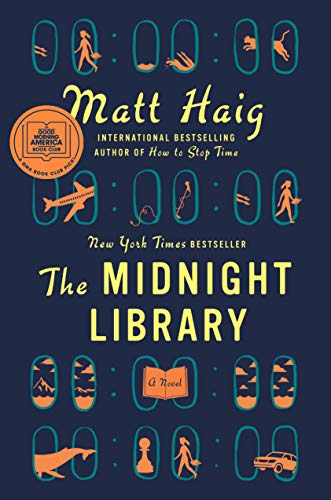
The Midnight Library by Matt Haig
CW: suicidal ideation, suicide attempt (unsuccessful), emotional abuse, drug and alcohol abuse, overdose
This is a pretty new book which was hyped and recommended to me, and I think made the Amazon bestsellers list. I thought it was very disappointing. Interesting concept but poor execution. Boring and predictable. A bit like The Five People You Meet in Heaven, but not good. I’ve made an effort to read books by more diverse authors so I haven’t read many books by white men lately, but this book just screamed that it was written by a white man who was used to being successful without having to strive for more than mediocrity. (I feel like that was harsh, but I also feel like it was true.) I also want to talk about ableism with this book. The premise is that the main character (whose name I’ve already forgotten) ends up in this Midnight Library which is filled with all the alternative lives she could have lived if she had made different choices. The lives were super predictable for one thing, but also Haig fails to recognize that every one of us is one accident away from being disabled for life. We never get to see a life where the main character deals with a physical disability (though she does have depression and anxiety). Haig mentions a few lives (but doesn’t spend any time on them) where the main character broke some ribs in an accident. I just feel like there was a really interesting opportunity to explore disability and different perspectives that was missed. It felt like the novel was trying to make a deep and insightful statement about life and the meaning of life, but it ended up feeling trite and obvious. Also I saw the ending coming from like the beginning.
2/5 book-bound lives
HarperCollins

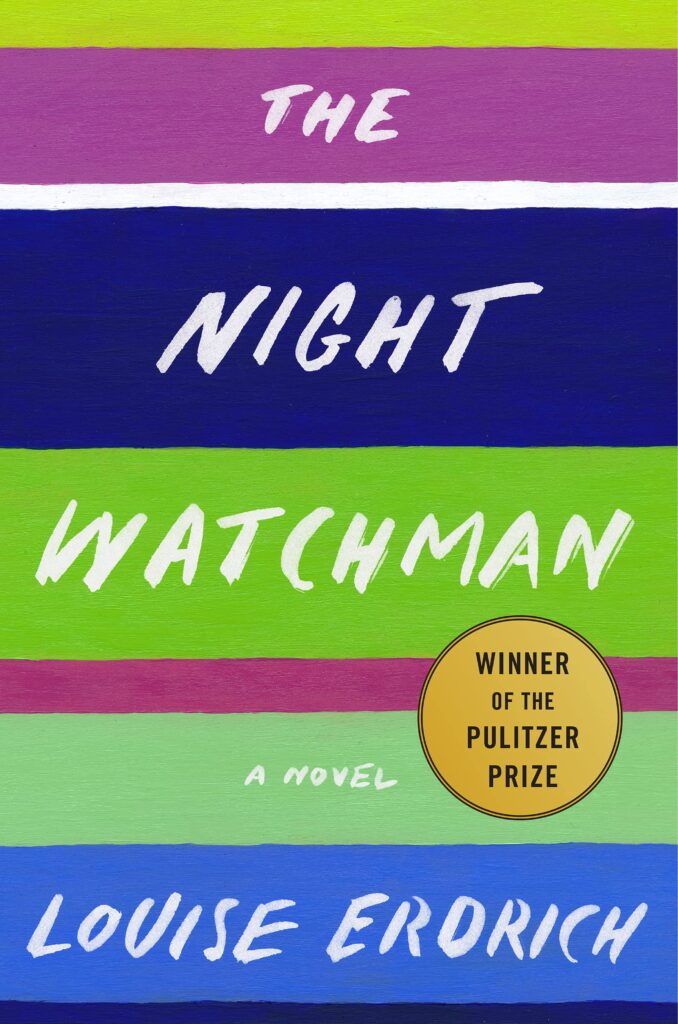
The Night Watchman by Louise Erdrich***
Book Hangover Alert**
CW: Missing and Murdered Indigenous Women, sex trafficking, rape, sexual harassment, racism, domestic violence, alcoholism
This book just won a Pulitzer and it deserved it. So good. I love Louise Erdrich. The story is based on the Indian Termination Policy, a policy in the 1950s where the federal government tried to sever all ties with Native nations and stop recognizing tribes with the goal of assimilating all Natives into mainstream American society. Many tribes fought against this policy, including Erdrich’s tribe, specifically her grandfather. The story is a fictionalized account of the Turtle Mountain band of Chippewa Indians’ fight to retain their tribal status and what remained of their lands. The story also followed some of the women of the tribe and explored the issue of Missing and Murdered Indigenous Women, which is still a problem today. I learned a lot from this book.
4.5/5 sleeping bears
HarperCollins

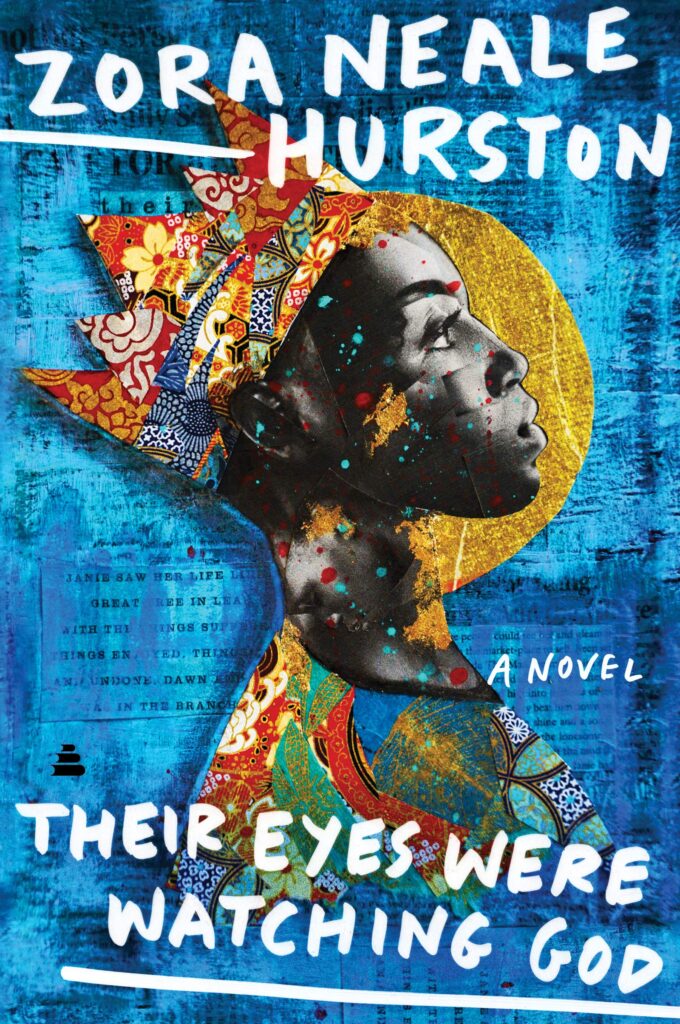
Their Eyes Were Watching God by Zora Neale Hurston***
CW: domestic abuse, racism
For some reason I thought this was going to be a slave narrative and I’m not sure why I thought that. But this book is actually set in the 1930s. Hurston’s writing is really gorgeous. There were some really strong images that Hurston created that I’m still thinking about. I just love how everything was described and the way she nested the narrative inside a story on the porch. The way Janie’s character develops throughout the story was really interesting too, how she comes into her self-actualization and is finally able to use her voice.
3.5/5 hurricanes
Feiwel & Friends

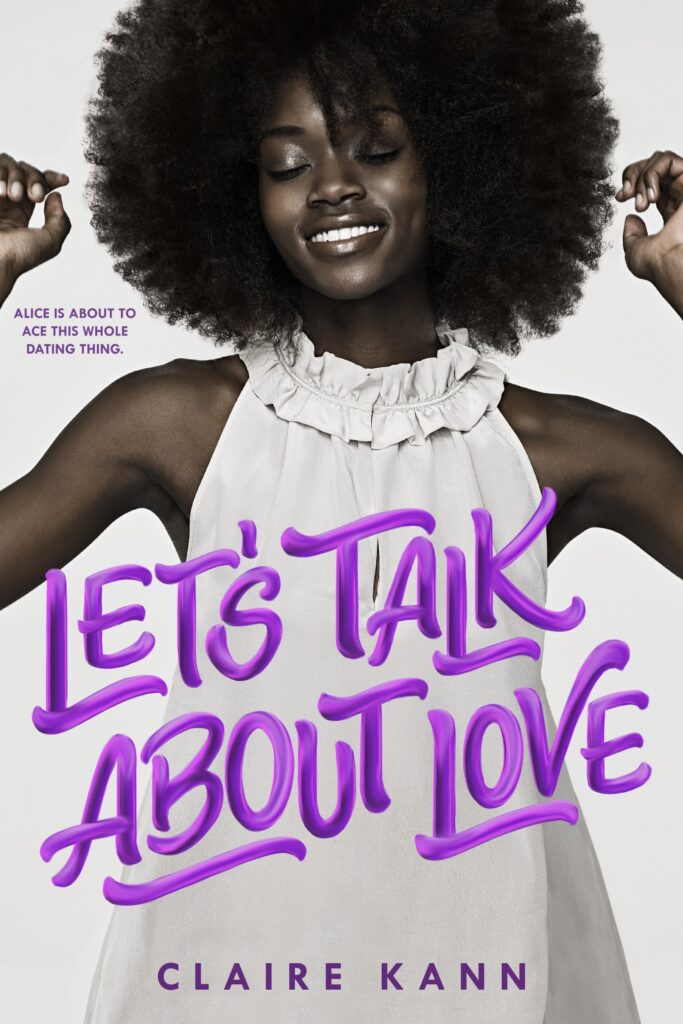
Let’s Talk About Love by Claire Kann***
We love to see that biromantic, asexual representation! I think I’ve now read 3 books with asexual characters in them and I’m ready to see more! I loved the way Alice was secure in her asexuality but also worked through and explored all her feelings. I also really appreciate that Alice wasn’t white so we got to see the intersection of her race and sexuality. This book was super fun and still read like a YA romance novel, even though there was no sex, which proves to me (but maybe not everyone, idk) that sex isn’t necessary in romance novels (or in romance period).
4/5 on the Cuteness Code
Alfred A. Knopf

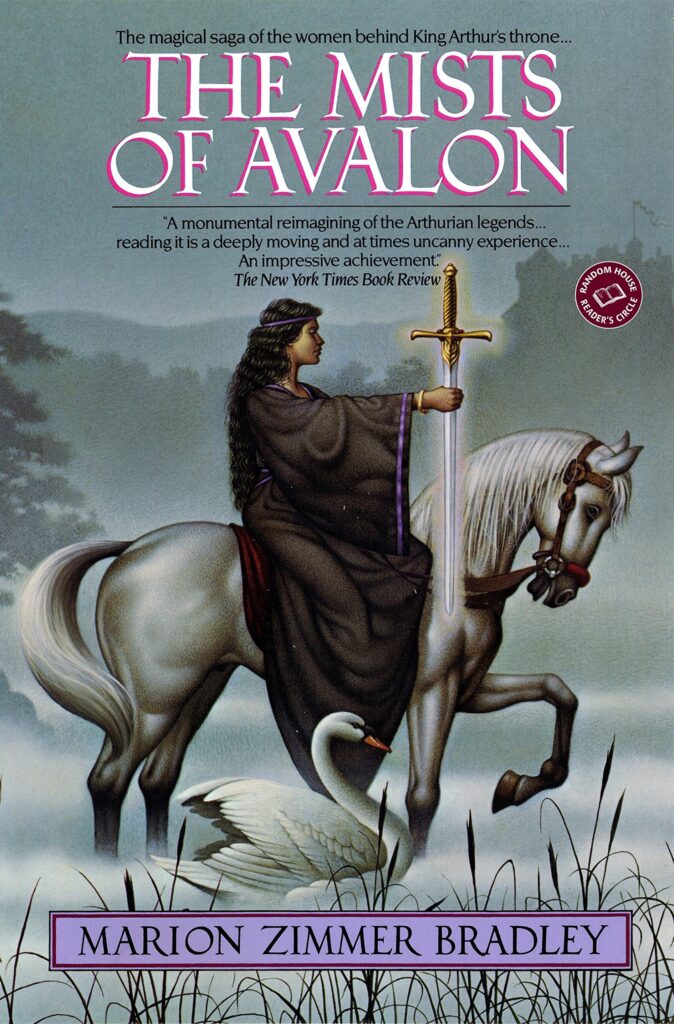
The Mists of Avalon by Marion Zimmer Bradley
CW: incest, religious persecution
Is this 1 book or 4??? I don’t really know. I just know it’s 50 hours in one chunk from Audible. I’ve been listening to it since like January, taking a break between each part and I’ve finally finished it! I really liked hearing the story of Camelot from the perspectives of the women in the story. Bradley manages to give each one a distinct voice and a unique personality where in other versions, Morgaine and Guinevere are pigeonholed into more archetypal roles, and the other female characters are barely mentioned. I do wan’t to mention that Bradley has been accused of pedophilia and sexual abuse which is not in any way okay. We could have a longer conversation about separating the art from the artist and what to do when books we like are written by terrible people, but for now I’ll just say, I believe survivors.
3.5/5 enchanted swords
Bloomsbury Children’s Books

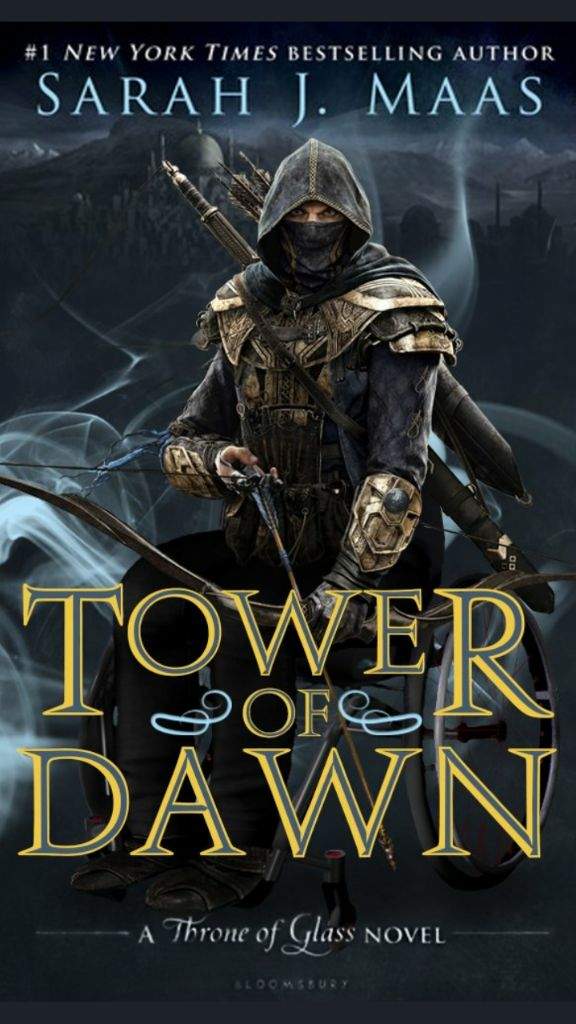
The Tower of Dawn by Sarah J. Maas***
**Book Hangover Alert
Throne of Glass book 6 of 7
CW: ableism, trauma, war, violence against women

First of all let me just gush over this cover, even though this is totally not the cover of the edition that I got from the library! Look at that badass, handsome man in a wheelchair on the cover of a book! The representation! I could write a whole essay about the intersection of ableism and masculinity in this book, but I won’t put you through that. I really liked this book. I was worried because I had heard that Aelin isn’t in this one, and while I missed Aelin and Rowan, I really enjoyed getting to follow Nesryn and Chaol and watch them develop. I’m not trying to spoil things for people who haven’t read books 1 through 5, but the rest of the review will contain light spoilers. I appreciate that Maas doesn’t make her young characters stay with the first person they fall in love with. It’s unusual in books that characters have several different partners throughout a series until they find the right one, but that’s how it is in real life. The most interesting aspect of this book for me was the way Chaol’s healing and injury were handled. I love how Maas confronted ableism and life as a wheelchair user. The focus really wasn’t on “curing” or “fixing” Chaol of his disability, but on healing his internal trauma and coming to terms with the new limitations of his body and different accommodations he will need. I also loved how Chaol’s mindset changed throughout the book as he faces his own internalized ableism.
5/5 ruks
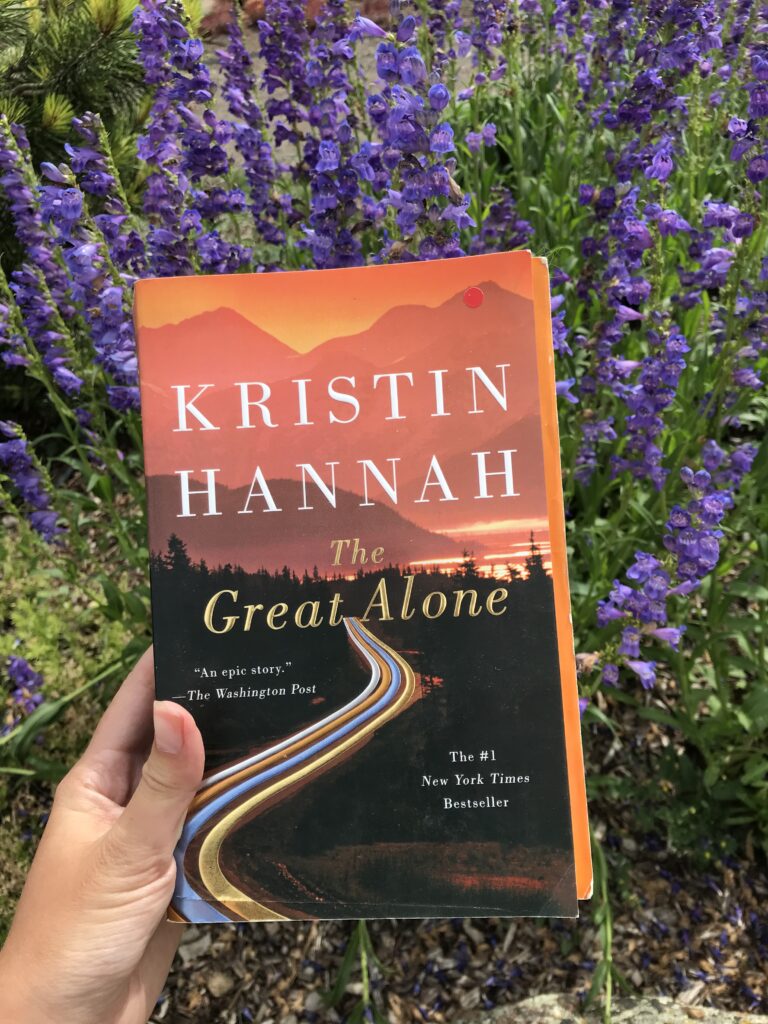
The Great Alone by Kristin Hannah
**Book Hangover Alert
CW: domestic violence, alcohol abuse, PTSD, death of a parent, cancer, trauma
This book was so good! I got it in a mystery grab bag sale from the library and it was a really good find. I love the way Hannah captures Alaska. I haven’t been there but I think she does a great job of giving Alaska the nuance of being a beautiful but also unforgiving place full of complex people. Speaking of complex people, I love how she creates flawed and believable characters. It was also such a page turner! I couldn’t put it down! Not spoiling the ending but it was perfectly bittersweet.
4/5 ways to die in Alaska

**Book Hangover Alert indicates the kind of book that will leave you full up on love. Satisfied, but wishing the book never had to end. You’ll be laying on the floor with no idea what to do with yourself (other friends have called this feeling Good Book Depression or say that certain books necessitate Floor Time). This is the kind of book that gets its teeth in you and won’t let go easily. After the last page you’ll be thinking about this book for a long time. You’ll bother all your friends trying to get them to read it so that you won’t be alone in your Hangover.

***This book is part of my Books for a Social Conscience series! Read The Night Watchman to learn more about Native issues in the early 20th century to present day. Read Their Eyes Were Watching God for a look at early feminism in the Black canon. Read Let’s Talk About Love to get more LGBTQ+ representation, particularly diverging from lesbian or gay romance. Read The Tower of Dawn for a look at disability and its intersections with masculinity.
Reads marked as part of the Books for a Social Conscience series will regularly address topics like race and racism, colonialism and post-colonialism, LGBTQ+ experience, feminism, BIPOC experience, social and political issues, history, identity, class, disability experience, immigration, gun violence, poverty, colorism, environmentalism, and more! The goal of these books is to diversify the stories we’re reading, grow our empathy for those who are different from us, and amplify voices who are often silenced.
July 2021 Books

Books Reread

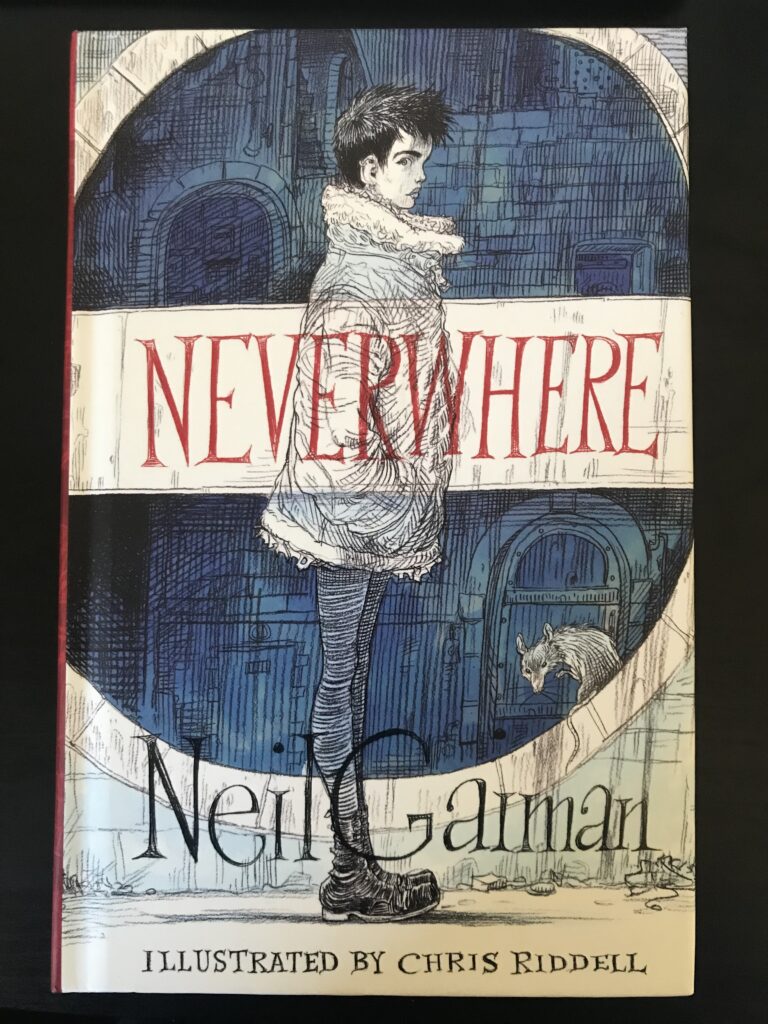
Neverwhere by Neil Gaiman
Book Hangover Alert** (Gaiman’s books always give me a book hangover)
CW: suicidal ideation, violence, stalking, child death
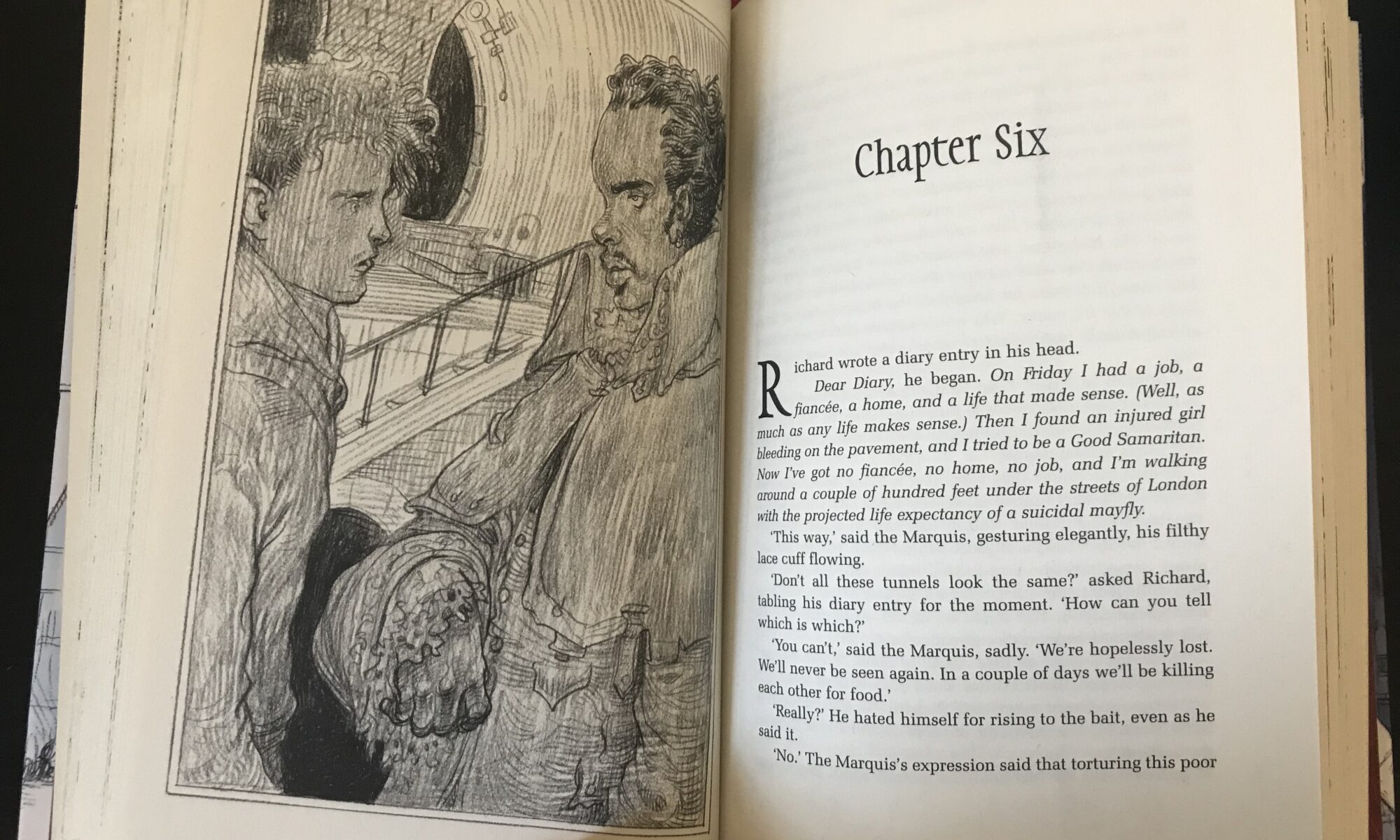
As I’ve mentioned before Neil Gaiman is one of my favorites. I love this book. It makes me miss London a lot. But it’s also nice to read it whenever I move somewhere new because it’s about knowing and loving a place, learning its secrets, and finding belonging. This time I read the version illustrated by Chris Riddell who has to be one of my favorite illustrators. I loved see his interpretations of characters I know so well.
5/5 gap monsters

How the Marquis Got his Coat Back by Neil Gaiman
Companion novella to Neverwhere
I’d read this when it first came out and I hadn’t read Neverwhere recently when that happened. This time I read them back to back, and while I still enjoyed it, I did notice that Dunnikin, the Sewer Folk man, speaks in this story. In Neverwhere he uses a kind of sign language when he talks to Old Bailey and it’s implied that the Sewer Folk don’t speak. Aside from that I like the story. I love the Marquis de Carabas so it’s nice to get to spend more time with him, and I enjoy his brother very much.
3.5/5 fabulous coats

New Books Read

Tom Doherty Associates

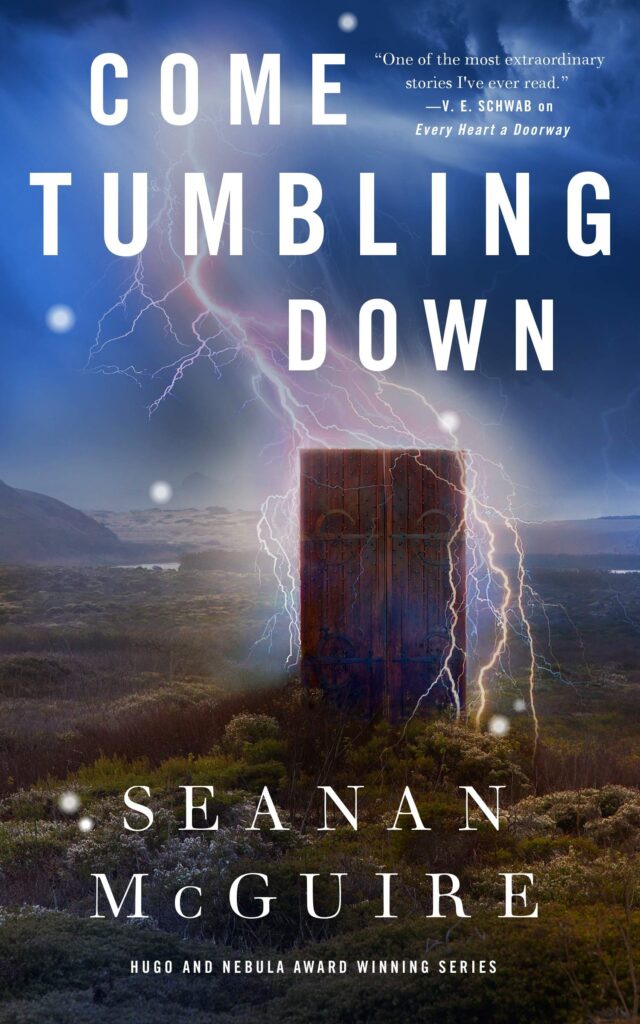
Come Tumbling Down by Seanan McGuire
Wayward Children book 5 of 5
CW: body dysmorphia , child abuse (mentioned), grooming
The last Wayward Children book! I enjoyed all of these, though I still think book 4 was my favorite. It was nice to visit Jack and Jill again who featured in books 1 and 2. There’s just something so magical about a door into another world. I didn’t list the books in this series as Books for a Social Consciousness books, but I would like to applaud the inclusion of trans, gay, and neurodivergent characters.
3.5/5 skeleton horses

Bloomsbury Publishing

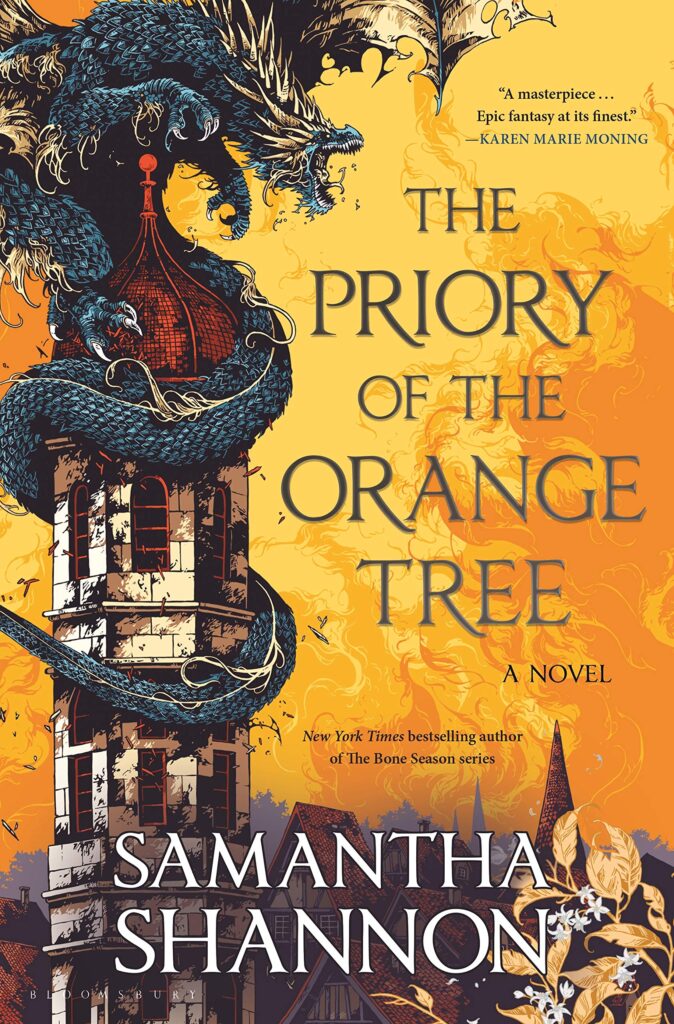
The Priory of the Orange Tree by Samantha Shannon***
CW: Alcoholism, death (including parental and loved ones), depression, grief, infertility, miscarriage, plague, suicide (mentioned), suicidal ideation, war (some based on religion)
Dragons, witches, magic, pirates, it seems like it’s a combination that can’t fail. This book was hyped a lot and I felt bad that I wasn’t crazy about it. The world building was really intricate and we love to see diversity in fantasy. But I thought the characters were kinda boring and I felt like every time Shannon killed one of them off she was trying to make me feel something, which didn’t work because I did not care about them. Tané was my favorite character but it seemed like she had less page time than other characters like Niclays Roos, who I literally could not have cared less about. Also this book was supposedly about dragons and there weren’t nearly enough dragons. And it was too long.
3/5 magical oranges

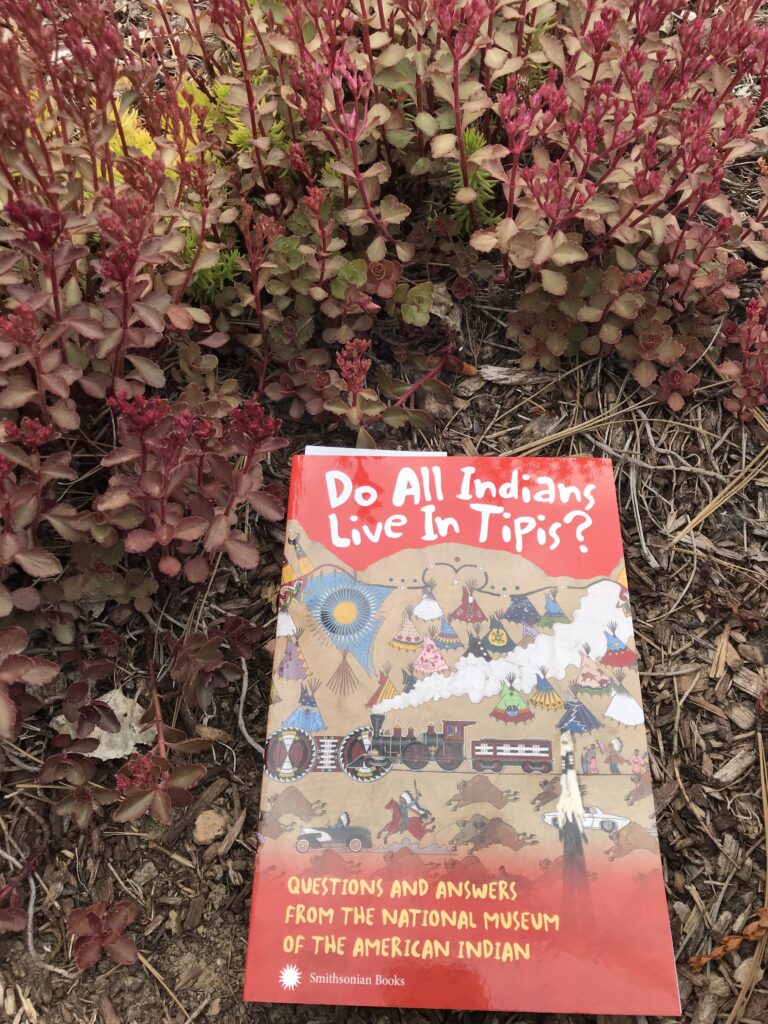
Do All Indians Live in Tipis? by the Smithsonian National Museum of the American Indian***
CW: racism, alcoholism, gambling, genocide
The short answer is “No.” I worked as an intern at NMAI in college and this book was a gift given to me at the end of my internship. It’s a really great primer for those looking to learn more about Native Americans and their culture. It has answers to many of the questions you’ve probably had about Native Americans, but didn’t want to ask a Native person to spend emotional labor educating you. The one downfall of the book is probably the same one the museum has, which is that it tries to cover the native peoples of the entire American continent and Hawaii, which is a tall order. Many of the questions have some variation of “different tribes do different things.”
3.5/5 tipis

Disney Hyperion

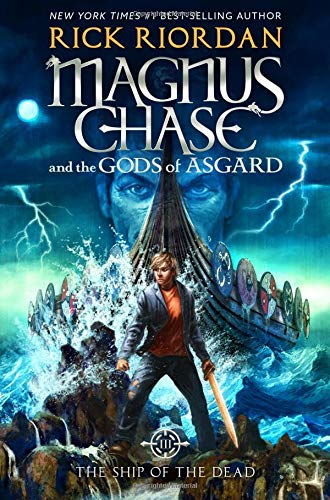
The Ship of the Dead by Rick Riordan***
Book Hangover Alert**
Magnus Chase and the Gods of Asgard book 3 of 3
The thrilling conclusion! I really enjoyed this series. Specifically in this book I was glad we got to learn more about Magnus’s floor 19 hall-mates because although they’ve been in all 3 books, we haven’t had much backstory for them. I say this every time, but I love the representation in this series. Loved the ending, but I won’t say more about that.
4/5 pottery to the death classes

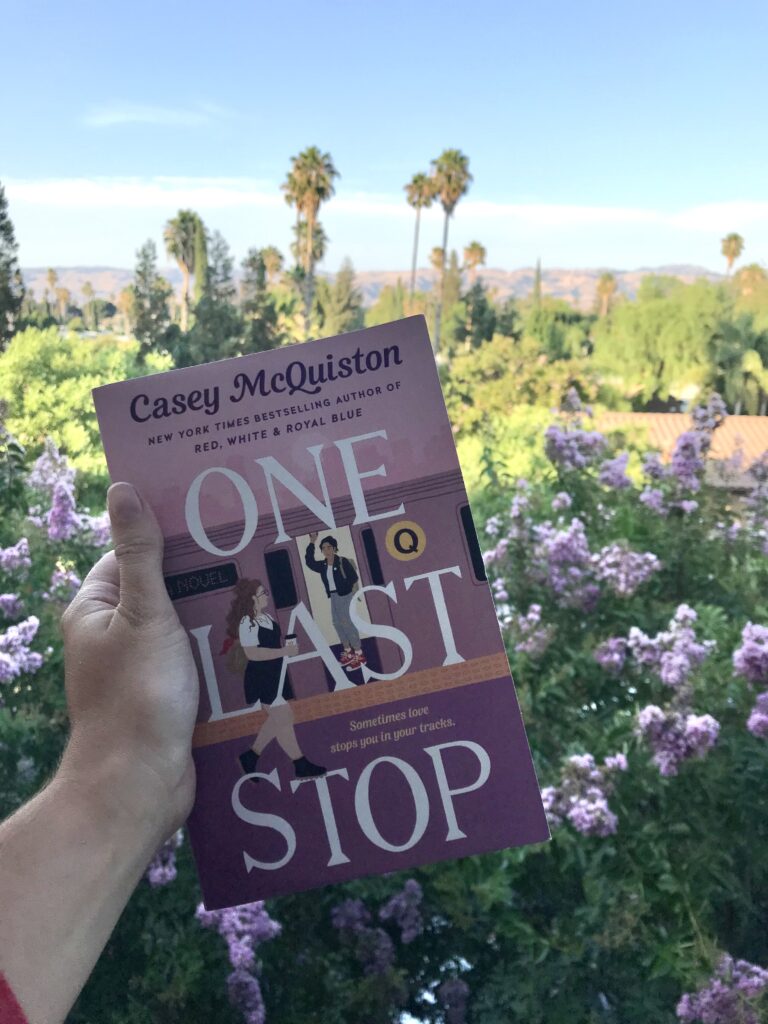
One Last Stop by Casey McQuiston***
Book Hangover Alert**
CW from the author’s website: On-page: Drinking, light drug use (weed), semi-public sex, exploration of depression and anxiety, memory loss and cognitive issues, familial estrangement, familial death, grief, missing persons, implied PTSD. Off-page, past, and alluded to: Homophobic violence and hate speech, police violence, the AIDS crisis, racism, childhood neglect, arson, historic hate crime resulting in loss of life
This might be the best book I’ve read this year. I read McQuiston’s Red, White & Royal Blue in January, and it was fabulous. This one might be better. It has all the swoony LGBTQ+ romance of Red, White & Royal Blue but with mystery, magic, LGBTQ+ history, and a unique New Yorkness. I love McQuiston’s writing style. Their characters are so interesting and well developed. I also loved that every relationship in the book was queer. We love to see it.
7/5 subway trains

**Book Hangover Alert indicates the kind of book that will leave you full up on love. Satisfied, but wishing the book never had to end. You’ll be laying on the floor with no idea what to do with yourself (other friends have called this feeling Good Book Depression or say that certain books necessitate Floor Time). This is the kind of book that gets its teeth in you and won’t let go easily. After the last page you’ll be thinking about this book for a long time. You’ll bother all your friends trying to get them to read it so that you won’t be alone in your Hangover. Every book in this post is a Book Hangover Book.

***This book is part of my Books for a Social Conscience series! Read Do All Indians Live in Tipis? To answer many of your questions about Native Americans. Read The Ship of the Dead to see positive disability and gender fluid representation in fantasy. Read The Priory of the Orange Tree to see more BIPOC and LGBTQ+ representation in fantasy. Read One Last stop for LGBTQ+ representation and history.
Reads marked as part of the Books for a Social Conscience series will regularly address topics like race and racism, colonialism and post-colonialism, LGBTQ+ experience, feminism, BIPOC experience, social and political issues, history, identity, class, disability experience, immigration, gun violence, poverty, colorism, environmentalism, and more! The goal of these books is to diversify the stories we’re reading, grow our empathy for those who are different from us, and amplify voices who are often silenced.
June 2021 Books

New Books Read

The Hammer of Thor by Rick Riordan***
Magnus Chase and the Gods of Asgard book 2 of 3
CW: child abuse, ableism 

I don’t know why Uncle Rick can’t give anyone in the Magnus Chase series a non-traumatic backstory or a happy family life. But anyway I’m glad the characters all found each other. We also love to see that representation: a Deaf character, a gender-fluid character, Muslim characters. I’m not going to do much of a review because I don’t want to give away any spoilers. I’m definitely really enjoying this series and I’m excited to read the last one!
4/5 trickster giants

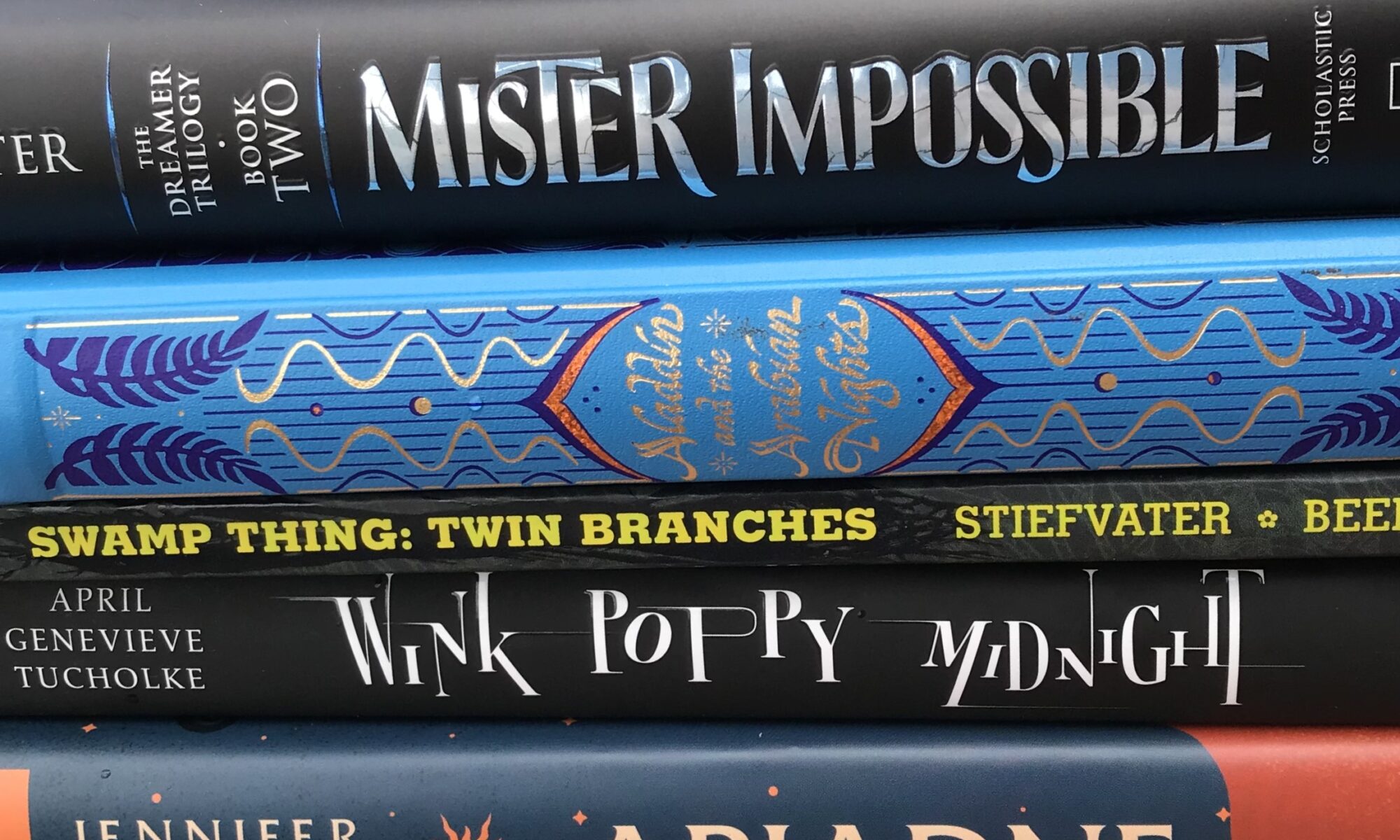
Swamp Thing: Twin Branches by Maggie Stiefvater
This is Maggie Stiefvater’s first graphic novel. It’s fun and I love the art. It is a bit short; I would have happily read a much longer version. I will say though, that one of my favorite things about Stiefvater’s writing is her descriptions. Of course we get the art in the graphic novel, but it is a shame to lose her exceptionally well crafted descriptions in favor of just dialogue.
3/5 definitely dangerous experiments

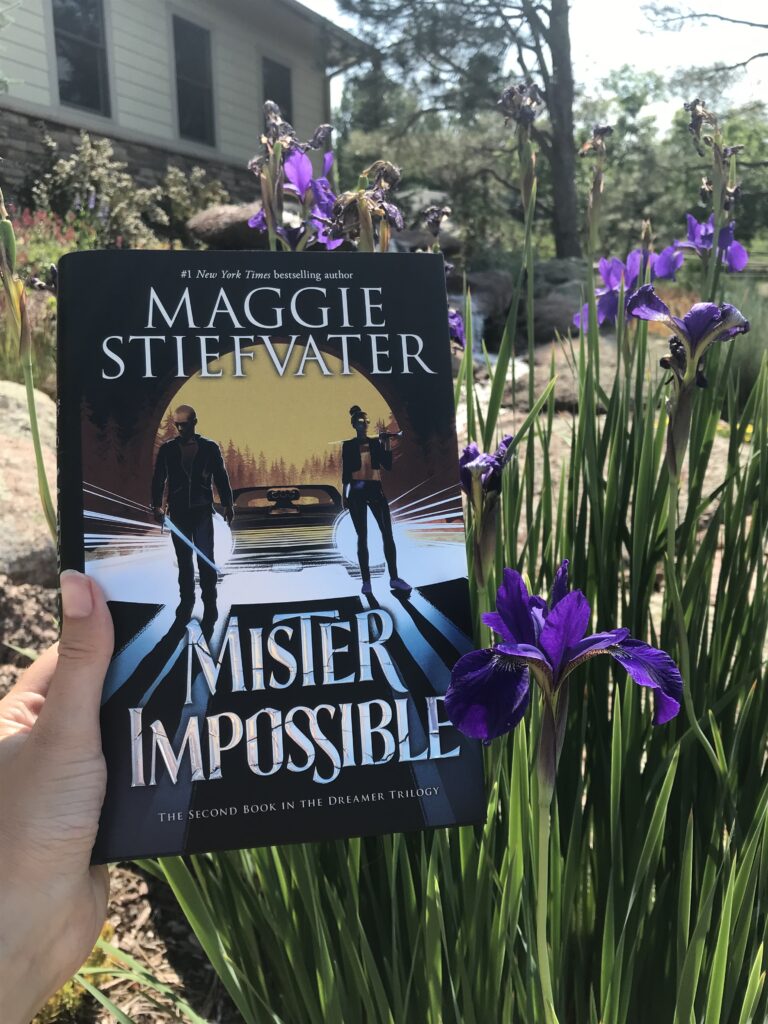
Mister Impossible by Maggie Stiefvater
Book Hangover Alert!**
The Dreamer Trilogy Book 2
CW: suicidal ideation

The Raven Cycle is one of my favorite series and I also adore the first 2 installments of The Dreamer Trilogy (who doesn’t want more Ronan Lynch???). I loved getting to read about art and art history with a magical twist. I also enjoyed the focus on environmental issues and how there were no simple solutions. I still love Stiefvater’s writing style. And her characters. And the magic. And just the whole plot. I don’t want to say too much about it because I don’t want to spoil it, but there is one thing I want to acknowledge for those who have read it.

Read More: SPOILERS AHEAD

I just want to say I am both impressed and a little annoyed that Stiefvater has used this same plot twist in like 3 of her books and I’M STILL SURPRISED BY IT. Book 1 of the Raven Cycle: Ronan: “Oh, yeah I took Chainsaw out of my dreams.” One of the other Raven Cycle books: Ronan: “Oh, yeah I took Matthew out of my dreams.” This book: Ronan: “Oh, yep. Bryde is one of mine too.”


5/5 dreams

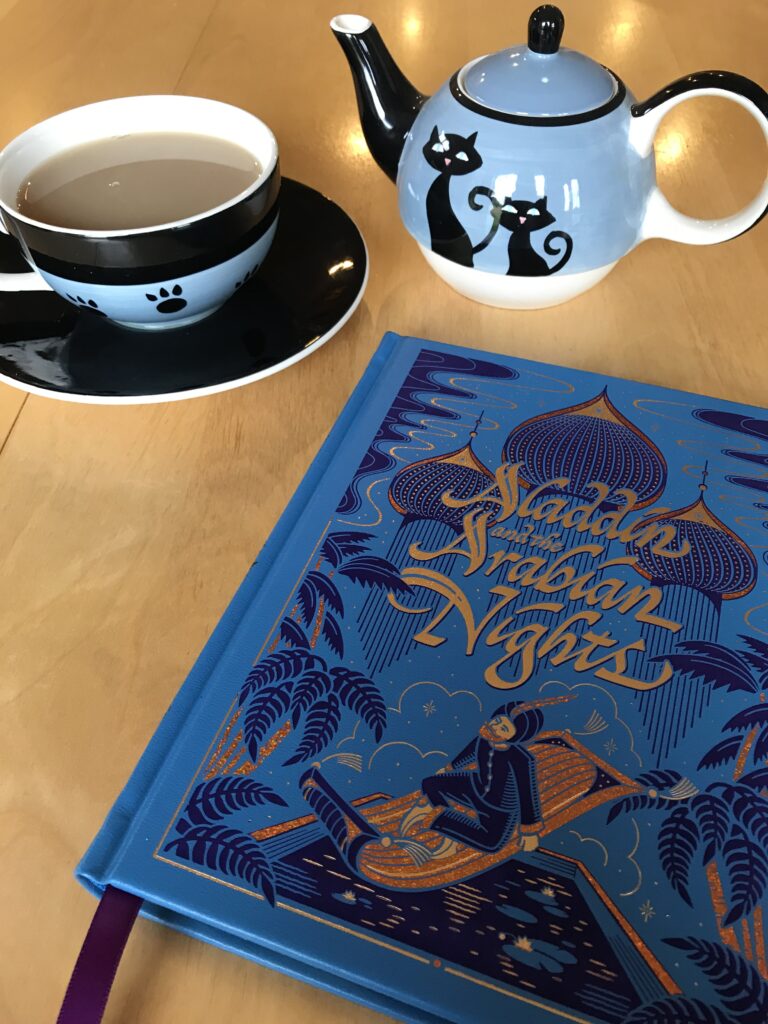
Aladdin and the Arabian Nights
CW: anti-semitism, racist/stereotypical drawings, domestic violence
I really enjoyed getting more familiar with these fairytales. Some of them I had heard before, but many I had not. I liked how many of them were sort of like nesting dolls, feeding into each other, and all were nested in the tale of Sheherazade. I have a really lovely illustrated copy of the tales, but I was frustrated that the illustrations were really stereotypical, depicting most of the middle easterners as ugly, dark-skinned barbarians, with the exception of virtuous women, who were fair-skinned, and virtuous youths (heroes like Aladdin), who were also fair-skinned.
3/5 magic carpets

Penguin

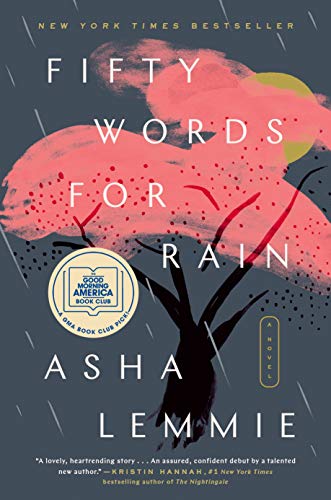
Fifty Words for Rain by Asha Lemmie***
CW: attempted suicide, physical, mental, and sexual abuse, anti-black racism
This was recommended to me by a friend and it left me with a lot to think about. The book is set in Japan in the 1950s and 60s and tells the story of a biracial girl born to a Black American and a Japanese woman from an influential, Imperial Japanese family. It was really interesting to read about racism in Japan, because I feel like most of the books I read that deal with racism are set in the US. I loved seeing Nori develop throughout the story into a self-actualized woman with her own voice. I was also impressed by the complex depiction of Nori and Akira’s sibling relationship. I still don’t know how I felt about the ending. I feel like I wasn’t totally satisfied with Nori’s choice, but I also feel like that is at least in part because I come from America and a very individualistic culture. I think those from collectivist cultures, like many Asian cultures, would empathize more with the ending. But I’d love to hear other people’s perspectives.
3.5/5 music lessons

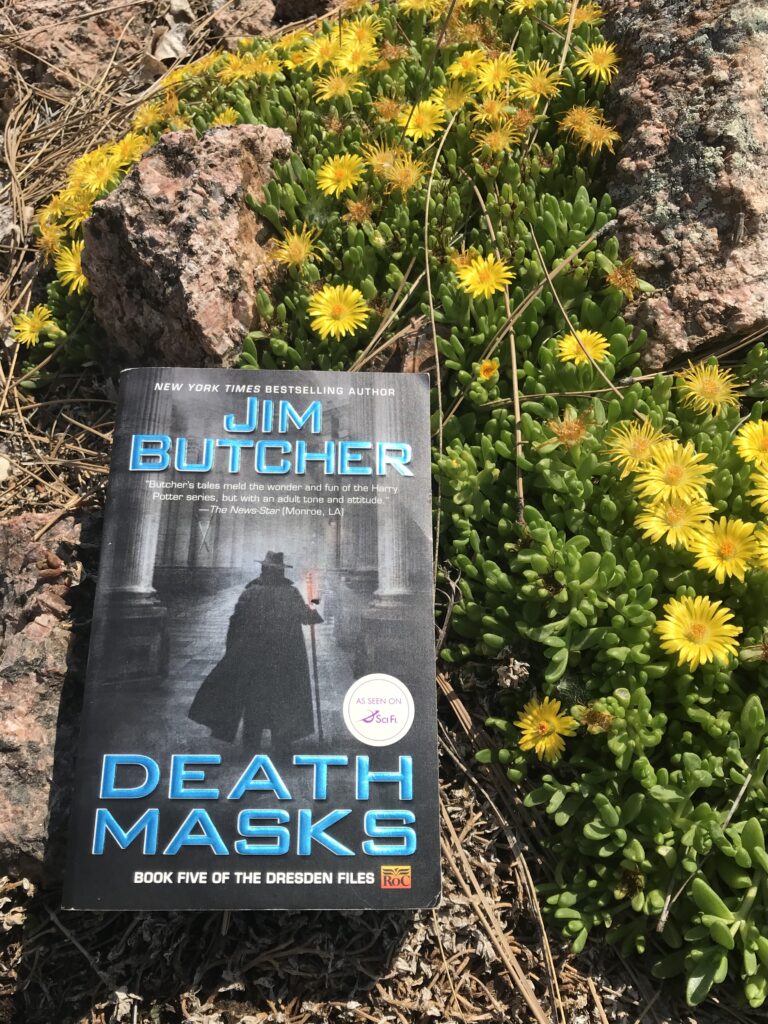
Death Masks by Jim Butcher
The Dresden Files book 5 of 17
Another solid installment. I am quite impressed that Butcher can write them so consistently; there’s none of the wavering in quality that you sometimes see in other series (or not yet, anyway). I will say, these books are definitely written by A Man (TM). I don’t know what straight men’s obsession with nipples is. Personally, I don’t find them particularly sexy, but male writers will never miss an opportunity to point them out. I would also just like to say that no matter how cold it is, there are some fabrics that you will never be able to see nipples through, even if she’s not wearing a bra. Heavy kimono silk is one of them.
3.5/5 religiously magical objects

Disney Press

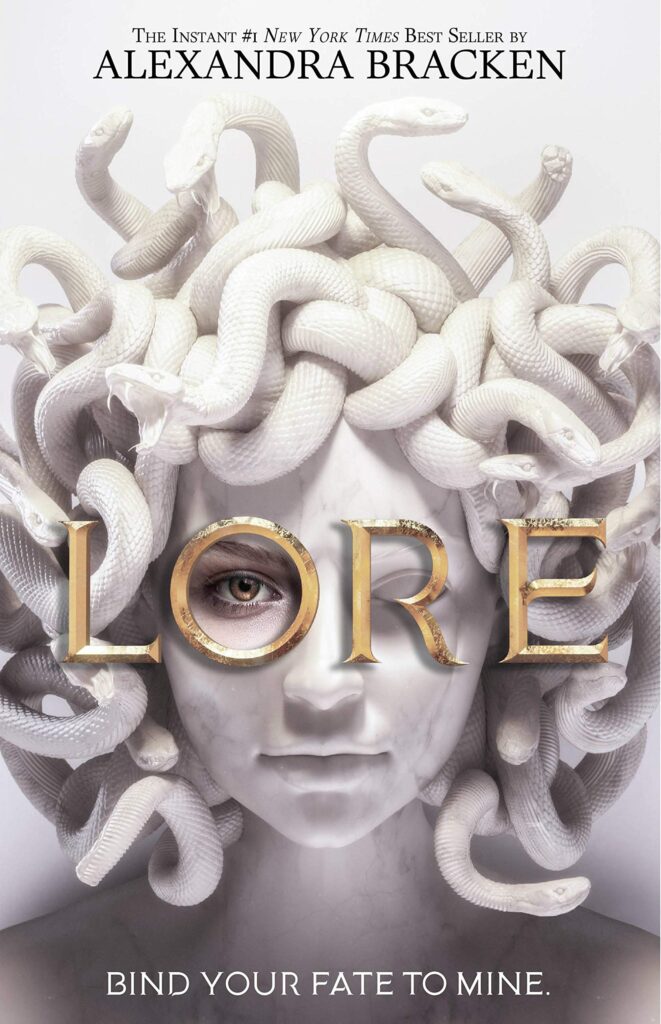
Lore by Alexandra Bracken
Book Hangover Alert**
CW: discussion of child marriage, violence, gore, ableism
This book is like the Purge + Greek gods in New York City. I thoroughly enjoyed it. It was very hard to put down. The banter was top notch. I liked the characters and I really liked the brutal depictions of the Greek gods. Myths tell us that the gods weren’t good people, but I think people still tend to romanticize them a lot.
4/5 bronze masks

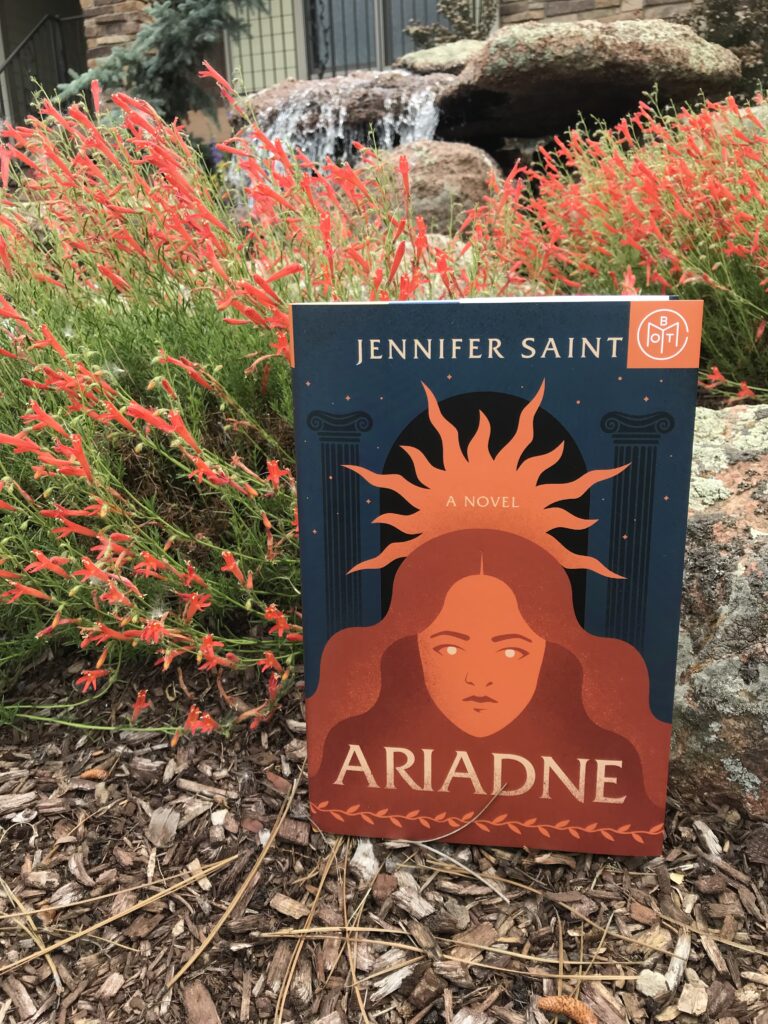
Ariadne by Jennifer Saint
CW: suicide, murder of children
This one is also about Greek mythology because apparently I’m obsessed. Ariadne was my Book of the Month for May. It was good, but also very sad. Though, to be fair, if I had known more about the myth of Ariadne, I might’ve known that going in. Something I really liked about this book was the contrast between the sisters Ariadne and Phaedra. Often in books the female characters aren’t very fleshed out and are very similar to one another. I also feel like when we see feminist characters, we sort of get this idea that there’s only one way to be a feminist, and I really loved the way Ariadne and Phaedra embodied different ways of being a feminist. Though, I also don’t think either of them was able to fully actualize herself, not necessarily through any fault of her own, but more as a result of the repressive and misogynistic society they live in.
3.5/5 cups of wine

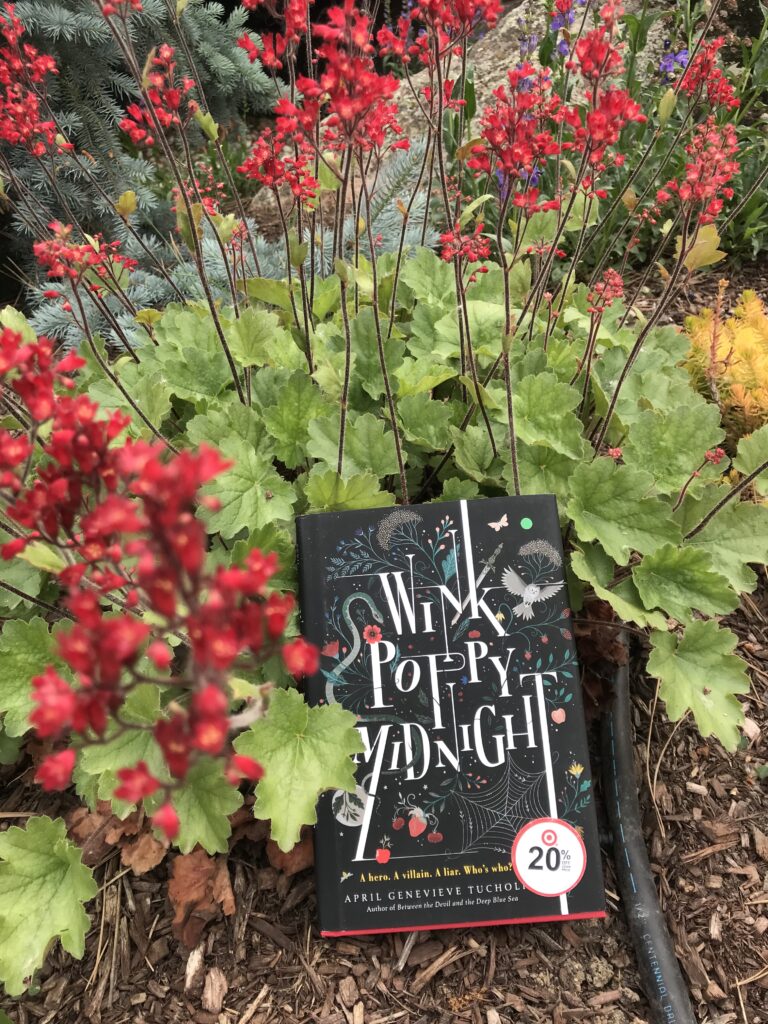
Wink Poppy Midnight by April Genevieve Tucholke
CW: manipulation, abuse, suicidal ideation
This was an odd, charming little book. It’s a little fairytale, a little thriller, a little romance, a little mystery. I really liked the characters and the writing style. It was super easy and quick to read, but the images were really strong and evocative. Its ending was just the right mix of bitter and sweet and satisfying.
3.5/5 Orphans

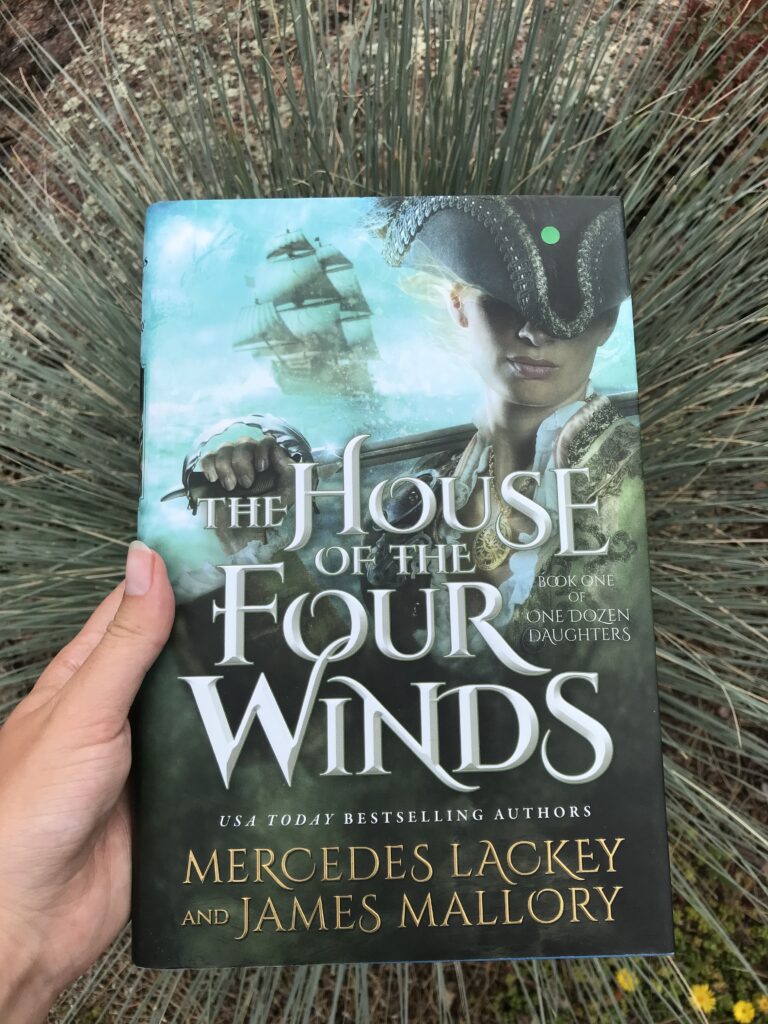
The House of the Four Winds by Mercedes Lackey and James Mallory
One Dozen Daughters Book 1
I enjoyed this one. It was another that I got in a mystery grab bag sale from the library. But I always love a good pirate/sailor tale, especially if the the female lead is pretending to be a man. I appreciated that the story wasn’t easily predictable, but I did wish Clarice got to do a bit more sword fighting. The world building was a little weak, just in that it’s set in our world basically, just with all the countries renamed and with some magic. I guess they just didn’t want to make it a historical fiction. I just noticed that it’s listed as One Dozen Daughters book 1. Can we safely assume that there are or will be 11 more books covering Clarice’s sisters?
3.5/5 pieces of enchanted treasure

Books Read for the Community Cats Podcast Blog

The Feline CEO by Lynn Maria Thompson
Thompson’s slim book is all about how to make yourself the best CEO you can be, using the wisdom of the cat to change up the way you’re thinking. Not a CEO? Much of the advice, including confidence, presenting yourself well, getting plenty of sleep, eating well, viewing the big picture from up high, are useful for everyone’s daily life. The book also comes with online exercises and bonus material to help readers change the way they’re thinking and apply feline wisdom to their lives. I did think the metaphors were a tad strained at times, but overall the advice seemed sound, though I am not a CEO, so I can’t speak to that specifically.
2.5/5 cats

**Book Hangover Alert indicates the kind of book that will leave you full up on love. Satisfied, but wishing the book never had to end. You’ll be laying on the floor with no idea what to do with yourself (other friends have called this feeling Good Book Depression or say that certain books necessitate Floor Time). This is the kind of book that gets its teeth in you and won’t let go easily. After the last page you’ll be thinking about this book for a long time. You’ll bother all your friends trying to get them to read it so that you won’t be alone in your Hangover.

***This book is part of my Books for a Social Conscience series! Read The Hammer of Thor to get some great representation of different kinds of people in fantasy. Read Fifty Words for Rain to learn about racism in Japan.
Reads marked as part of the Books for a Social Conscience series will regularly address topics like race and racism, colonialism and post-colonialism, LGBTQ+ experience, feminism, BIPOC experience, social and political issues, history, identity, class, disability experience, immigration, gun violence, poverty, colorism, environmentalism, and more! The goal of these books is to diversify the stories we’re reading, grow our empathy for those who are different from us, and amplify voices who are often silenced.
May 2021 Books

It’s Asian American and Pacific Islander Heritage Month, but it’s kind of a coincidence that I read several books from that community. We celebrate anyway!

New Books Read

HarperCollins India

Gold Diggers by Sanjena Sathian***
CW: suicide, substance abuse
I’ve had this book on hold at the library for weeks and I’m so glad I wasn’t disappointed. The book is a treat for those who are fascinated by stories of alchemy. What I particularly loved was that it was rooted in Indian mythology of alchemy and not in the Western canon. I also loved how the novel challenged perceptions about the history of Indian immigrants to the US (namely that it’s a recent phenomenon). I did think Neil, the protagonist, was a bit annoying, mostly just in how selfish he was, but I realize characters need to have flaws and he mostly overcomes it by the end. I’m still thinking about this scene near the end of the book that I won’t spoil, but it’s so euphoric and beautiful and the images were so strong.
3.5/5 gold bangles

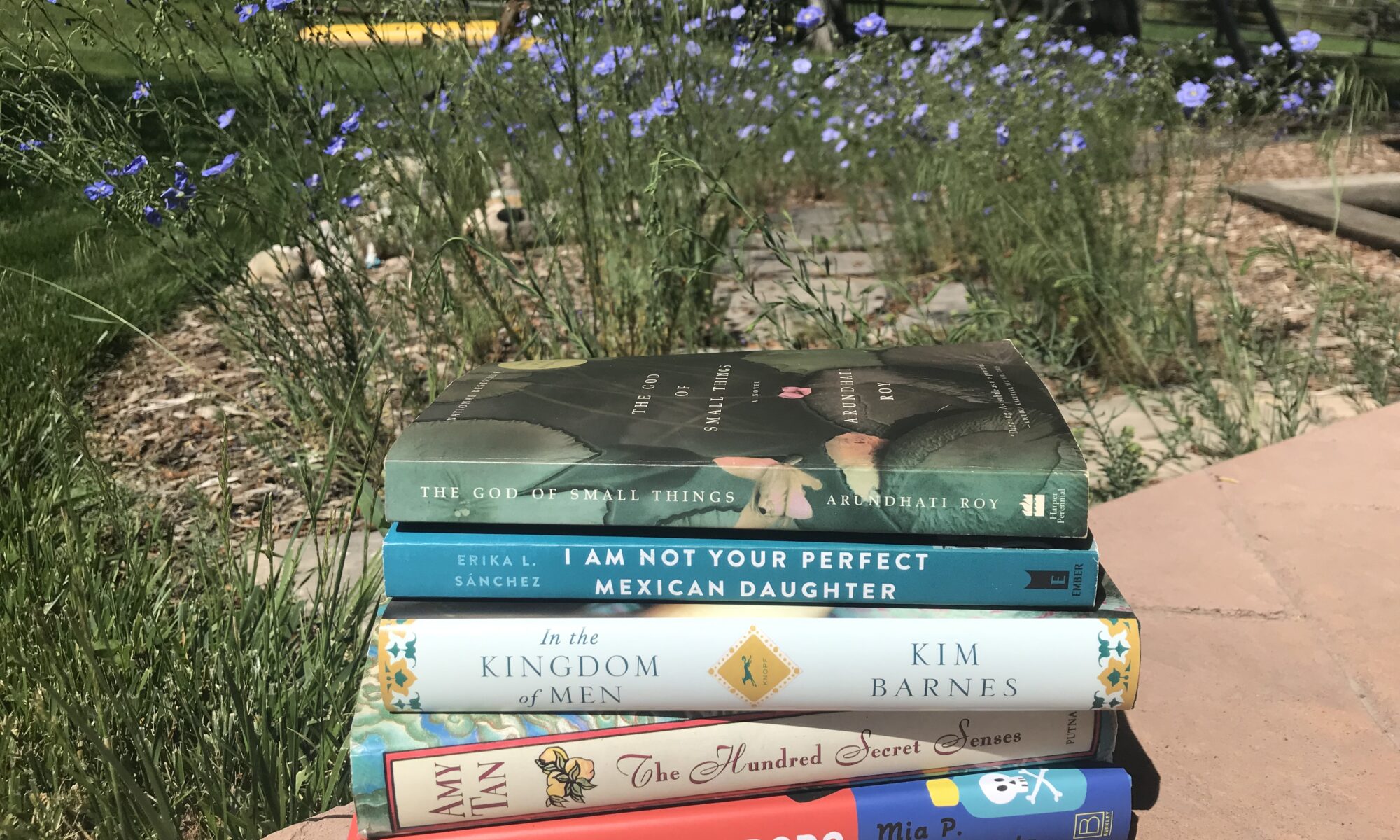
I Am Not Your Perfect Mexican Daughter by Erika L. Sánchez***
CW: suicide attempt (not successful), suicidal ideation, death of a family member, anorexia, child abuse, sexual assault
I knew this book was going to be sad and it was. The premise is sad: Julia’s sister is killed in a car accident and she is left without her sister and with the weight of her parents’ expectations that she be a ‘perfect Mexican daughter’ like her sister. This is a coming-of-age story of a teenaged writer trying to find her voice and her place among her family and in the US as a child of undocumented immigrants. It reminded me a bit of The Poet X by Elizabeth Acevedo (see February 2021 book blog), though I don’t think I liked it quite as much. As a character Julia is pretty angsty and abrasive, though she definitely has reason to be. Overall though, it was a hopeful and lovely book that I think a lot of teenagers probably need.
3.5/5 quinceañera dresses

Arsenic and Adobo by Mia P. Manansala ***
First book in a planned series
CW: indications of evidence planting and police intimidation, drug use, fatphobia, racism, domestic violence (this is the warning Manansala puts in the author’s note at the beginning of the book, specifically for Filipino readers)
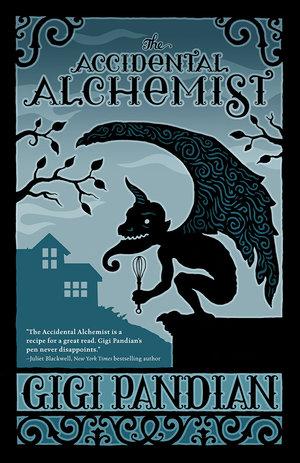
This was my Book of the Month for April and it was so fun. It’s a cozy mystery and its good pacing keeps the pages turning and your mouth watering. The protagonist, Lila helps run her aunt’s Filipino restaurant, but then when Lila’s ex-boyfriend ends up dead from poisoning at her restaurant, she has to figure out who is framing her. I’m usually not much of a mystery reader, and the last mystery I read (see The Accidental Alchemist in the November 2020 blog) was not good. I liked that everything I complained about in that book was handled much better in this book: I cared about the characters and their backstories, I cared about solving the mystery, and the answer to the mystery was satisfying. I also liked that I wasn’t immediately able to guess the killer, but was able to put together the clues and arrive at the answer just a hair ahead of Lila. I also appreciated the nuance of the characters from Asian diasporas. I think it’s easy as a white person to lump together immigrants from all parts of Asia, so I liked the way Manansala explored the differences and similarities in experience of her Filipino, Korean, Indian, and Japanese characters. Left me hungry for more (more novels, and also more Filipino food).
4/5 plates of adobo

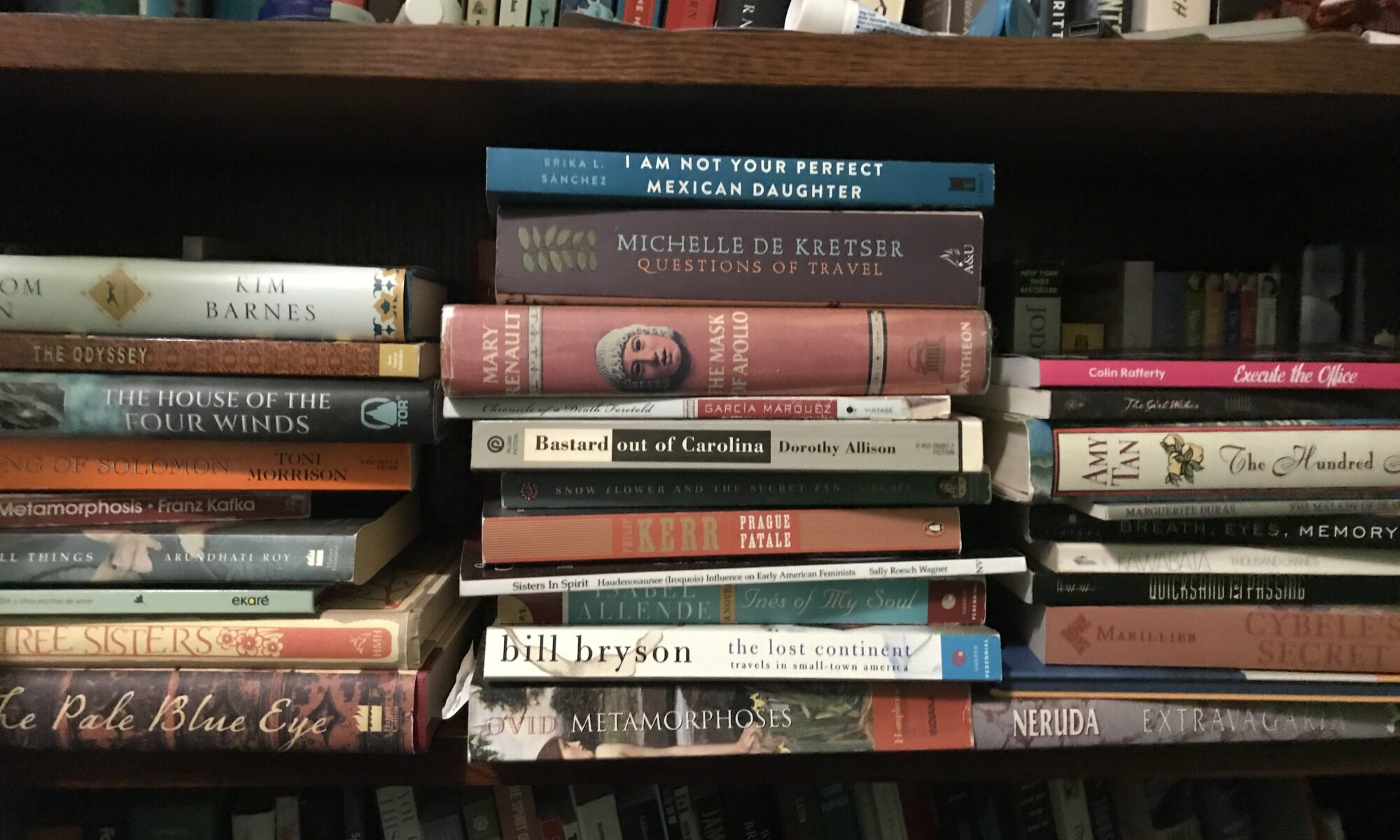
In the Kingdom of Men by Kim Barnes
Based on the title of this book, I did not have particularly high hopes that I would like it. I was pleasantly surprised! I want to say this book reminded me of the Awakening by Kate Chopin, but in the best possible way, as I didn’t actually like the Awakening that much. It follows a young couple in the 1960s that moves to Saudi Arabia to work at the Aramco oil drilling site. I really liked Barnes’s writing style and how she explored femininity and feminism through the lenses of two different patriarchal societies. I loved how the protagonist Gin evolves through the story to become a strong, independent, and self-actualized woman. I also liked that the ending wasn’t super predictable. I won’t spoil it, but it wasn’t the way I would have expected the story to end.
3.5/5 Arabian horses

The Hundred Secret Senses by Amy Tan***
CW: institutionalization and torture of disabled (and perceived disabled) people, child abuse, war and death
Weaving forward and backward through time, and through past lives, Tan creates a nuanced and rich novel. I loved the way the past lives of the characters paralleled their current lives. I didn’t think Olivia, the protagonist, was particularly likable at the beginning but she is an extremely human and believable character, which I commend Tan for, and she is more likable by the end. I loved the stories Kwan told and the descriptions of China. I also really appreciated Tan’s portrayal of sisterhood and family. Kwan and Olivia’s relationship was really nuanced and I loved the way it developed over the course of the novel.
3.5/5 snowy owls

The God of Small Things by Arundhati Roy***
CW: sexual assault, domestic violence, alcoholism, police brutality, incest
Roy’s writing is gorgeous. The tempo, the cadence, the sound, the way she uses metaphor and repetition. I also loved the way she built tension and a deep sense of dread throughout the novel by revealing the picture bit by bit and not in chronological order. But I will say, I didn’t love the plot or the characters. I feel like a lot of adult and literary fiction is just about miserable people doing miserable things and that was definitely the case here. My sister told me I wasn’t really going to like this one and she was right, but I’ll still say that the writing style is what kept me reading to the end.
3/5 spoiled puffs

Books read for the Community Cats Podcast Blog

Animalkind by Ingrid Newkirk and Gene Stone
CW: graphic descriptions of violence against animals
Part 1 of Animalkind reads a bit like a very long list of fun facts about animals. If you’re already an animal lover and enjoy watching nature documentaries, or you’ve studied psychology, then much of the information won’t be particularly new or surprising. In part 2 of the book, the authors make the case for not using animals in medical testing, for clothing, for food, or as entertainment (as in circuses), emphasizing the cruelties of these industries. They include a rather exhaustive list of alternatives to using animals in these industries. Though I don’t doubt the cruelties chronicled in the book, I did feel that the way they chose to share these abuses sensationalized the violence, much like our 24 hour news cycle, which just desensitizes us to violence. The arguments for not using animals also seemed not to really consider the full complexity of many issues. In the discussion of clothing, synthetic fabrics are heralded as an alternative to animal-based products, but we shouldn’t pretend that these are without their problems. Both the production and even just the washing of polyester and acrylic fabrics create microplastics that usually end up in the ocean, ultimately still hurting animals, just fish instead of sheep. It has also been well documented that laborers in the textile industry are often exploited. In the discussion of food there was no acknowledgement that veganism is often inaccessible for people who live in food deserts or low-income areas. It also tends to be gentrified and elitist. Though the authors suggested many brands of vegan chocolate, no mention was made of the fact that most cocoa is harvested by exploited workers who are often children

While I absolutely agree with everything the authors are arguing, I found the book not nearly as compelling as Our Symphony With Animals, in which Dr. Ahktar (see September 2020 book blog) uses personal stories illustrating the human-animal bond to make a similar argument. I do like that Animalkind gives the reader a guide for what they can do personally to help animals in these industries (i.e. weaponizing your power as a consumer and a voter, advocacy, and more).
2.5/5 whale songs

Related: Read Staging Tourism by Jane C. Desmond for a nuanced discussion of why humans have always been fascinated by animal bodies and the exploitation that is animal tourism.

But First, Rumi by Chitra Ramaswami
CW: descriptions of cruelty toward animals
On the Community Cats Podcast, host Stacy always asks podcast guests how they first became passionate about cats. But First, Rumi is Ramaswami’s story. A quick read, the memoir documents how she met Rumi, a street cat who lived near her family’s home in Oman. Ramaswami began feeding the stray and he gradually wormed his way into her heart, as many of us will understand. Their story explores the deep human-animal bond and how saving an animal can be like saving yourself. Though she admits she was not much of a cat-person prior to meeting Rumi, Ramaswami fell in love with the Omani Mau and then became aware of the many problems facing animal welfare in Oman. She attempts to reconcile the kindness of the people with the cruelty she observes when it comes to the street cats. At the end of the book she also suggests ways to help the community cats in Oman and what can be done to promote kindness and compassion toward all animals.
3/5 Omani Maus

The Little Book of Boards by Erik Hanberg
Though I’m not on the board of any kind of nonprofit, I felt Hanberg’s book was a great primer for anyone who might want to be. He starts off with what a board does and what your duties are as a board member, which sounds simple but is very useful for those who have never served on or worked with the board of a nonprofit. The second part of the book is devoted to the duties of board leaders (committee chairs, board officers, and the board president). The book finishes off with an extensive appendix of resources including how to update bylaws, how to create an effective committee structure, how to recruit board members, and more. Hanberg’s book is slim and full of practical advice. I would say it’s definitely a good book to pick up if you’re thinking about joining the board of a small nonprofit. Hanberg also has other books for small nonprofits on social media (The Little Book of Likes) and fundraising (The Little Book of Gold).
3/5 nonprofits

Human-Animal Interaction: A Social Work Guide by Janet Hoy-Gerlach and Scott Wehman***
This is a good read for social workers, shelter workers, and veterinarians. The authors discuss how human-animal interaction can be integrated into social work practices to better meet the client where they are. They point to domestic violence situations where survivors might be unwilling to go to a shelter because of a pet, clients with suicidal thoughts who haven’t committed suicide because of the pet they care for, those who have lost a pet and are suffering from disenfranchised grief, and older clients who worry what will happen to their pet if they go to the hospital or die. Though pet owners know how important animal companions are in their lives, this is something that has not been fully explored within the realm of social work as far as the benefits as well as stressors that can come from pets, and the social supports that should be in place to help people and their pets thrive. The book is a great place for social workers who want to incorporate animal-based therapy and support for clients, as well as for shelter workers and veterinarians who want to take a more holistic approach to the care of both pets and clients.
3/5 animal companions

***This book is part of my Books for a Social Conscience series! Read Gold Diggers to learn more about the Indian American experience as well as Indian immigration history and Indian mythology. Read I Am Not Your Perfect Mexican Daughter to learn about the experience of undocumented immigrants and the difficulties of mental illness. Read Arsenic and Adobo for some diversity in the mystery genre, as well learning about the diversity of the Asian diaspora. Read The Hundred Secret Senses to learn more about colonialism in China as well as the Chinese-American immigrant experience. Read The God of Small Things to read a classic of Indian literature and to learn more about the caste system and the affects of colonialism in India. Read Human-Animal Interaction to grow your empathy for humans and animals and to learn how we can best support that symbiotic relationship with social change.
Reads marked as part of the Books for a Social Conscience series will regularly address topics like race and racism, colonialism and post-colonialism, LGBTQ+ experience, feminism, BIPOC experience, social and political issues, history, identity, class, disability experience, immigration, gun violence, poverty, colorism, environmentalism, and more! The goal of these books is to diversify the stories we’re reading, grow our empathy for those who are different from us, and amplify voices who are often silenced.
April 2021 Books

Books Reread

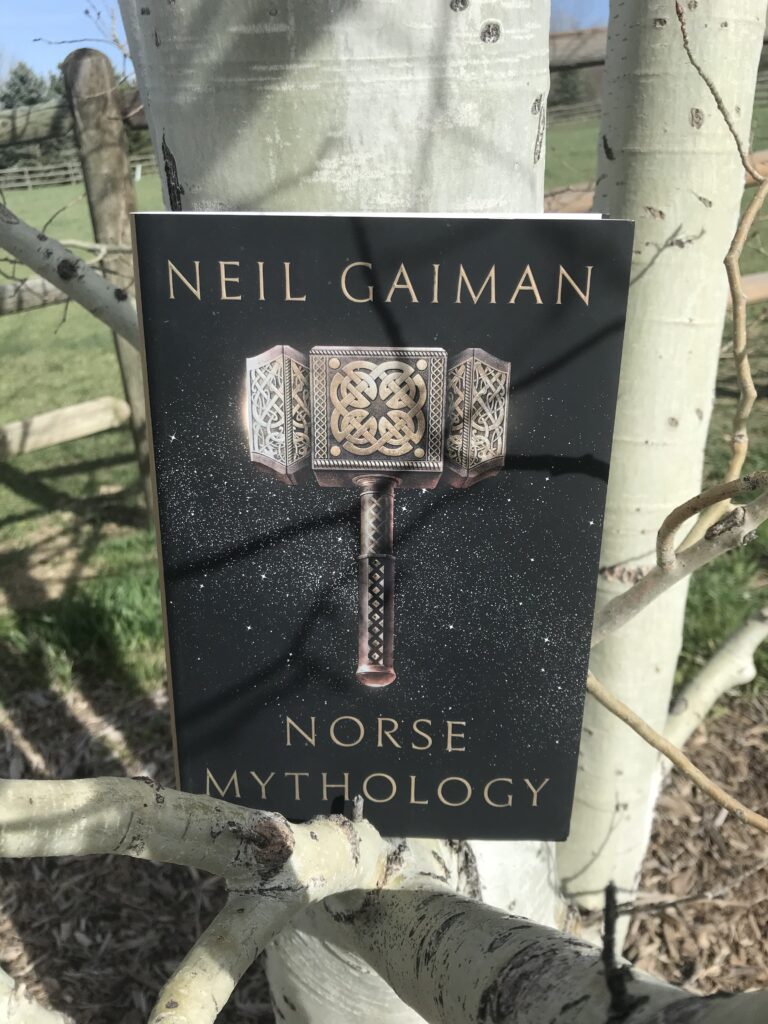
Norse Mythology by Neil Gaiman
Neil Gaiman is my favorite author. And it’s been ages since he released a novel. I decided to reread some of his books. I’d only read this one once so it moved to the top of the list. I love mythology of all kinds, but I’m not as familiar with Norse mythology as I am with other pantheons, so it was nice to read again, especially since I’ve recently been watching all the Marvel movies. I do love that the original myths are significantly more weird than the versions in the MCU.
4/5 monstrous children of Loki

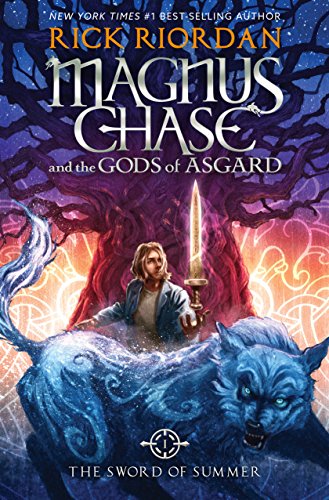
The Sword of Summer by Rick Riordan***
Magnus Chase and the Gods of Asgard book 1 of 3
CW: ableism, child abuse, anti-Muslim sentiment
I wanted to read the rest of this series but I realized I didn’t remember this first book well enough so I read it again. I enjoyed it perhaps even more than I did the first time. It was especially nice because I had just reread Norse Mythology so I was all brushed up on my myths. I love Rick Riordan. I love how inclusive his books are. I think this is the first book I’ve read with a Deaf character who uses ASL. I’d love to talk to someone from that community to see if they thought he did a good job, but to me it seemed like he did his research.
3.5/5 angry World Tree squirrels

New Books Read

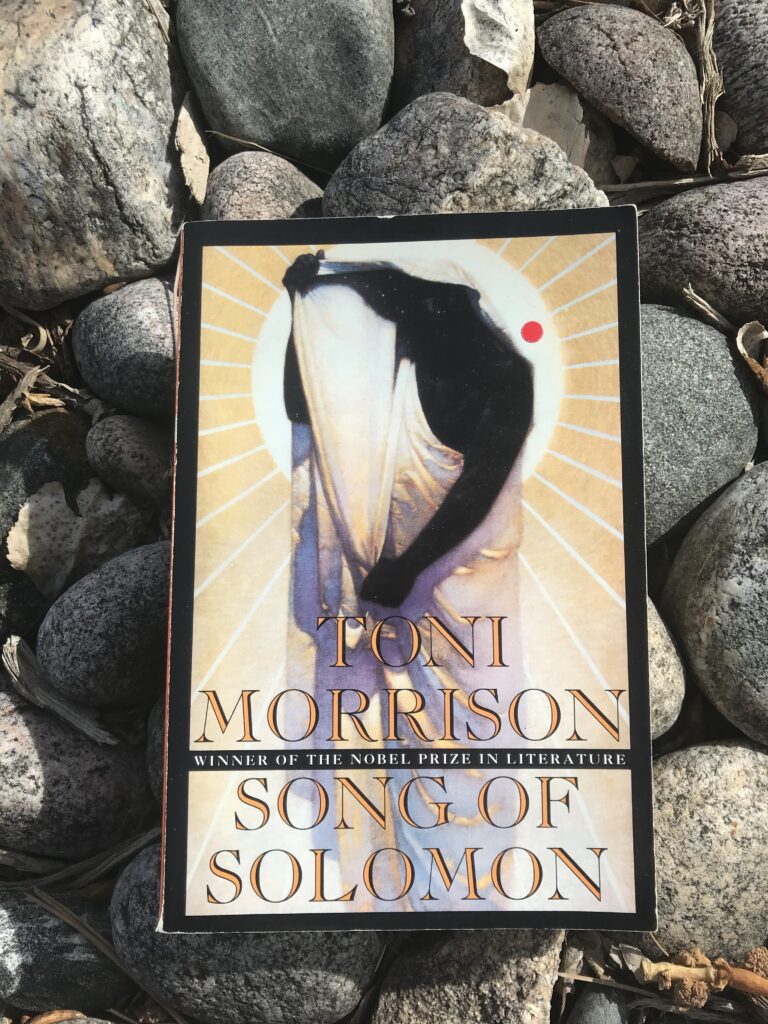
Song of Solomon by Toni Morrison***
CW: anti-Black racism, alcoholism, colorism, violence, sexism, incest, ableism
I was so pleased when I got this book in a mystery book grab bag sale from my local library. I’ve been meaning to read more Toni Morrison. Morrison is definitely a national and literary treasure. I’m just awed by her literary craft. But that’s not to say I didn’t have to check Sparknotes to learn about all the biblical references I missed. I did enjoy reading this book, but I also wish I had a book club or an English class to discuss it with. It’s one of those books that I don’t feel like I can get as much out of it reading it alone. Morrison does use ableism as a literary device, which is pretty common, especially in older works, but I wish it wasn’t. One of Milkman’s legs is shorter than the other, indicating he’s morally stunted. By the end of the book, when he’s grown up and matured and overall become a better person, the disability goes away. These tropes are harmful to the disabled community.
3.5/5 pairs of gossamer wings

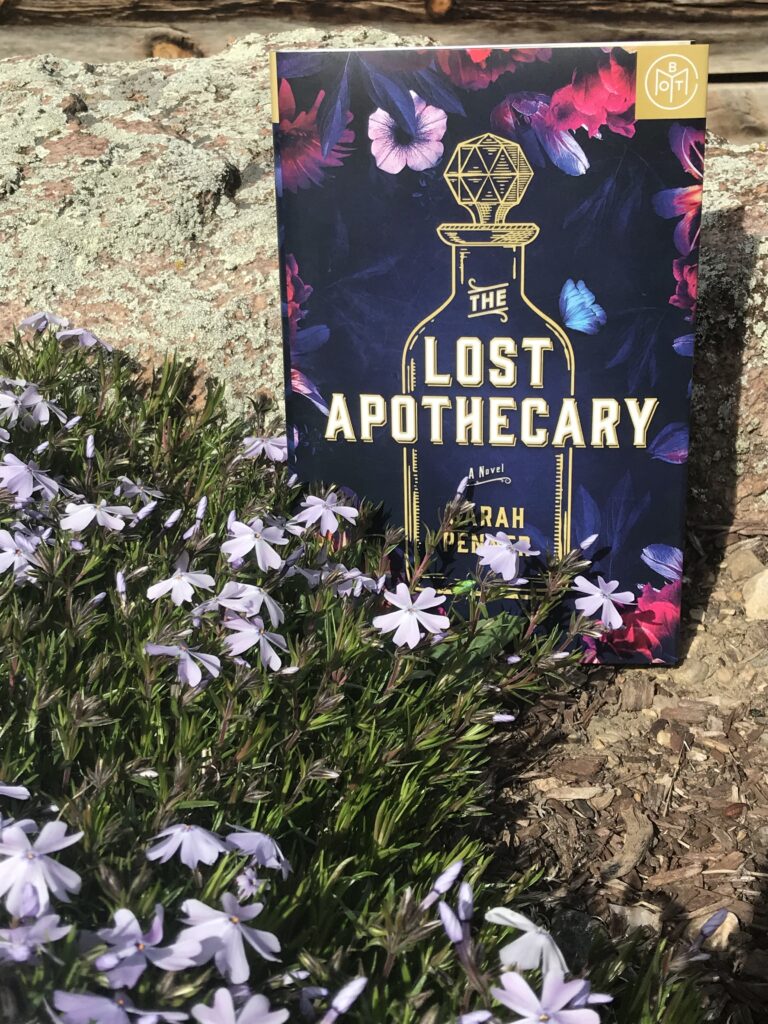
The Lost Apothecary by Sarah Penner
Book Hangover Alert**
This was my March Book of the Month book. Fabulous. Loved it. Couldn’t put it down. I loved that it was full of interesting and unique female characters. I loved the way it built tension so seamlessly throughout. I loved the way it weaved forward and back through time to tie the fates of several women together. The only thing I didn’t love was the way Nella’s disability was characterized. Nella has some sort of degenerative disease and she believes it’s because she sells poisons and many people have died as a result. This plays into the classic stereotypes in literature of people who are morally corrupt having a physical disability as a mark from God that they are not good people (see what we discussed above with Song of Solomon). Which is obviously harmful to the disabled community. Now, Nella does mention that her mother died of a similar disease, which implies that maybe it’s more of a genetic disease, as Nella’s mother only sold cures, no poisons. And maybe it would make sense for Nella to believe that her disease is a punishment for her sins, since she lives in 18th century London, where those views would be prevalent. But since the disabled community is still discriminated against today, it’s tricky to play into that stereotype without it seeming harmful.
4.5/5 bottles of poison

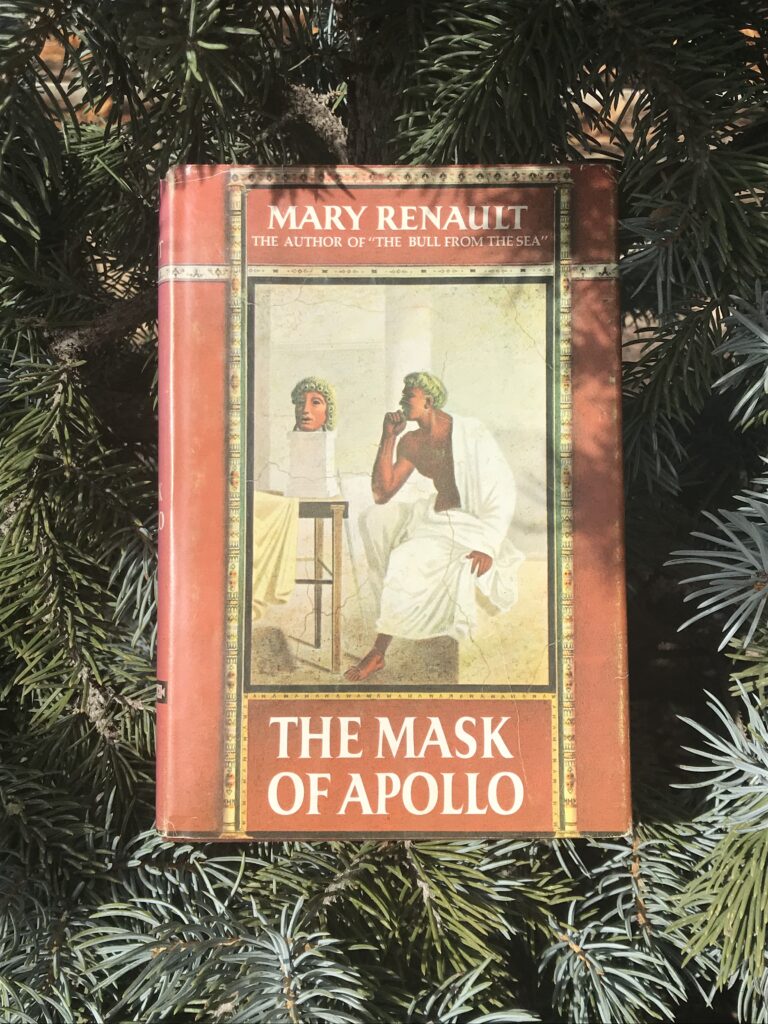
The Mask of Apollo by Mary Renault
I got this book as a mystery book subscription from the local bookstore in Frederickburg, which I did for a while during the beginning of the pandemic when I could afford it. Reading this book was kind of like getting thrown into 4th century Greece and being told to swim. Renault’s world building and all the research she must have done were stunning. I liked reading about Niko and the Greek tragedies, and I appreciated that even though she wrote the book in the 1960s, she didn’t shy away from portraying the acceptance of queerness in ancient Greek culture. (Though there was a lot of unresolved sexual tension between Niko and Dion.) But I did feel I was in over my head when reading about the politics of the time.
3/5 mysterious masks

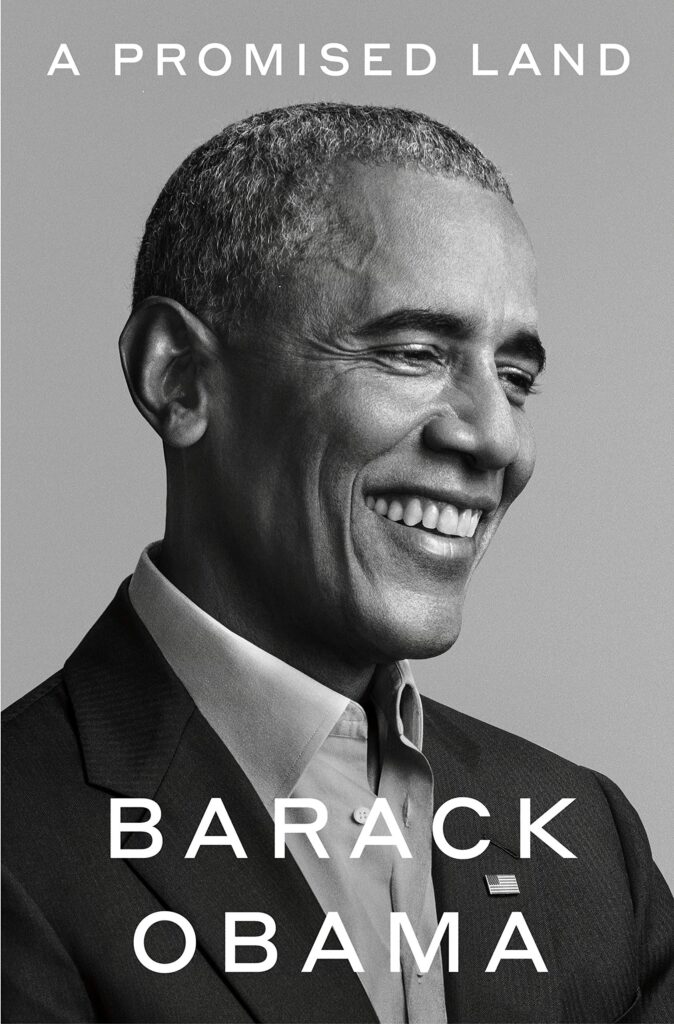
A Promised Land by Barack Obama***
CW: anti-Black racism
Former President Obama is such a remarkably intelligent and thoughtful person. It was really nice to read more about his start in politics through his first term in office. It was interesting to learn more about many of the events that took place just as I was beginning to become politically aware. Obama does a great job addressing the complexities of every difficult situation and decision that a president has to make. I liked hearing about his climate policy and how difficult it was to pass the ACA. The whole book did frustrate me a little though, because it is full of so much hope and it’s impossible not to think about where we might be today if we hadn’t had 4 years of Trump after the Obama years. I do think maybe he could’ve trimmed it down a little though. I did enjoy listening to Obama read the audiobook.
3.5/5 presidential dogs (Rest in Peace Bo)

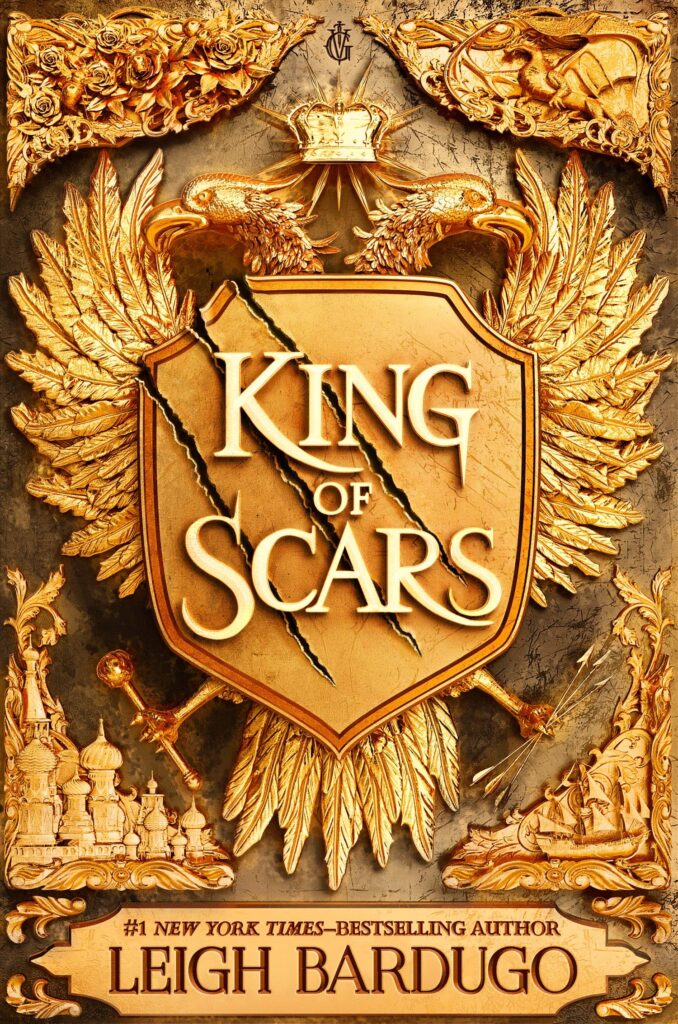
King of Scars by Leigh Bardugo
King of Scars Duology book 1 of 2, Grishaverse
CW: suicide, child abuse, child marriage
I’m sure everyone is watching Shadow and Bone right now, and isn’t it fabulous? I really enjoyed the Shadow and Bone series and the Six of Crows duology, so I was excited to read King of Scars. I love Bardugo’s world building and her characters, and I love that we get to keep visiting the Grishaverse from different perspectives. Bardugo is so clever with her plots and storylines and you’re always on your toes, desperate to know what happens. I also appreciate that she includes disabled characters and it’s not a big deal.
MILD SPOILER AHEAD: I guess the only thing I don’t love is villains who just keep coming back and are super hard to kill. I think it gets a little tiresome.
4/5 saints

**Book Hangover Alert indicates the kind of book that will leave you full up on love. Satisfied, but wishing the book never had to end. You’ll be laying on the floor with no idea what to do with yourself (other friends have called this feeling Good Book Depression or say that certain books necessitate Floor Time). This is the kind of book that gets its teeth in you and won’t let go easily. After the last page you’ll be thinking about this book for a long time. You’ll bother all your friends trying to get them to read it so that you won’t be alone in your Hangover.

***This book is part of my Books for a Social Conscience series! Read The Sword of Summer to see people of different abilities and backgrounds represented in fantasy. Read Song of Solomon to experience a classic of Black literature and American literature. Read A Promised Land to get a better idea what it was like to be the first Black president and to understand all Obama did for America.
Reads marked as part of the Books for a Social Conscience series will regularly address topics like race and racism, colonialism and post-colonialism, LGBTQ+ experience, feminism, BIPOC experience, social and political issues, history, identity, class, disability experience, immigration, gun violence, poverty, colorism, environmentalism, and more! The goal of these books is to diversify the stories we’re reading, grow our empathy for those who are different from us, and amplify voices who are often silenced.
March 2021 Books

New Books Read

HarperCollins

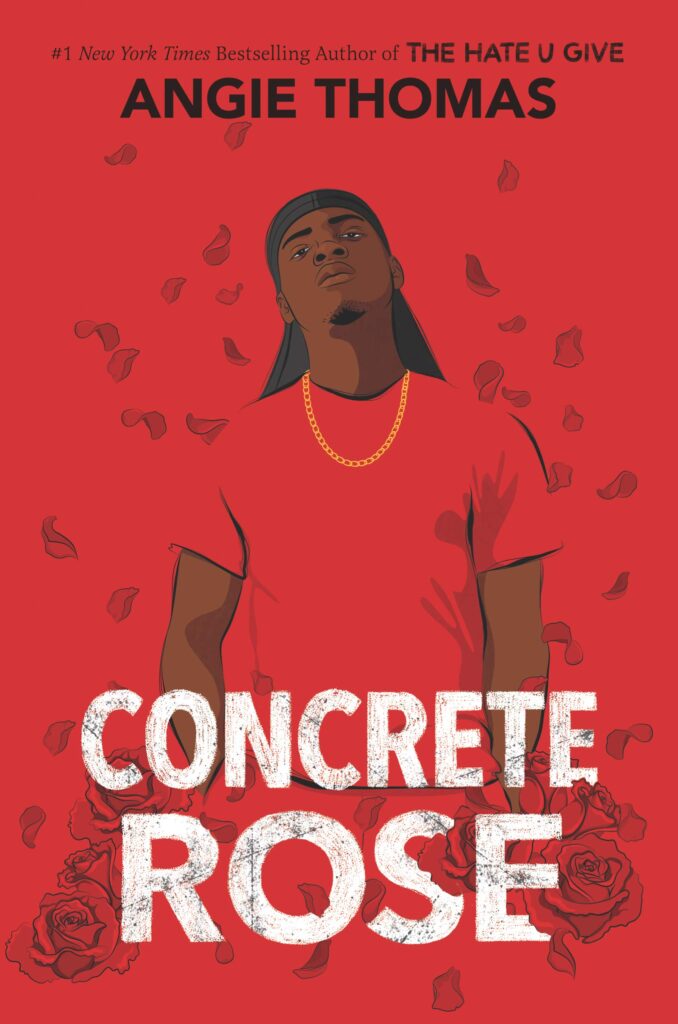
Concrete Rose by Angie Thomas***
CW: unintended pregnancy, gang violence, drugs, and gun violence
I love that Angie Thomas’s books all take place in the same neighborhood. This book focused on Maverick Carter, Starr’s father from The Hate U Give. (If you haven’t already read that book, seriously, what are you waiting for?) Thomas is a master at creating characters and distinctive voices. This book was hard to put down, the tension building masterfully. I loved the way this book examined toxic masculinity, particularly in the Black community, and teenaged fatherhood. I feel like there are a lot of books about teenaged mothers, but not as many that address what it’s like to be a teenaged father. This book also breaks the stereotype of the absent Black father and invites us to examine the systemic barriers and racism that can lead to a father being absent. I liked it a lot, though probably not quite as much as Thomas’s first two books; I am really fond of Starr and Bri.
4/5 new babies

Tom Doherty Associates

The Invisible Life of Addie LaRue by V. E. Schwab
CW: abusive relationship, alcohol abuse, assault (physical and sexual), death, depression, drugs, prostitution, sexism, suicide (attempted), war
I read another book last year about an immortal and I was so disappointed that a character who had been alive for 400 years could be so boring. I did not have that problem with this book. I really liked Addie as a character, in fact I liked all the characters. It’s also always nice to see casual LGBTQ+ characters that are secure, even when that’s not the main focus of the story. I liked Schwab’s writing style and the way the story wove forward and back through time. The only thing I wasn’t really sold on was the ending. I’m still not sure how I feel about it. Have you read it? What did you think? Also, one more thing. Schwab has a character who is getting her PhD in art history and she misidentifies Girl with a Pearl Earring as a Rembrandt. It’s a Vermeer. Editors??? You just missed that one???
3.5/5 forgotten faces

Feiwel and Friends. I had a whole photoshoot at the cemetery planned and then I remembered I read the e-book on Libby and I didn’t have a physical book to photograph.

Cemetery Boys by Aiden Thomas***
CW: transphobia, character abuse (off-page), deadnaming of a trans character, death (parental), gender dysphoria, homophobia, misgendering of a trans character
This book was hyped a lot on Book Tok and Bookstagram and I was so ready to love it…and then I didn’t. I really wanted to love it. I thought the concept and cultural context was super cool, but I was not into the writing style. The language was repetitive and cliched. I found the character of Julian kind of obnoxious, which the protagonist, Yadriel, finds endearing, but I didn’t find it that endearing. I thought the pacing was off; there’s a big mystery to solve and Yadriel is still going to school and coming home on time for curfew? I know Yadriel was pretty straitlaced, but he was willing to skip school to make out with Julian, so it seems like he should be willing to skip school to find the murderer. I feel like I figured out the mystery long before Yadriel did, like he didn’t even try that hard. NOW, that being said, somewhere there’s a Latinx trans kid (or many) who is reading this book and feeling seen and validated for the first time in their life and I am so happy for them.
3/5 human sacrifices

Infinite Country by Patrica Engel ***
CW: assault (sexual and physical), sexual harassment, racism, alcohol abuse
This was my February Book of the Month and I read it straight through during the big snowstorm in Colorado. This book was gorgeous. The writing was absolutely beautiful and achingly sad. It is a story of a family separated across borders between the US and Colombia and examines themes of family, illegal immigration, justice, and loss. The characters were so human and the story of illegal immigration so universal and yet still personal. This is a great book to read to grow your empathy for immigrants and understand why so many are trying to come to the United States, even when our country is arguably not much better than theirs in terms of safety and opportunity. While it can seem like many immigrants come to the US and “why don’t they just come here legally?” it’s so important to remember how difficult it is to come here legally and it’s important to remember the role the US government has played in destabilizing Latin American governments and backing military dictators. Infinite Country is a searing portrait of a Colombian family trying to achieve their American Dream. 
4.5/5 correctional girls schools

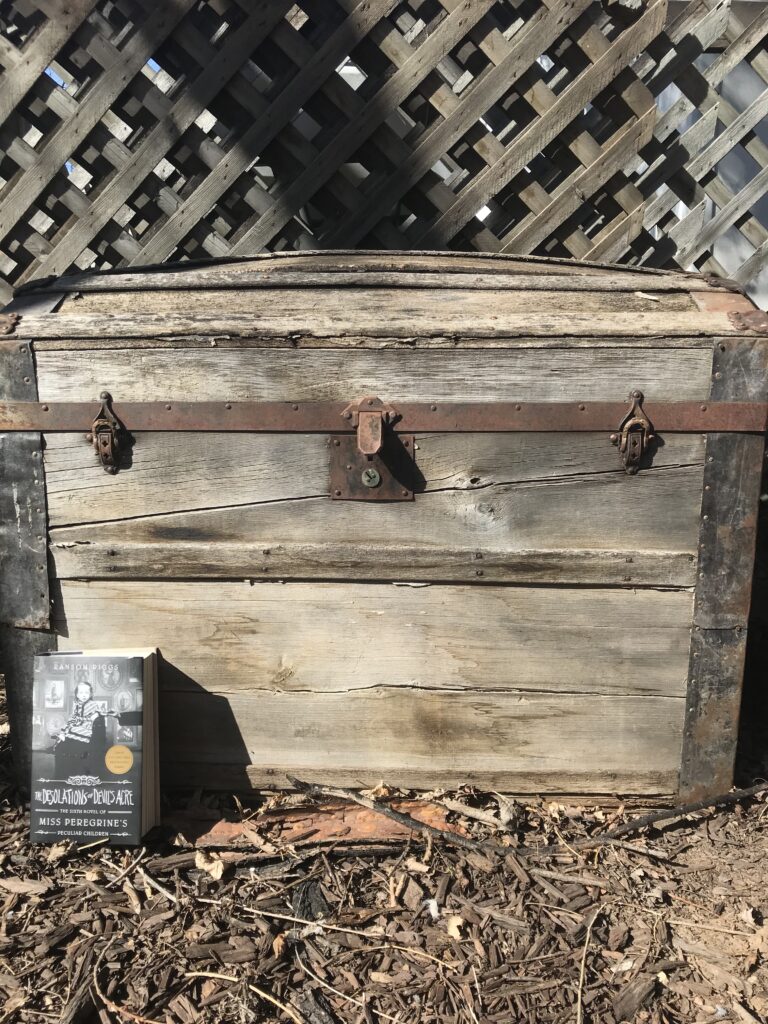
The Desolations of Devil’s Acre by Ransom Riggs
Peculiar Children book 6 of 6
The final book in the series! This whole series was pretty solid. I enjoyed reading every book. I like Riggs’s style and character development. It’s hard to have a lot of characters and make each of them distinct, but I think he does a good job. He also writes good dialogue, and I liked how the dialogue reflected well if the characters were older or from England or the US. Often it can seem that a writer is really forcing old fashioned or dialect dialogue from a place that isn’t where the author lives. Not to give away any spoilers, I was happy with the ending, though I do think it’s a bit tiresome that Miss Peregrine is always telling the children (some of whom are like a hundred years old) to stay home because saving the world is too dangerous. Like hasn’t she figured out yet that, 1) they won’t listen to her, and 2) she can’t save the world without them? I also think it’s a little annoying that Jacob is always sneaking off to save the world himself so as not to endanger his friends. They are all as willing to die to save the world as he is, and they’re more likely to save the world if they work together.
3.5/5 peculiar abilities

Chronicle Books

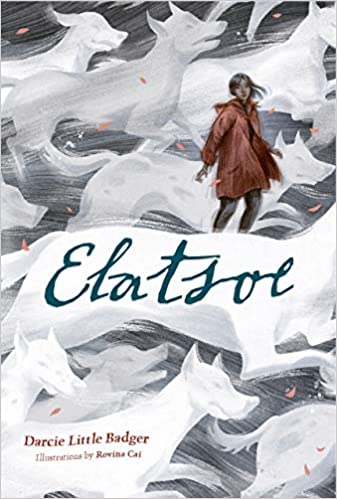
Elatsoe by Darcie Little Badger***
CW: racism, classism, death of a family member, grief
Surprisingly and entirely coincidentally, this book was a little like Cemetery Boys in that it’s about young people who can raise ghosts and and a mysterious murder. I did like the writing style more than Cemetery Boys though. I also loved reading about Lipan Apache characters and the way storytelling was woven into the narrative. I was intrigued by the world in Elatsoe, but I also feel like I could’ve done with a little more information/explanation about it. I also appreciated that Ellie, the protagonist, and Jay were working hard to solve the mystery (as I didn’t feel Yadriel in Cemetery Boys was), and I only solved a few pieces of the mystery before Ellie. My only critique is that Ellie was a 17-year-old character that read to me more like a 12-year-old. I’ve been thinking a lot about it and I haven’t figured out why she came across that way to me. I also think it’s important to point out that a lot of YA has 17-year-old protagonists who act like adults, which is not how real 17-year-olds act, so maybe media has created a bias?
3.5/5 ghost dogs

Books read for the Community Cats Podcast

My book reviews CCP blog post can be found here.

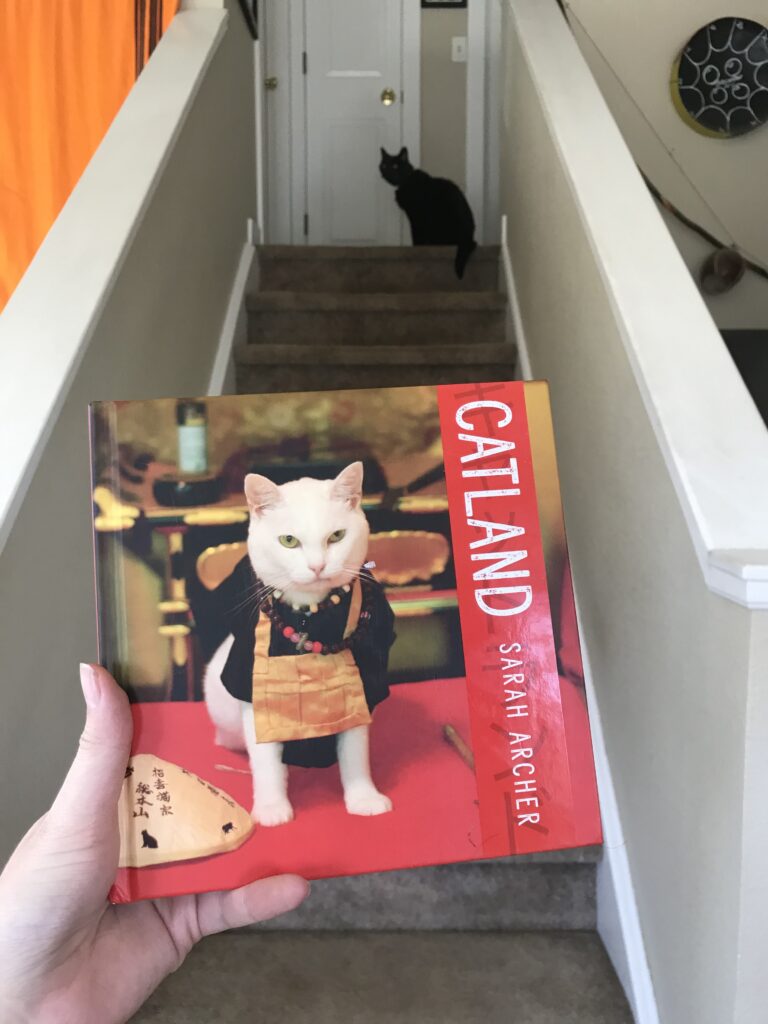
Catland: The Soft Power of Cat Culture in Japan by Sarah Archer 
I first heard about this book on Episode 377 of the Community Cats Podcast. If you’ve listened to the episode (which I highly recommend), you’ll know all about Archer’s book Catland: The Soft Power of Cat Culture in Japan, which, since I first heard about, I’ve been super excited to read. Archer is a writer, curator, and design and material culture historian, and in Catland, she examines Japan’s fascination with cats through the ages. The book is filled with gorgeous color images of life with cats in Japan and it is truly a joy to look through. Archer explores Japan’s rich history of cats, including in woodblock prints from the Edo period and the proliferation of the maneki neko, or beckoning cat as a symbol of welcome and luck, the concept of Nekonomics, or the net economic benefit that cats or cat imagery bring to a community in Japan, and the arts and crafts industries that cater to cats and cat lovers. The book is full of charming locations like shrines full of resident cats, cat cafes, bathhouses and train stations with cat mascots, cat pop culture icons like Hello Kitty and Doraemon, and kawaii (cute) products and characters. Archer definitely convinced me that Japan should be the next location on my travel wishlist (as soon as we can travel again!).
Rating: 5/5 Hello Kitty keychains

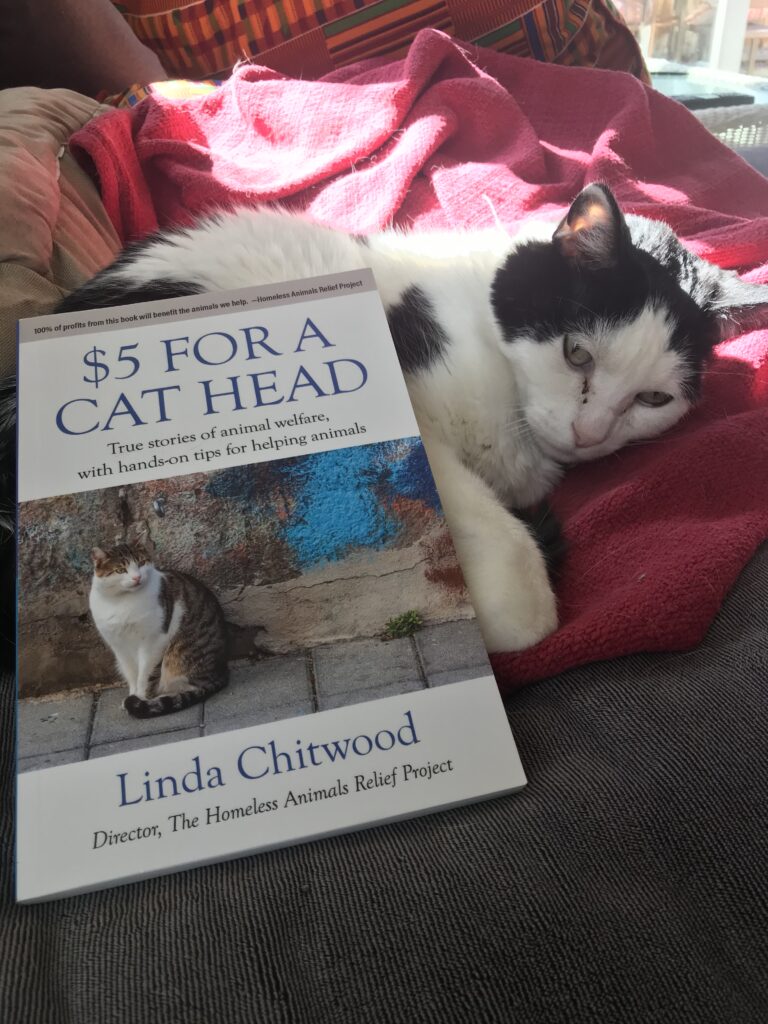
$5 for a Cat Head by Linda Chitwood
Linda Chitwood, founder of the Homeless Animals Relief Project, shares stories from her 25 years of animal rescue. The Homeless Animals Relief Project provides spay/neuter surgery for low-income pet owners living in rural Mississippi and 100% of the proceeds from this book go back to supporting their mission. I enjoyed reading the stories of animal rescues, both successful and heartbreaking that Chitwood shares. She also includes hands-on tips and lessons learned for others involved in animal rescue. Though at times a bit preachy and heavy handed, the stories are engaging and there is a lot to be learned from Chitwood’s experiences.
Rating: 2.5/5 rescued road-side animals

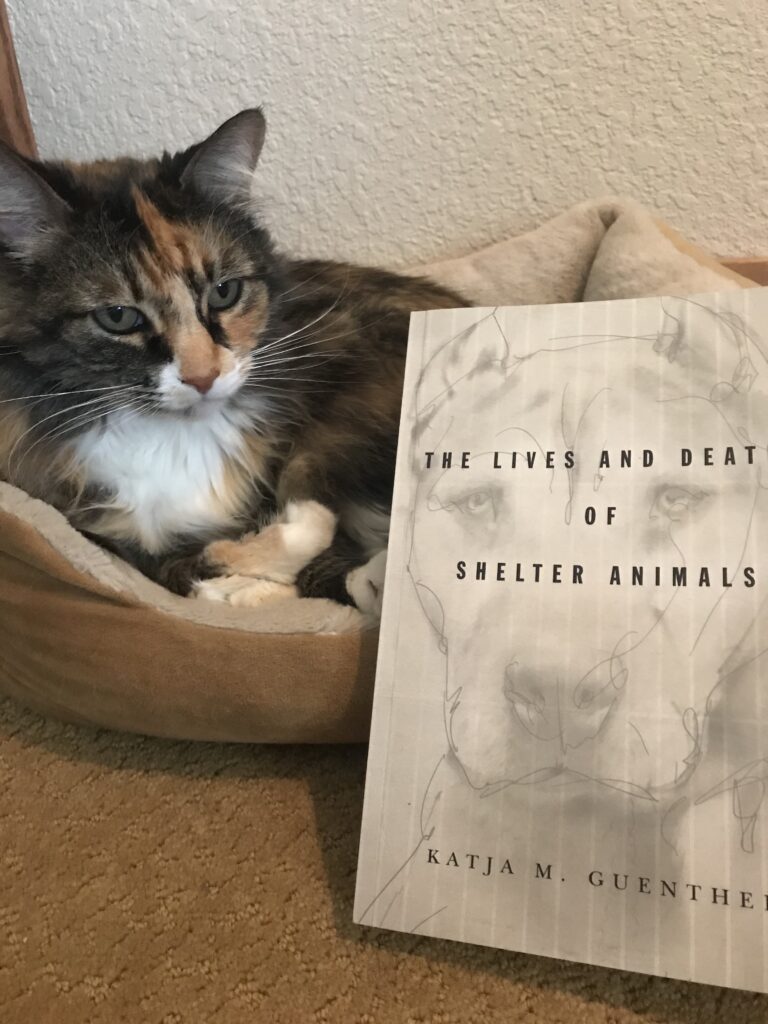
The Lives and Deaths of Shelter Animals by Katja M. Guenther***
CW: descriptions of neglected, abused, and euthanized animals
Probably everyone who works in the animal welfare industry should read this book. Dr. Guenther is an Associate Professor of Gender and Sexuality Studies at the University of California, Riverside, and she brings an anthropologist’s eye to the inner workings of one of the large animal shelters in Los Angeles. She explores how race, gender, class, and species intersect in the complex hierarchy of the shelter system. I learned so much from Dr. Guenther’s book and her keen observations made me rethink my assumptions and biases. Though I am a cat person and Dr. Guenther tended to focus on dogs, I was fascinated by her analysis of pit bulls and the ways in which racial perceptions impact them and affect their chances of being euthanized rather than adopted. Dr. Guenther also takes on what she calls “the myth of the irresponsible owner,” where pet owners from lower income, non-white areas tend to be blamed for the various systemic barriers that result in their needing to surrender animals to the shelter. Overall, I felt Dr. Guenther’s book is an extremely important work that encourages us to be more compassionate and reminds us that the oppressive systems at work in society at large are also at work in the microcosm of the shelter. The book invites us to rethink the entire sheltering system to make it more equitable and humane.
5/5 misunderstood pitbulls

***This book is part of my Books for a Social Conscience series! Read Concrete Rose to understand more about Blackness in America, including Black fatherhood and Black masculinity. Read Cemetery Boys to learn more about the trans experience, particularly in the Latinx community. Read Infinite Country to learn more about undocumented immigrants and the problems in Colombia (and much of Latin America) that were caused by American interventionism. Read Elatsoe to learn more about the Lipan Apache and more about Indigenous experience in general. Read The Lives and Deaths of Shelter Animals to learn more about systemic racism and how race, gender, class, and species interact to create inequality and cruelty.
Reads marked as part of the Books for a Social Conscience series will regularly address topics like race and racism, colonialism and post-colonialism, LGBTQ+ experience, feminism, BIPOC experience, social and political issues, history, identity, class, disability experience, immigration, gun violence, poverty, colorism, environmentalism, and more! The goal of these books is to diversify the stories we’re reading, grow our empathy for those who are different from us, and amplify voices who are often silenced.
February 2021 Books

New Books Read

Fable by Adrienne Young
Fable book 1 of 2
This book reminded me of Six of Crows by Leigh Bardugo, but with pirates. How can you go wrong? I’ve been wanting to read this book because of the gorgeous cover (who says we don’t judge books by their covers?) and I finally got it from my hold at the library. Was not disappointed. I loved the adventure and the character development and the world building. I’m excited to read the next one.
4/5 rare gems

Clap When You Land by Elizabeth Acevedo***
Book Hangover Alert**
CW: sexual harassment, attempted sexual assault, misogyny
Elizabeth Acevedo’s book The Fire on High was one of my favorite books of 2020, so I promptly put everything else she’s written on hold at the library (and of course they all came in at the same time like they always do). Clap When You Land was gorgeous and lyrical and I couldn’t put it down. I literally read straight through the Super Bowl to finish it and I didn’t even know what team had won even though I’d been sitting on the couch the whole time. It was sad and hopeful and the characters were lovely and complicated and complete. It’s a novel-in-verse, written entirely in poetry. I feel like that’s intimidating for some people who aren’t familiar with poetry, but do yourself a favor and just give it a try.
5/5 island dogs

The Fire Next Time by James Baldwin***
CW: anti-Black racism, n-word
It’s Black History Month so this was my official Black History Month read, recommended to me by my African American lit professor at UMW. James Baldwin is just such a wonderful writer. This book was two essays about the experience of being Black in America. The first is addressed to Baldwin’s young nephew and is about race in American history and society. The second much longer essay discusses the intersections of race and religion. Definitely something white people should read. The book was written in 1963, but it’s still unfortunately, very relevant.
3/5 young preachers

The Poet X by Elizabeth Acevedo***
Book Hangover Alert**
CW: misogyny and slut-shaming, body shaming, sexual harassment and unwanted touching, parental abuse and parental abandonment mentioned
Everything Elizabeth Acevedo has written is perfect. About a budding poet, The Poet X is also a novel-in-verse and it’s so gorgeous. I’m so jealous of how good a poet Acevedo is. As a writer, I loved that this book was about a young writer finding her voice. I also loved how her English teacher encourages her to come out of her shell; teachers are so important. Also I cried. I loved it so much.
5/5 young poets

Hench by Natalie Zina Walschots***
Hopefully the first book in a series
So funny! This book is about a temp worker who does data analysis for supervillains. After an accident with a superhero that leaves her injured, the main character Anna, goes to work for the most villainous of the supervillains, determined to bring the superheroes down. I loved the moral grayness of all the characters. Often in superhero stories the heroes are good and the villains are bad and there’s never any doubt about that, but in Hench all the characters are so painfully human and they’re all trying to do what they think is right. The book also examines the collateral damage wrought by heroes, something I think about a lot watching superhero movies. The dialogue was snappy, Anna was smart and funny, the characters were interesting, and I love seeing casual queerness in books where that’s not the central focus.
4/5 superheroes with terrible names

The Conference of the Birds by Ransom Riggs
Peculiar Children book 5 of 6
I had to read the Wikipedia pages for each of the previous books because–let’s be real–the first book in this series came out 10 years ago. I read the first one right when it came out and really enjoyed it, then the other books came out pretty slowly every few years and I was always forgetting where we’d left off in the previous book. But once I’d refreshed myself on what was going on, I really enjoyed this installment of the series. My only complaint is that (SPOILERS AHEAD) I’m sad Jacob and Emma aren’t together anymore. I realize Emma wasn’t over Abe and maybe it was always a little weird that Emma had dated both this dude and his grandfather, but I was totally invested in it. I also feel like Noor is cool but Jacob has known her for like 30 seconds and they’re a thing now? Maybe considering that the world is potentially ending, now isn’t a great time for romance in general.
3.5/5 creepy photographs

Books I bought in February

I was sad in February so I bought a lot of books, most of which I haven’t read and most likely won’t end up reading soon.

Execute the Office by Colin Rafferty
This is a book of essays about US presidents written by one of my professors from UMW!

The Wicked Step-Brother and Other Tales by Warren Rochelle
This a book of queer fairytale retellings by another of my professors (and also my advisor) at UMW!

The Toll by Neal Shusterman
I love this series and I actually have already read this book, but I decided I needed to buy it to complete my set.

The Conference of the Birds and The Desolation of Devil’s Acre by Ransom Riggs
I actually did read The Conference of the Birds the same month I purchased it, which is a surprise. Hopefully I’ll read The Desolation of Devil’s Acre soon. I feel like I have to, since my complaint about the other books in the series is that I read them too far apart.

Infinite Country by Patricia Engel
I joined a book of the month club this month, because obviously I don’t have enough to read…

**Book Hangover Alert indicates the kind of book that will leave you full up on love. Satisfied, but wishing the book never had to end. You’ll be laying on the floor with no idea what to do with yourself (other friends have called this feeling Good Book Depression or say that certain books necessitate Floor Time). This is the kind of book that gets its teeth in you and won’t let go easily. After the last page you’ll be thinking about this book for a long time. You’ll bother all your friends trying to get them to read it so that you won’t be alone in your Hangover.

***This book is part of my Books for a Social Conscience series! Read Clap When You Land to explore immigration and family and the realities for women in the Dominican Republic. For more on sex workers in Sosúa, DR, read What’s Love Got To Do With It? by Denise Brennan, an anthropological text on the relationship between sex workers and tourists. Read The Fire Next Time to learn more about the Black experience in American during the last 50 years, and to read more from a giant in African American literature. Read The Poet X for discussion of immigrant experience as well as body shaming and the balancing of traditional culture and progress. Read Hench for well-adjusted queer characters in a super hero story.
Reads marked as part of the Books for a Social Conscience series will regularly address topics like race and racism, colonialism and post-colonialism, LGBTQ+ experience, feminism, BIPOC experience, social and political issues, history, identity, class, disability experience, immigration, gun violence, poverty, colorism, environmentalism, and more! The goal of these books is to diversify the stories we’re reading, grow our empathy for those who are different from us, and amplify voices who are often silenced.
January 2021 Books

Books Reread

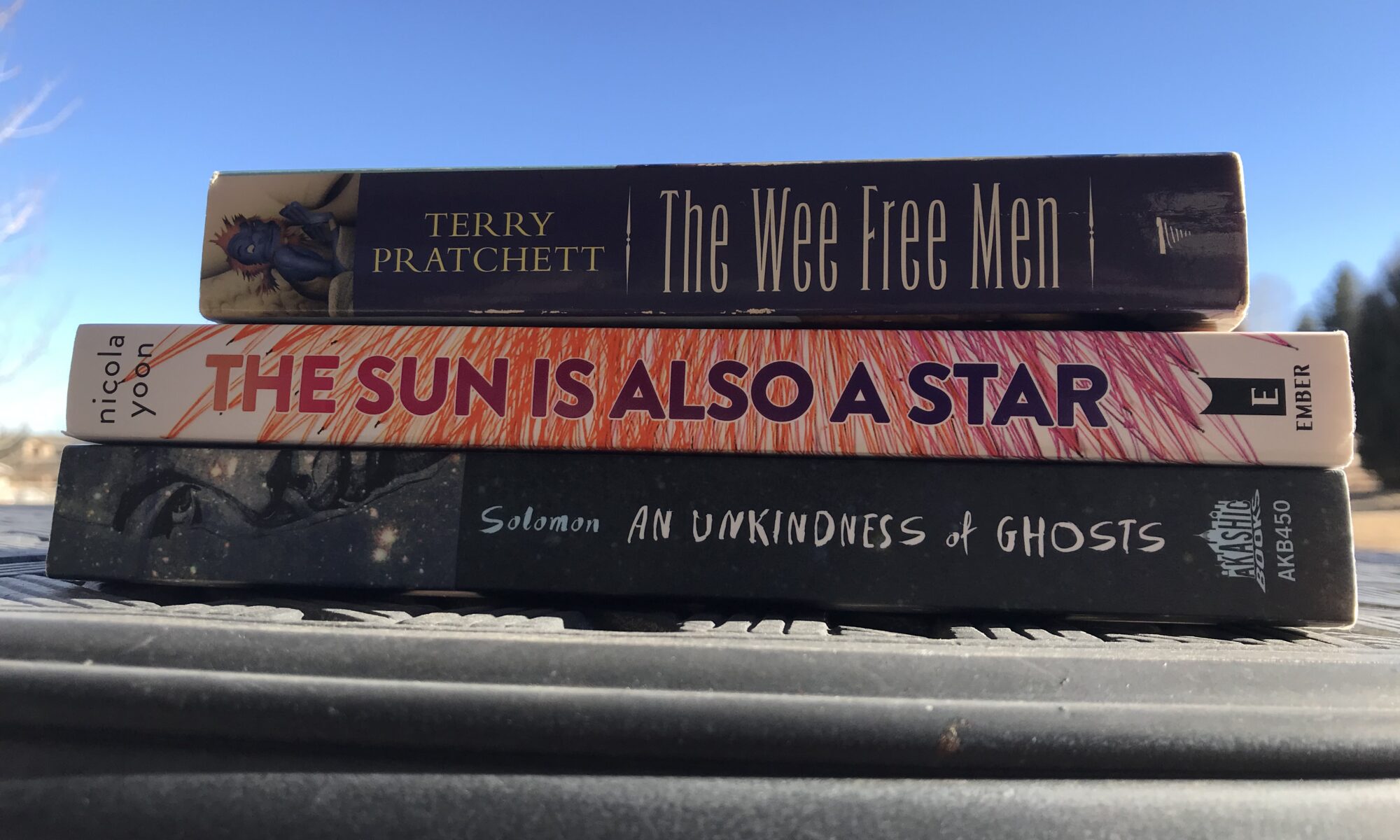
The Wee Free Men by Terry Pratchett
Tiffany Aching book 1 of 5; Discworld Series book 30 of 41
This series is another of my favorites. I love Terry Pratchett in general, but Tiffany is one of my favorite heroines of all time. She is practical and clever and even at age 9 is ready to take on the queen of the faeries to get her little brother back. It’s hilarious, it’s full of memorable characters, and it should not be missed.
5/5 tiny blue men

New Books Read

Cinderella is Dead by Kalynn Bayron***
CW: misogyny
My first new book of the year! You know by now that I love fairytale retellings. If you read very many of them, you may think you’ve read every original take on Cinderella, and there can’t possibly be anything new in that story. But boy, have I got news for you. This is another Book Tok recommendation (it’s gay and it slaps), and it’s great for several reasons. One is the dystopian take on Cinderella; the story is set in a world where the Cinderella story is used as a religion to oppress women. The other reason is the gay characters who are secure and unashamed of their identities. There’s nothing wrong with a good coming out story where gay characters are trying to come to terms with their identities, but it’s refreshing to read a story where the characters are already out and secure and ready to go on an adventure.
4.5/5 glass slippers

The Sun is Also a Star by Nicola Yoon***
Book Hangover Alert**
CW: racism
I don’t read a ton of YA romance but this book was fabulous. Nicola Yoon is such a good writer, I literally sat on the couch all day and read this book until I was done. I loved that this book, while being a YA romance, also engaged with difficult topics like identity, immigration, racism and microaggressions. I loved the way it was like a constellation, the lives of the main characters radiating out to touch other lives. Its ending was great, not too sappy, just the right amount of bittersweet.
4.5/5 Korean karaoke bars

Flatiron Books

Mr. Dickens and His Carol by Samantha Silva
I was really excited to read this book, because as I mentioned in my December post, I love Charles Dickens. This story is a fictional retelling of how Dickens wrote A Christmas Carol (my favorite Dickens book). But honestly I was kinda disappointed. If you’ve seen the movie The Man Who Invented Christmas, the book was like a not-as-good version of that. So I’d just watch that movie instead. I found Dickens as a character a bit unlikeable (I don’t have any idea if the character is like the real Dickens, but at any rate I didn’t like him). I felt like the Eleanor Lovejoy character was almost not necessary and kind of just annoyed me because Dickens already has a great wife, and why is she not worthy of being a muse? The beginning was a bit slow and I wanted more about exactly what inspired Dickens to write the book other than this mysterious woman and running into people that had cool names like Jacob Marley. Now that being said, I did really enjoy the language Silva used; she describes things in a way that is unique, but also calls to mind Dickens’s own writing and other writing of that era. And the ending was great. Very Christmassy, full of good spirit and cheer, happy, and satisfying.
3/5 Christmas wreaths (the ending really saved this rating)

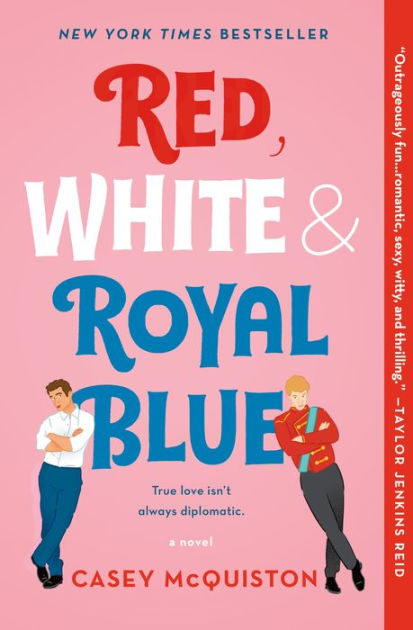
Red, White & Royal Blue by Casey McQuiston***
Book Hangover Alert!
I just said above that I don’t read a ton of YA romance, but apparently I do this month. Fabulous. Adorable. Couldn’t put it down. I was walking around my house with my phone in front of my face trying to do everything one-handed while I read the ebook. As Book Tok would say, “it’s gay and it slaps.” This book is about the First Son of the United States falling in love with the Prince of Wales and it’s just as wonderful as it sounds. It was also nice to read about the politics of the US in a world where Trump has never existed. It was so hopeful and lovely and I adored it.
5/5 dogs named David

The Thirty Names of Night by Zeyn Joukhadar***
CW: body dysmorphia
So beautiful. Joukhadar’s prose is just so gorgeous. Also I love birds. I don’t think I’ve ever read a book about Syrian immigrants before so that was really cool and I felt like I learned a lot. There are also trans and nonbinary characters which we always want to see more of. I liked thinking about how those identities are navigated in the cultural context of being a Syrian immigrant. I also loved the way all the threads of the story were woven together from the past to the present; it was super satisfying to read.
4.5/5 mysterious birds

An Unkindness of Ghosts by Rivers Solomon***
CW: assault, attempted and reference to sexual assault, racism , misogyny, public executions, oppression, body dysmorphia
Nonbinary authors in science fiction! We love it! The world constructed by Solomon was so interesting. The characters were memorable and the voice of the whole novel was really strong. We had some trans characters and some nonbinary characters, and I read Aster as autistic. I appreciated that while Aster had autistic-coded traits, she wasn’t a one dimensional or stereotypical representation of an autistic. I do have some questions though. I feel like maybe I didn’t quite understand all the science about the ship and their navigation, so if anyone has read it, I’d love to chat about it. I also wondered about the patriarchy. The ship is split into Decks and its a caste system: people born on the lower decks are lower in social status. The Decks also have their own language dialect and culture. Aster says the children on T Deck are called they/them until they are older, while children on Q Deck are all referred to as she/her. But the ship itself is so highly patriarchal and traditional as far as gender roles (like the game of house that Aster and Giselle play). It just seems odd to me that gender roles for adults would be so strict when they weren’t as children. Unless that’s just a T and Q Deck thing and the patriarchy is reaffirmed by the upperdeckers who are in power? Let me know if you want to discuss.
4/5 frozen severed feet

Books read for the Community Cats Podcast blog

My book reviews CCP blog post can be found here.

Let’s Talk About Cats by Anita Kelsey
By a behaviorist and groomer, this book is a combination of interviews, tips, and stories from Kelsey’s work. Though I read it straight through, it is broken down in such a way that you could just read the chapters that are relevant to you or that particularly interest you. Kelsey interviews big names such as Jackson Galaxy, Kate Benjamin, Jennifer Conrad, and the Cat Man of Aleppo. She covers topics like cat behavior, cat vocalizations, what to feed your cat, whether cats grieve or enjoy music, and more. I thought the interviews were really interesting and Kelsey shared good tips and lots of food for thought about how we can make our cats lives the best they can be.
3/5 happy cats

The Cat That Changed America by Tony Lee Moral
I feel bad because the author of the book sent it to me to review for the Community Cats Podcast blog and I didn’t really like it. It is geared for children, but good writing is good writing, and I don’t think it was great writing. I do think the cause of the book is great; it was written to raise awareness about building a wildlife corridor in the Santa Monica Mountains to link different habitats to keep wildlife from being killed on the highways. The book is written from the perspective of P22 a real mountain lion who made his way through LA and now lives alone in Griffith Park. I just felt the anthropomorphization was a little off-putting and inconsistent. Like P22’s name for example, I know that since he’s a real mountain lion, that’s how they identify them, but it’s a terrible name and it’s a bit hard to connect with a character named P22. It’s like how stormtroopers all have letter-number combination names to dehumanize them. And it’s unclear what P22 knows about humans. At first he talks about these metal monsters, but then he seems to know what cars are and what highways are later. P22 is also upset when he learns this other mean mountain lion is his father, and it seemed really odd to give human notions of fatherhood to animals who grow up with no contact with their sire. I sent the book to a friend to see if her kids liked it, as that’s the intended audience. But anyway, I hope they build the wildlife corridor.
2/5 mountain lions

**Book Hangover Alert indicates the kind of book that will leave you full up on love. Satisfied, but wishing the book never had to end. You’ll be laying on the floor with no idea what to do with yourself (other friends have called this feeling Good Book Depression or say that certain books necessitate Floor Time). This is the kind of book that gets its teeth in you and won’t let go easily. After the last page you’ll be thinking about this book for a long time. You’ll bother all your friends trying to get them to read it so that you won’t be alone in your Hangover.

***This book is part of my Books for a Social Conscience series! Read Cinderella is Dead for an original take on an old classic starring LGBTQ+ people of color. Read The Sun is Also a Star to learn more about the immigrant experience and the politics of biracial love. Read Red, White & Royal Blue for a hopeful look at what the future of inclusion of LGBTQ+ people looks like. Read The Thirty Names of Night for a look at LGBTQ+ experience as well as Syrian immigrant experience. Read An Unkindness of Ghosts for original sci-fi featuring disabled, neurodivergent, LGBTQ+, and BIPOC characters, and to add another nonbinary author to your library.
Reads marked as part of the Books for a Social Conscience series will regularly address topics like race and racism, colonialism and post-colonialism, LGBTQ+ experience, feminism, BIPOC experience, social and political issues, history, identity, class, disability experience, immigration, gun violence, poverty, colorism, environmentalism, and more! The goal of these books is to diversify the stories we’re reading, grow our empathy for those who are different from us, and amplify voices who are often silenced.
December 2020 Books and End of Year Round-up

End of Year round-up

Number of new books read this year: 81

Number of books reread this year: 9 (from June -December)

Number of books by women and nonbinary people read this year (only including new books read): 49

Number of books by BIPOC read this year (only including new books read): 22

Breakdown by genre:
Fiction: 63
(Fantasy: 21; literary fiction: 16; science and speculative fiction: 11; historical fiction: 8; fairytales: 2; mythology: 2; children’s literature: 1; mystery: 1; supernatural: 1)
Nonfiction: 12
(Science: 3; biography: 2; memoir: 2; anthropology: 1; history: 1; how-to: 1; essays: 1; travel and humor: 1)
Graphic novel: 3
(fantasy: 2; memoir: 1)
Short story collection: 2
(literary fiction; 1; science fiction: 1)
Poetry: 1

First book of the year: Equal Rites by Terry Pratchett

Last book of the year: Summer Knight by Jim Butcher

Best books of the year (because I can’t chose one):
Utopia Avenue by David Mitchell
With the Fire on High by Elizabeth Acevedo
The City We Became by N. K. Jemisin
The Goldfinch by Donna Tartt
Ninth House by Leigh Bardugo

Worst books of the year
The Lion in the Living Room by Abigail Tucker
The Book Woman of Troublesome Creek by Kim Michele Richardson
The Accidental Alchemist by Gigi Pandian

December Books reread

A Christmas Carol by Charles Dickens
I really cannot convey how much I love this book. Sometimes classics are classics for a reason. I never get tired of the story and delight in forcing my family to watch every movie adaption, including a filmed stage musical that I was in (I played the first spirit). This year I made everyone listen to Tim Curry’s audio book of it. Delightful. Dickens is definitely at his best in this book.
10/10 bad lobsters in a dark cellar

New Books Read

Bloomsbury Publishing USA

Empire of Storms by Sarah J. Maas
Book Hangover Alert**
Throne of Glass series book 5 of 7
I’ve been making my way through this series extremely slowly, not because it isn’t good, but because when I finish it, it will be over. Unfortunately, I did wait a little too long between reading book four and reading this one. It took me a minute to remember where we’d left off. But this installment did not disappoint. I don’t think it was my favorite of the series, but we got lots of quality Aelin and Rowan time, which I appreciated.
3.5/5 extremely attractive Fae males

The City We Became by N. K. Jemisin***
Book Hangover Alert**
CW: racism, xenophobia
SO GOOD. It’s an urban fantasy/sci-fi that reminded me a bit of Neil Gaiman’s Neverwhere, except about New York instead of London. This book was about the personification of New York City and multi-dimensional alien threats. Even though I don’t live in New York, I do love the city and I felt the way Jemisin represented each of the boroughs of New York was (*chef’s kiss*) spot on. Her characters were so real and so vibrant and even though there was a lot of the characters standing around and talking, trying to decide what to do, I didn’t mind because I loved the characters. I would have read more of them just chatting to each other honestly. I don’t know if there will be another book, but I really hope so.
5/5 city avatars

Pan MacMillan

Wilder Girls by Rory Power***
Book Hangover Alert**
CW (provided by Rory Power’s website): graphic violence and body horror, gore, on the page character death, parental death, and animal death (the animals are not pets), behavior and descriptive language akin to self harm, and references to such, food scarcity and starvation, emesis, a scene depicting chemical gassing, suicide and suicidal ideation, non-consensual medical treatment.
This isn’t in the content warning, but I also want to acknowledge that this book is about a mysterious and deadly disease and a lockdown, so if that’s not something you want to think about when you’re reading during COVID times, I totally get it. That being said, this book was great. I read it because I saw it on Book Tok and the Tik Tok reviewer said “it’s gay and it slaps.” Reader, she was correct. I loved the style; the characterization was really strong. The prose was spare and still very expressive. I’m definitely ready for book two, so hopefully that’s a thing that’s coming. I also liked the themes of environmentalism and disability that threaded through the novel.
4/5 mutant deer

Oliver Twist by Charles Dickens
CW: anti-semitism, n-word
I always feel like reading Dickens in the winter, but I usually just read one of his Christmas books. This year I thought I’d give Oliver Twist a try. I really liked it. I love the way Dickens critiques the classism and social welfare of his day, and how he does it such an amusing way. The characters are vibrant and I love how neatly all the characters and threads of the story get tied up at the end. Now, that being said, holy anti-semitism, Batman. The character of Fagin is super problematic. I recently watched a Tik Tok video about how anti-semitism is a different kind of oppression because it assumes that Jews are both superior and inferior to white people. There are stereotypes that Jews are misers that control everything, the banks, etc. (superior), and that they’re rat-like parasites who feed off white people (inferior). Fagin perfectly embodies this caricature of the Jew; his hands are described as rat-like claws, his large nose is referenced many times, he is a robber who steals (from white people) to live, but he also controls this whole network of petty thieves that reports to him and he keeps all the best things to sell himself. Dickens, like many writers of this time, also equates physical beauty to goodness and virtue, which I also don’t love; but he does subvert society in other ways, critiquing the church and institutions like workhouses, both of which were supposed to help the poor and didn’t really, and critiquing the classism that kept people from marrying for love, instead choosing status or worrying what other people would think if they didn’t.
3/5 virtuous orphans

Custer Died for Your Sins by Vine Deloria Jr. ***
It’s important to note that this book is a little old, published in 1969. It discusses the state of Indian Affairs, so it’s important to remember its context is the 1960s, however, I’m sure many of the issues covered in the book are not as solved as we would hope 50 years later. This books is a good one to read to learn more about how the government has treated Native Americans from first contact to contemporary times. Though policy is very important, it’s not always the most exciting thing to read about. My favorite chapter was the one on Indian Humor; since Native Americans are usually portrayed as stoic and serious, it’s nice to read about how humor is actually integral to the Native experience.
3/5 anthropologists

Homo Deus by Yuval Noah Harari
My aunt lent this to me in like March, but I’ve finally finished it. What I liked most about Harari’s book was that it was accessible. I’m not someone who knows a lot about science, but the way he writes and explains things made it easy to understand what he was talking about. The premise of the book is kind of a projection of the future and the goals of humans might be after we’ve solved the problems of war, famine, and plague. (LOL the book was written in 2016 and published in 2017; it’s pretty clear we haven’t solved problems like plague yet!) It was really interesting and also a bit scary (thinking about the future often is). Harari makes a strong argument and as someone who doesn’t read a ton of contemporary science and philosophy, most of his points seem sound to me. So I’d recommend also reading this New York Times review, which adds a few grains of salt with which to take Harari’s work.
3/5 micro robots

Summer Knight by Jim Butcher
Dresden Files book 4 of 17
Still trucking slowly through these. No spoilers, because this is book four, but Harry Dresden is still alive. I appreciated that in this book we got to meet some more wizards. I also appreciated that, for a book written in 2002, the White Council is pretty diverse. Now, that being said a lot of the representations are pretty stereotypical, but I’d like to think Butcher got better at it as he went along. Most straight, cis, white men aren’t going to get it right on the first try. So hopefully he’s doing better now, or we have a problem.
3.5/5 malicious faerie queens

**Book Hangover Alert indicates the kind of book that will leave you full up on love. Satisfied, but wishing the book never had to end. You’ll be laying on the floor with no idea what to do with yourself (other friends have called this feeling Good Book Depression or say that certain books necessitate Floor Time). This is the kind of book that gets its teeth in you and won’t let go easily. After the last page you’ll be thinking about this book for a long time. You’ll bother all your friends trying to get them to read it so that you won’t be alone in your Hangover.

***This book is part of my Books for a Social Conscience series! Read The City We Became to learn more about the diversity that makes up New York and America as a whole. Read Wilder Girls to see more queer people represented in YA and to consider environmental and disability issues. Read Custer Died for Your Sins to learn more about Indian Affairs, and Native issues and history.
Reads marked as part of the Books for a Social Conscience series will regularly address topics like race and racism, colonialism and post-colonialism, LGBTQ+ experience, feminism, BIPOC experience, social and political issues, history, identity, class, disability experience, immigration, gun violence, poverty, colorism, environmentalism, and more! The goal of these books is to diversify the stories we’re reading, grow our empathy for those who are different from us, and amplify voices who are often silenced.
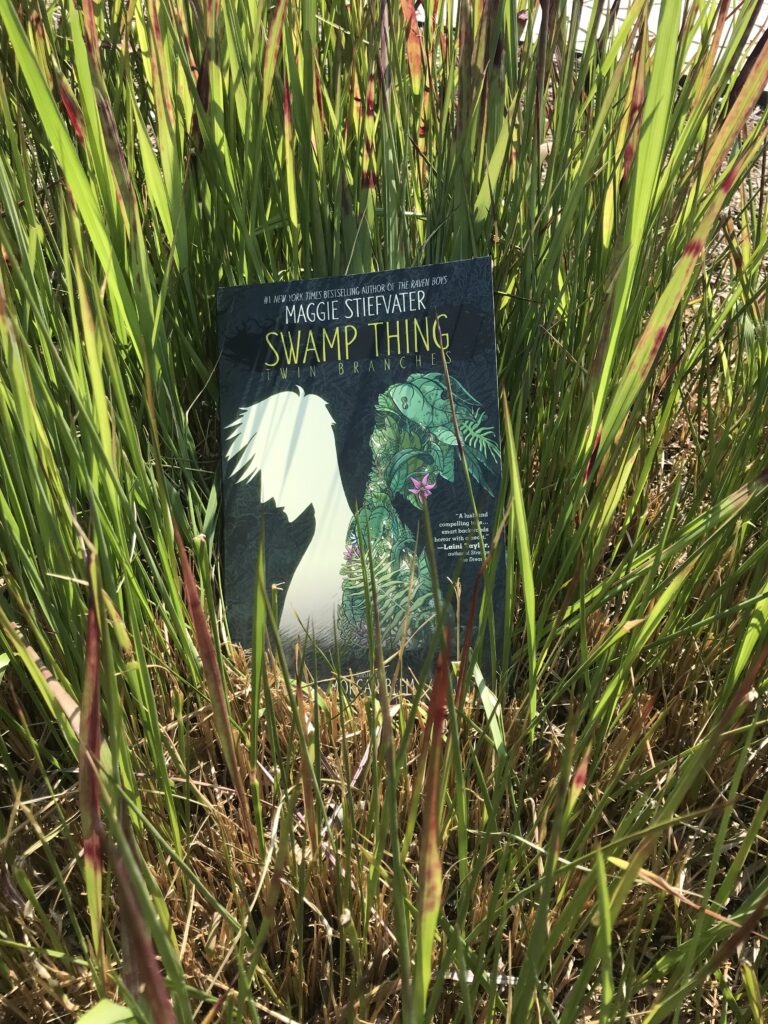
November 2020 Books

Honestly, I didn’t read much this month, so this will be a short post. I participated in NaNoWriMo, so I was frantically trying to write a novel instead. Reading is definitely a way I procrastinate writing.

Books Reread

Harry Potter and the Chamber of Secrets by J. K. Rowling*
Harry Potter book 2 of 7
We went on a socially distanced road trip and there’s nothing like listening to the soothing tones of Jim Dale reading one of your favorite stories as you drive through the desert. Chamber of Secrets is probably one of my favorite of the Harry Potter books (though I’m not sure I can choose a favorite). I love the mystery and how all the loose ends tie up so neatly. It’s also fun rereading after you’ve read the whole series, because you can see how all the groundwork is laid for the later books. I think it’s super neat the way the books sort of work in parenthetical pairs, with this book connecting to the sixth book (this is where we first visit Bourgin and Burkes and see all the items that will be important in The Half Blood Prince; our first introduction to visiting another’s memories and to the horcruxes which are both super important in HBP; meeting Aragog who dies in HBP).
5/5 basilisks

New Books Read

Sourcebooks Landmark

The Book Woman of Troublesome Creek by Kim Michele Richardson
Not good. Super disappointed. This book was set during the Great Depression in the boonies of Tennessee. It’s about this odd woman with blue skin who works as a packhorse librarian for the WPA. To me it read like a poorly constructed race narrative. This woman is the last of the blue people and she and her family are discriminated against because of their skin color. The way the story was told seemed like it was meant to emphasize discrimination against people of color, but by centering on a blue-skinned protagonist, it minimized the struggles of real people of color in favor of this mystical other race who had it even worse than Black people. It served to distance the reader from the characters. Though it may have depicted accurate racial discrimination, the reader could dismiss it because blue people don’t exist. The main character was problematic because she was so pure, unselfish, and kind, that it sends the message that she didn’t deserve to be discriminated against because look what a good person she was. No one deserves to be discriminated against. You don’t have to be a saint to not deserve that. Then there was also this white savior-y doctor who wanted to do experiments on the protagonist to figure out why she was blue and if she could be cured. She doesn’t have any agency to agree to or decline to participate in the tests and they are traumatic for her. And yet she still acts super grateful to this creepy doctor who has the “best interest” of the blues at heart. Then the doctor actually does find a cure that turns her blue skin white temporarily, though with side effects. She thinks people will treat her better because she’s white now but they don’t, so she has to learn to come to terms with her blueness. It was also unfeminist because the protagonist talks the whole book about how she doesn’t want to get married and she wants to keep her job as a librarian because of the independence it gives her, and then the minute the only not-awful man shows interest in marrying her, she throws away all her principles. The only thing I liked about the book was the packhorse librarian stuff (which is why I thought it sounded interesting enough to read in the first place). I liked learning more about that program which I have heard of before and think should still be a thing. I would love to ride a horse around delivering books to people.
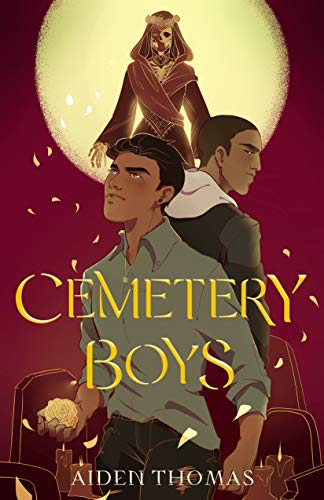
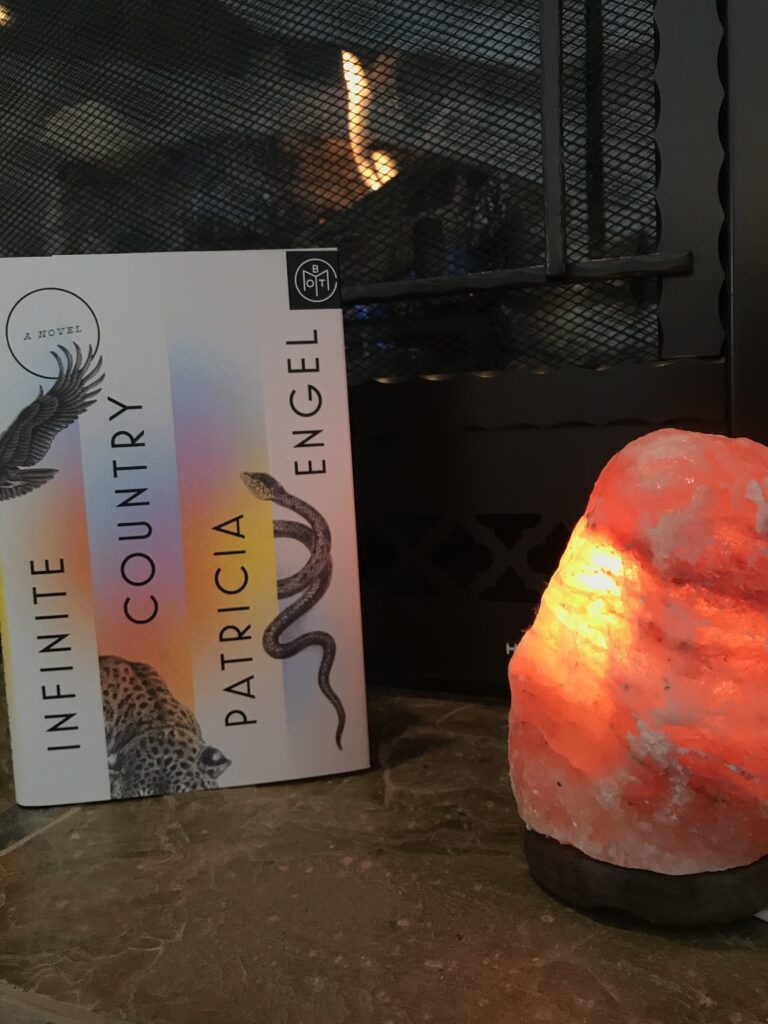
Now, those were my thoughts after I finished the book. Then I read the author’s note which shed a little light on the author’s intentions for the book. Generally I don’t think authors’ intentions matter much; what matters is the reaction of the reader. But I learned from the author’s note that there was a real congenital disease called methemoglobinemia that affected a family in Tennessee and caused some of them to have blue skin. Apparently this is what the author was basing her fictional story on. So instead of a race narrative, we’re actually dealing with a disability narrative, and it’s still bad. There are a lot of tropes in disability literature and media about disabled people who are selfless and kind and bear their disability with grace so that the abled community can pity them and be ‘inspired’ by them, while still discriminating against them. Then we have the cure. Though the cure is historically factual, it’s problematic in disabled circles to try to find a cure to a disability that isn’t actually causing harm. For example for things like Autism, Down Syndrome, and others. Instead of trying to cure these disabilities, we should be trying to change our society to offer more accommodations, and be more understanding and accepting of diversity of thought and experience.
(Also I just saw that 86% of the people on Goodreads liked this book. Neat.)
2/5 ornery mules

Llewellyn Worldwide

The Accidental Alchemist by Gigi Pandian
The Accidental Alchemist Mysteries book 1 of 4
Also disappointing. Do not recommend. This was not a great month for reading. The language was repetitive, the story dragged, the characters were boring. And the main character was an alchemist who’d been alive for like 400 years, so it seems like it would be hard to make that kind of person boring. But she was not actually that good of an alchemist and very slow on the uptake, which was frustrating as a reader. Having a female character who has lived 400 years, I think, is a really interesting opportunity to analyze how the world has changed and how it has stayed the same for women and other minorities, but this is just something mentioned in passing in relation to women, not explored. There were too many characters and even when we learned their backstory it was like, “Wow, I still don’t care about them.” The mystery wasn’t a neat and satisfying story where all the clues come together in the end and you get that lovely Eureka! moment. Even when we found out what was going on, I was like, “Oh, that’s it?” And the protagonist falls in love with this detective (who doesn’t seem like he’s that good of a detective either), and the romance is just so eye-roll inducing. She talks to him like not that many times and the book would have been far more interesting if the love interest had been the bad guy (Spoiler alert, he’s not). Every time something exciting and sinister-seeming happened, it turned out to be just these teenagers getting up to mischief. Also way too many details about the protagonists energizing smoothies she drinks every morning. I. Do. Not. Care. The best part about the whole thing was Dorian, a gargoyle come to life who also happens to be a great French chef. He was definitely the most interesting character. We listened to this one on our road trip too and no one in my family was a fan.
2.5/5 talking gargoyles

Both of these not-very-good books came from Audible titles that are included with the subscription (meaning you don’t have to spend a credit on them). Is this because they couldn’t get people to actually spend money on them? Does this mean that all included titles are either Classics, bad, or both?

Now my Audible account is suggesting more books by these authors. Please. No.

*Trans women are women. Trans people are people.

css.php