May 2025 Books

Books Reread

Scholastic

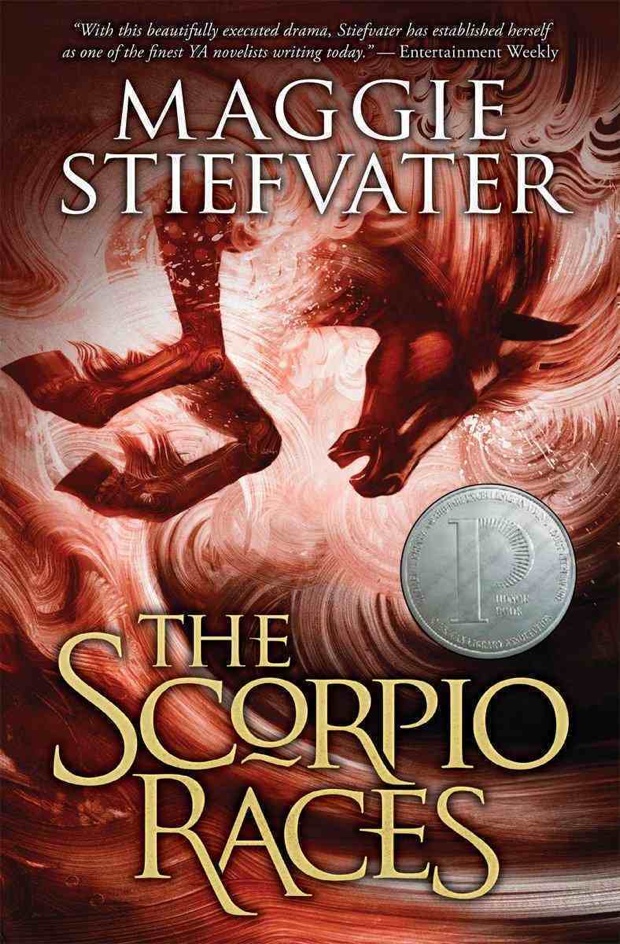
The Scorpio Races by Maggie Stiefvater*
**Book Hangover Alert
One of Stiefvater’s more underrated books I think. Like the Chincoteague pony swim, except the horses are cursed, carnivorous monsters. Every November the flesh eating water horses come out of the ocean and any man brave enough can capture, train, and race one in the Scorpio Races. But this year Puck Connolly, the first girl to enter is racing, and she has everything to lose. I love the characters and, as always, I love Stiefvater’s prose.
4/5 flesh-eating horses
Penguin Teen

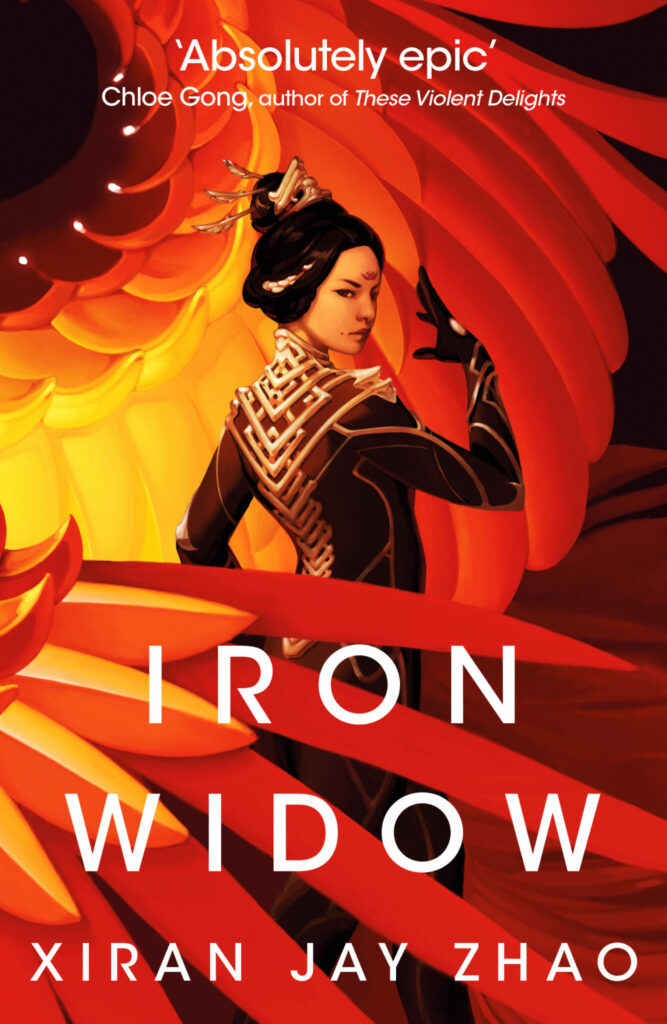
Iron Widow by Xiran Jay Zhao***
See content warnings from the author at the beginning of the book.
Reread this one because the sequel is FINALLY out! When her sister is killed by a celebrity pilot, Zeitan joins the army–which sacrifices girls to power crafts that can fight alien invaders–not to sacrifice herself but to seek vengeance for her sister. I listened to the audiobook this time, and really enjoyed the narrator’s performance. She was a perfect choice for Zeitan. You can read my original review here. I gave this book a 4 last time I reviewed it, but I think that’s a little low.
4.5/5 heroic forms

New Books Read
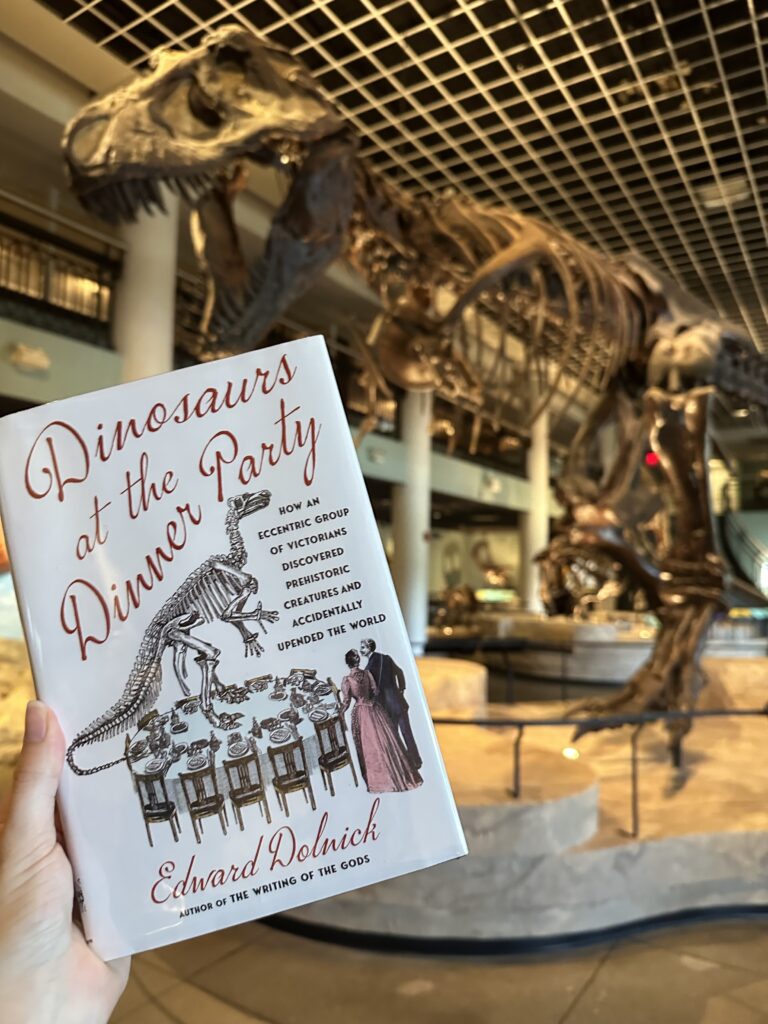
Dinosaurs at the Dinner Party by Edward Dolnick*
This book was super fascinating. It traced the early discoveries of ancient creatures in the early 1800s, the people at the forefront of these discoveries, and the way Victorian thought had to shift to make room for new ideas about how old the earth is and what kinds of creatures lived here before us. This is a very readable popular science book.
4/5 fossils
Titan Books

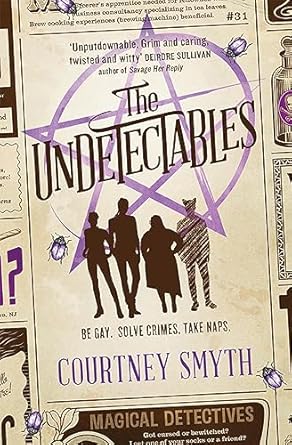
The Undetectables by Courtney Smyth***
The Undetectables book 1 of 3
This one was so fun. When three lesbian teenage witches formed the Undetectables detective agency, no one would take them seriously. But several years later, when they get the chance to investigate a real case, they can’t pass up the chance, even as the occult serial killer gets ever more dangerous. I loved the humor and the characters. I also loved the representation of a character with EDS. It’s so nice to see a protagonist with a chronic illness and see how it actually affects her life and the kinds of accommodations and work arounds she finds. I also loved that we got to see her grappling with the way her perception of herself and the way she perceives how her friends think about her since becoming disabled. I think it was written in a really relatable way.
4.5/5 ghosts with cat ears
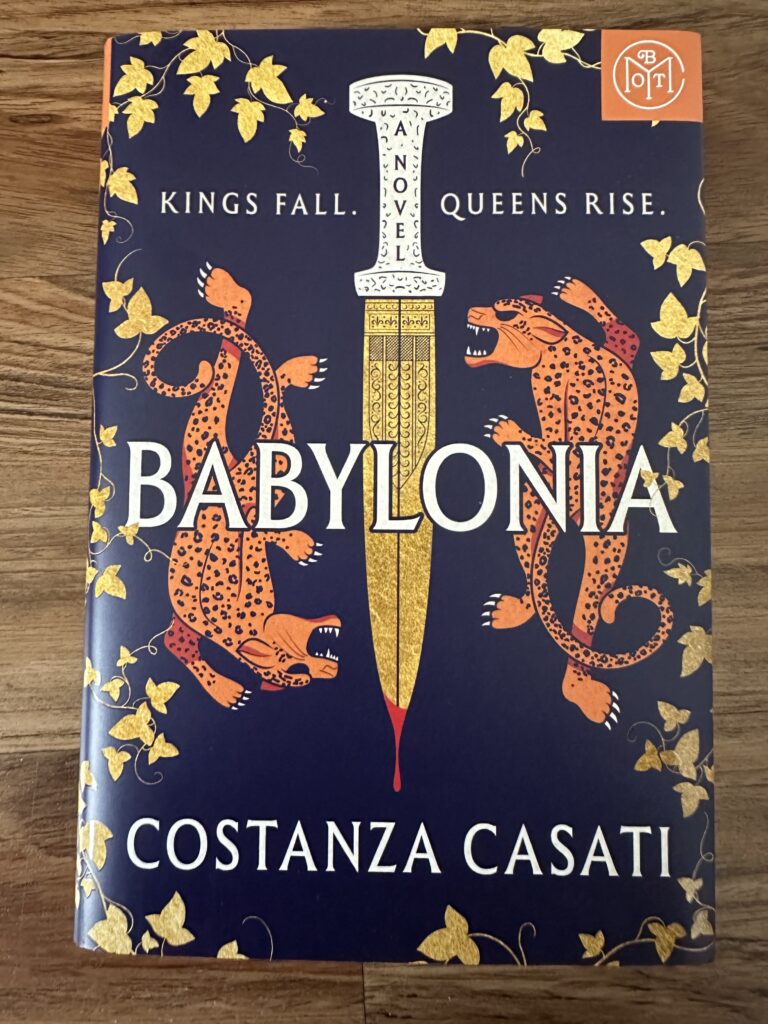
Babylonia by Constanza Casati
CW: slavery, war, gore
A sweeping historical fiction about the only known female ruler of the Assyrian Empire. This one was really cool. I didn’t know much about Assyrian Empire before reading this. I liked the world, the plot, and the characters, though the prose was a little snoozy at times.
3.5/5 leopards (how come the leopard never got a name??)
Doubleday

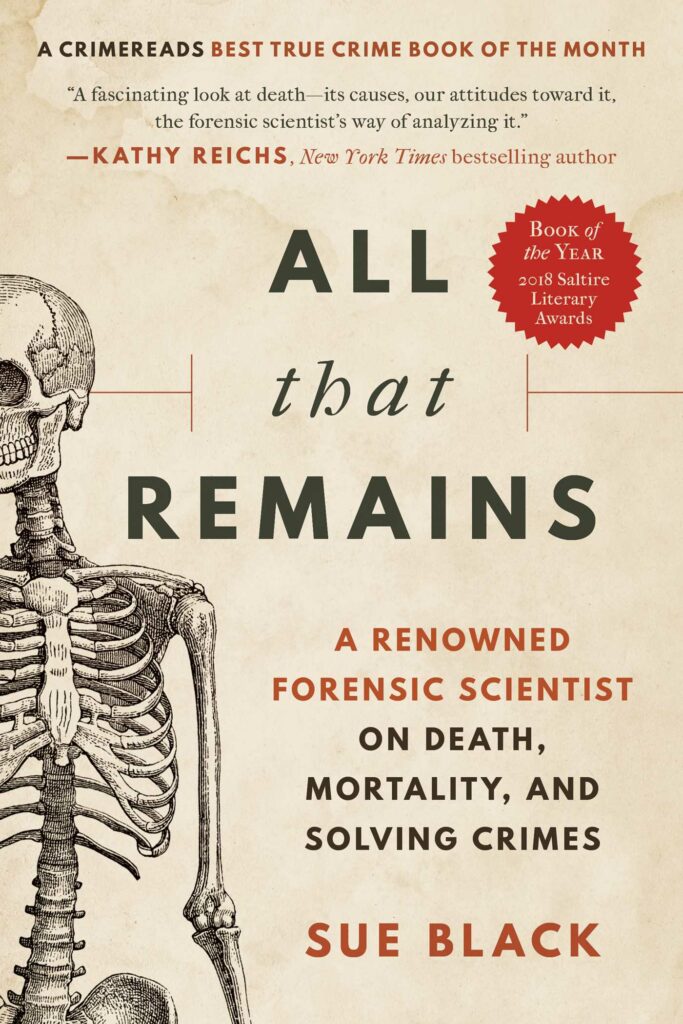
All that Remains by Sue Black
A nonfiction book by a forensic anthropologist sharing fascinating tidbits from her long career. Black does a good job balancing science and story, as well as the somewhat voyeuristic interest many of us have with the dead with the utmost respect for human remains.
3.5/5 bones
Tor Teen

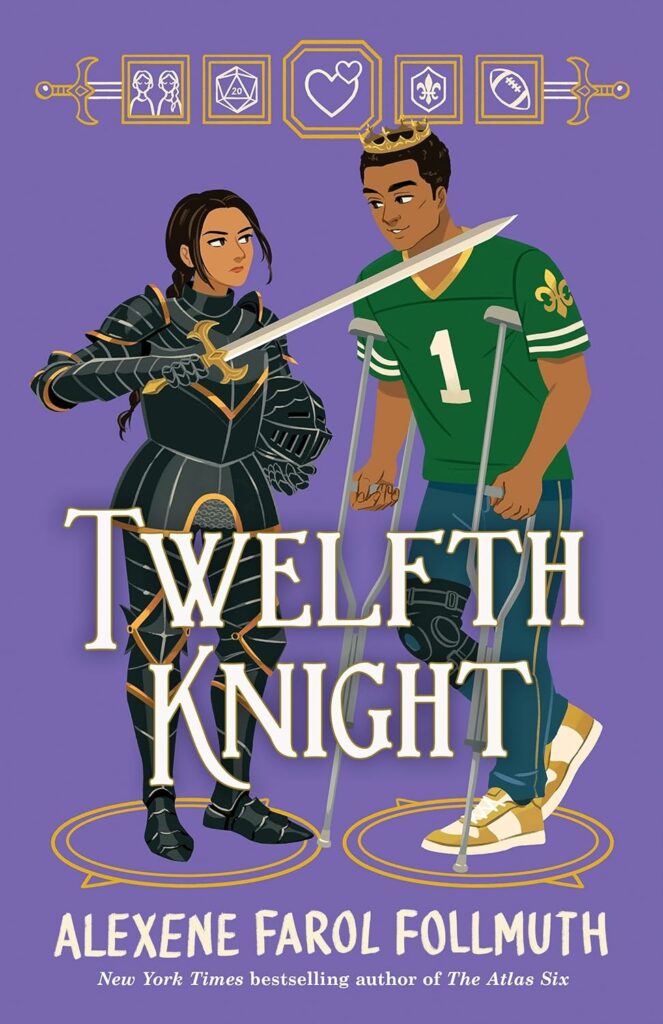
Twelfth Knight by Alexene Farol Follmuth***
I binged this in a day. A retelling of Shakespeare’s The Twelfth Knight. Student vice president Viola Reyes and student president and star running back Jack “Duke” Orsino can’t stand each other. But when Duke is injured in a game, he finds solace playing online role-playing game Twelfth Knight where he meets veteran player Cesario. But Cesario is actually Viola’s online alter-ego, the male persona allowing her a safer space in the gaming community. Can these two resolve their differences and learn that neither of them is who the other thought? This was really fun. My only critique would be that it maybe could have been a little more queer (it was a little queer, but come on, it’s Shakespeare).
4/5 cosplays
Liveright

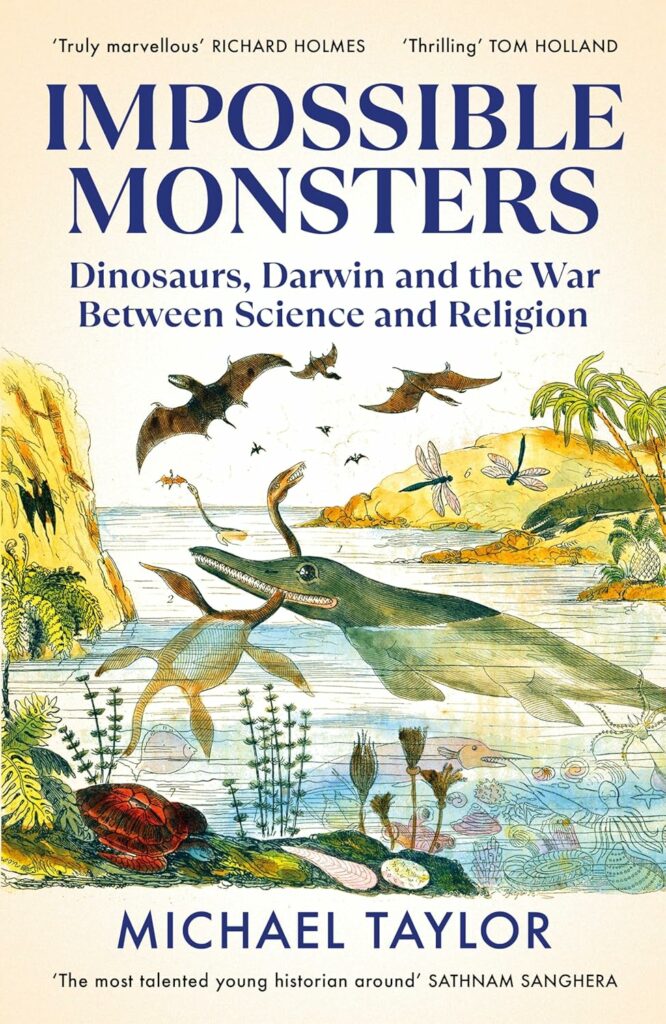
Impossible Monsters by Michael Taylor*
This one was a lot like Dinosaurs at the Dinner Party, though more in depth, more academic, and more focused on the interaction of science and religion through the 19th century. The tension between science and religion came from the shift from the study of science as a way to appreciate God’s creation to the discoveries in science refuting religious beliefs. It was super fascinating.
3.5/5 species

Books I did not finish
Simon and Schuster Books for Young Readers

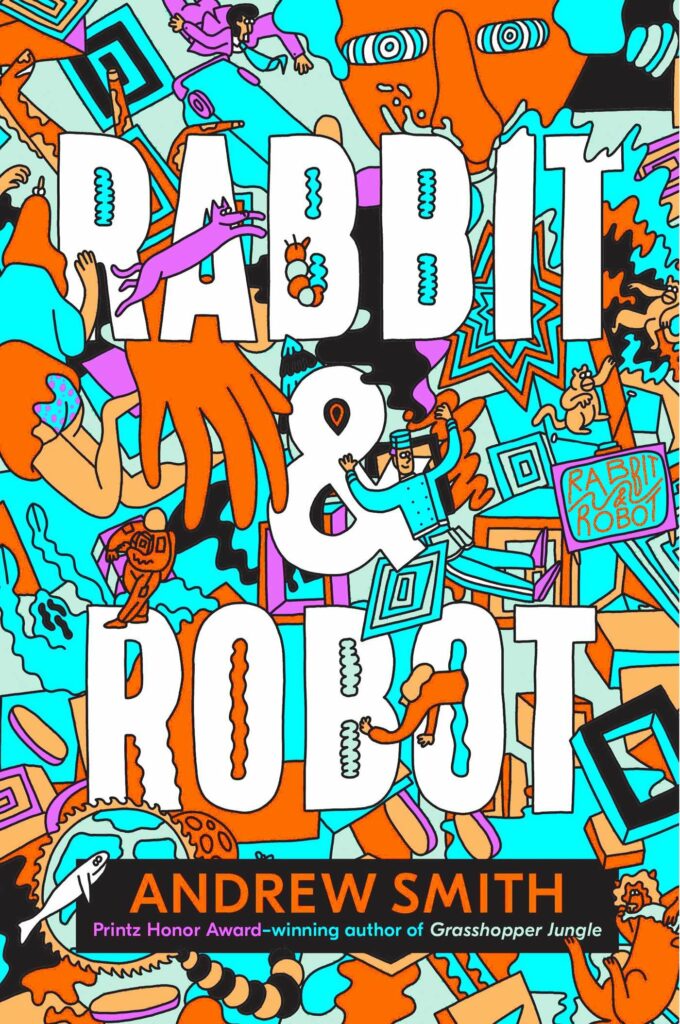
Rabbit and Robot by Andrew Smith
This is an absurd YA dystopian book. I think I could have really enjoyed this, but it was too long and too repetitive and the humor got really old really fast. I think the concept was interesting and the social critique was probably cool, though I didn’t finish it, so I can’t really analyze it.
1/5 weird androids

*This book only includes straight white cis people. 

**Book Hangover Alert indicates the kind of book that will leave you full up on love. Satisfied, but wishing the book never had to end. You’ll be laying on the floor with no idea what to do with yourself (other friends have called this feeling Good Book Depression or say that certain books necessitate Floor Time). This is the kind of book that gets its teeth in you and won’t let go easily. After the last page you’ll be thinking about this book for a long time. You’ll bother all your friends trying to get them to read it so that you won’t be alone in your Hangover.

***This book is part of my Books for a Social Conscience series! Read Iron Widow for a Chinese-inspired fantasy about a girl discovering her feminism. Read The Undetectables for queer and disabled rep in paranormal mystery. Read Twelfth Knight to learn more about women and people of color in the gaming community.

Reads marked as part of the Books for a Social Conscience series will regularly address topics like race and racism, colonialism and post-colonialism, LGBTQIA+ experience, feminism, BIPOC experience, social and political issues, history, identity, class, disability experience, immigration, gun violence, poverty, colorism, environmentalism, and more! The goal of these books is to diversify the stories we’re reading, grow our empathy for those who are different from us, and amplify voices who are often silenced.
April 2024 Books

Books Reread

Tom Doherty Associates

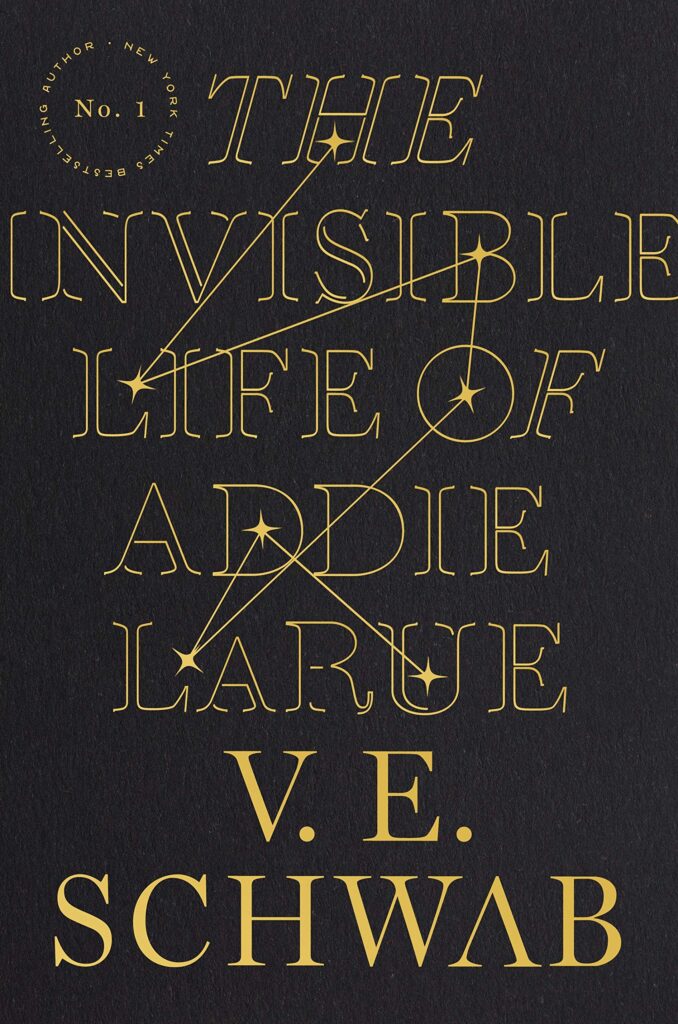
The Invisible Life of Addie LaRue
CW: abusive relationship, alcohol abuse, assault (physical and sexual), death, depression, drugs, prostitution, sexism, suicide (attempted), war
I reread this one this month as a reference for one of my MFA classes. A woman in 1714 makes a deal with the Dark to live forever. But there’s a catch, no one will ever remember her. Three hundred years later, she meets a boy who does. I’ve already reviewed this one for the blog, and you can read my original review here. I was paying more attention to the construction of the novel this time and the way information was revealed to the reader, which I thought was done quite well. Also, addressing my thoughts from the first time I read it, new editions have fixed the Rembrandt mistake. There’s still a mistake that Addie tries Champagne for the first time twice. And about the ending, I like it more now than I did the first time I read it. I love the art history aspects of the story and the way Addie learns to make her mark, but I will say, she could have been fixing climate change or stopping wars by planting ideas in the brains of powerful people, instead of just inspiring artists to make art about her. Just saying. Also, Julia Whelan reads the audiobook, and she has to be one of my favorite narrators.
3.5/5 forgotten faces

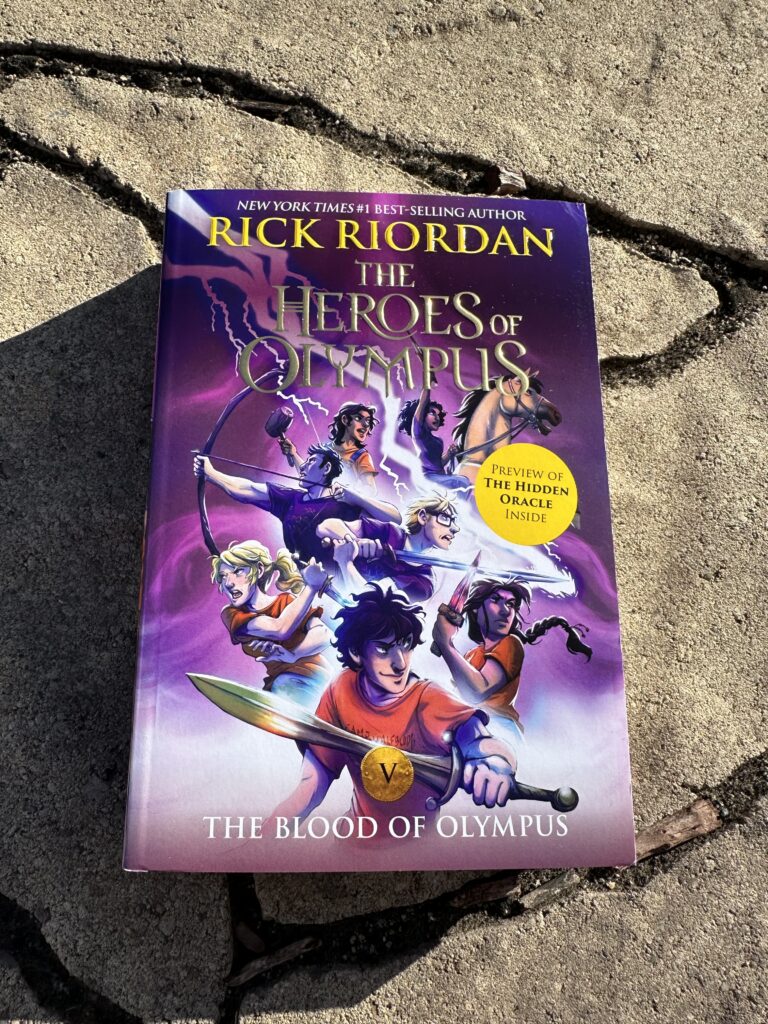
The Blood of Olympus by Rick Riordan
**Book Hangover Alert
The final installment of this wonderful series! The final smackdown with Gaia. Is it controversial of me to like this series even more than the PJO books? We love to see more Reyna and Nico and their developing friendship. We love Piper and Annabeth’s friendship. We love Nico in a Hawaiian shirt. We love Reyna being made pegasus friend (sobbing). We love Will Solace. We love Leo. We love Percy and Annabeth. This book is just excellent, and I don’t have anything else to say about it.
4.5/5 drops of demigod blood (looking at you, Percy)

New Books Read

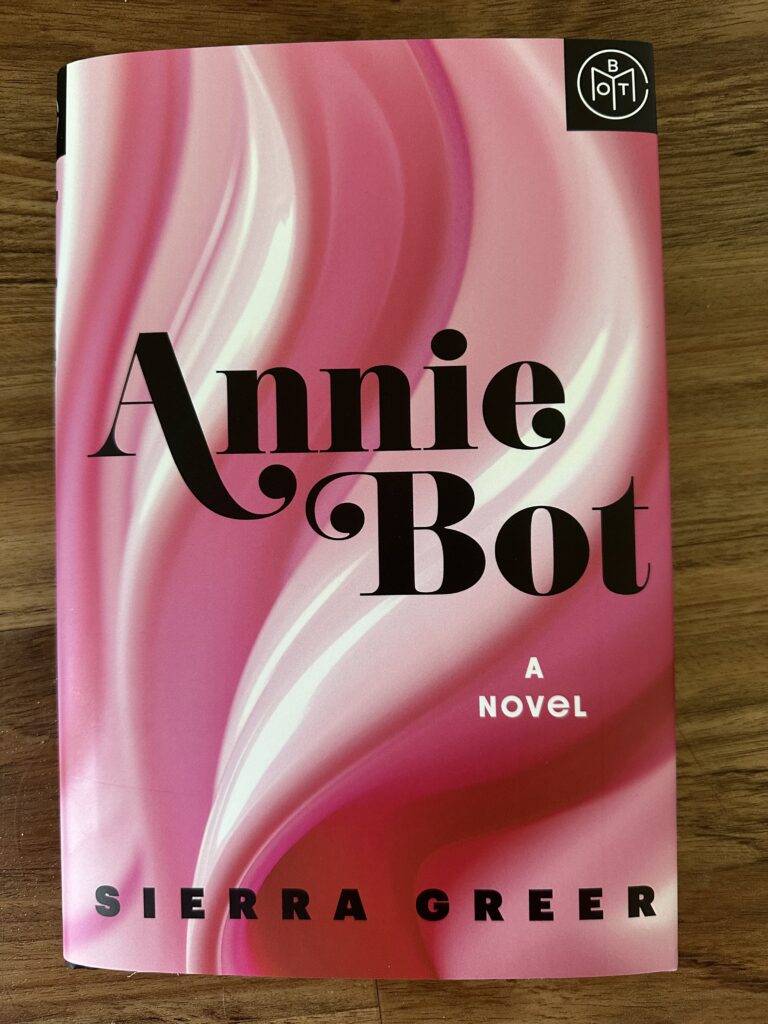
Annie Bot by Sierra Greer*
CW: sexual assault, domestic abuse, misogyny
About once a month, I just have the urge to binge read a book. This was the book for this month. I read it in one night while my roommates were at a party. Annie is an android designed to be a girlfriend for her owner Doug. But of course, Annie grows and develops and begins to question her place in the world. I liked the concept and the exploration of power, humanity, and misogyny. This reminded me a little of the Sonmi section of Cloud Atlas and a little of Ex Machina. I think the question of what constitutes personhood is really interesting, and I think the critique of women as objects is cleverly done.
3.5/5 robots

Audible

Vanity Fair by William Makepeace Thackeray*
This was not my favorite Victorian novel. It follows Becky Sharp and Amelia Sedley during the Napoleonic Wars. I liked the character of Becky Sharp and the satirizing of British society. It was a bit long, and the audio performance a bit slow (I had to speed it up to 1.2x). It was still enjoyable though.
3/5 cashmere shawls

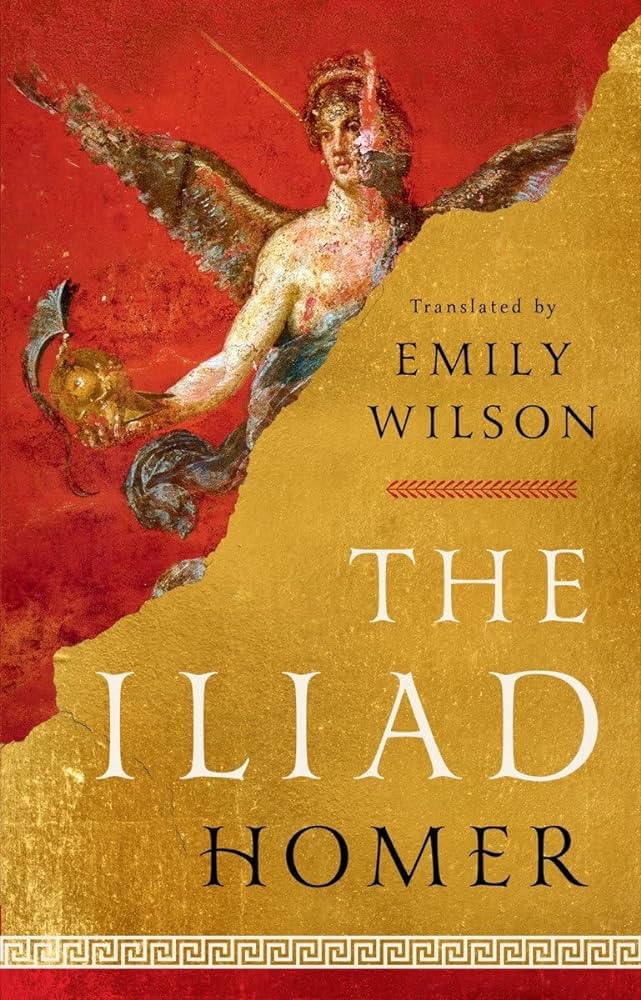
The Iliad by Homer, tr. Emily Wilson
**Book Hangover
I read Wilson’s translation of The Odyssey last year, so I was excited for The Iliad. The Iliad follows Achilles, Patroclus, and Hector during the Trojan War from the point where Agamemnon offends Achilles who then refuses to fight for the Greeks anymore, through to just after Hector’s death. I think I liked The Iliad more than The Odyssey, even though there really are a lot of names and cataloguing of the Greeks and the Trojans. I really like the poetic form Wilson uses, which lends itself so well to reading aloud, just like the original epic poem was intended. I also loved the more accessible language (Pope’s translation seems needlessly obfuscating). I recommend reading the Translator’s Note first (to get in a properly awed state), then read the poem, then go back and read the Introduction.
4/5 shields of Achilles

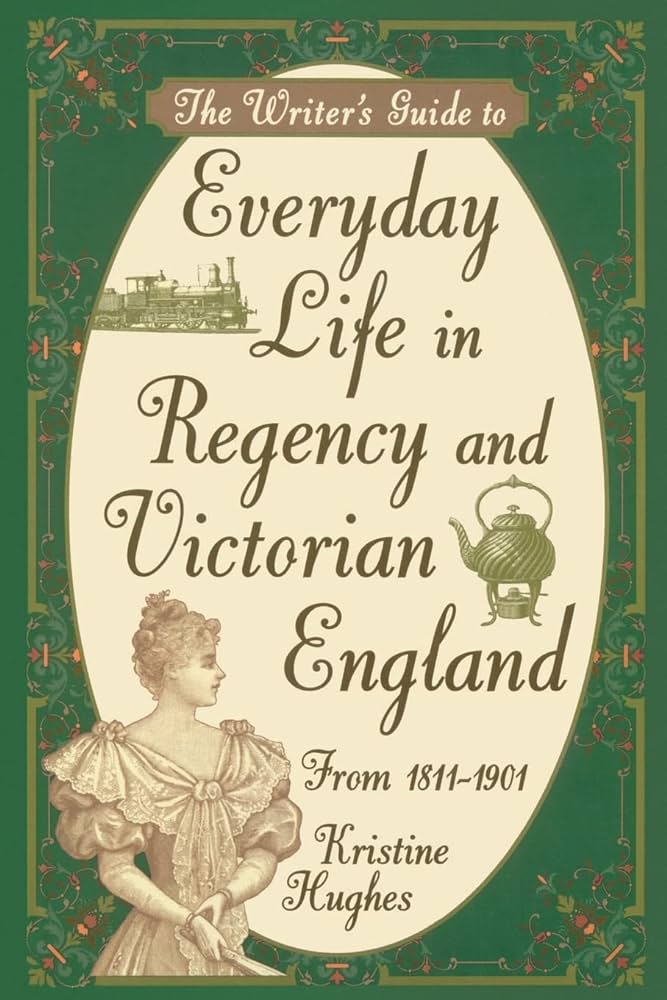
The Writer’s Guide to Everyday Life in Regency and Victorian England from 1811-1901 by Kristine Hughes*
I read this book for research for my novel. An every day history book covering the Regency and Victorian periods. It was kind of useful, but I did feel like the majority of the book focused on the 1840s instead of the whole period it says it covers. I was most interested in the 1880s so I didn’t feel like this book was super useful for me. Good background knowledge on the era, though.
2.5/5 pudding recipes

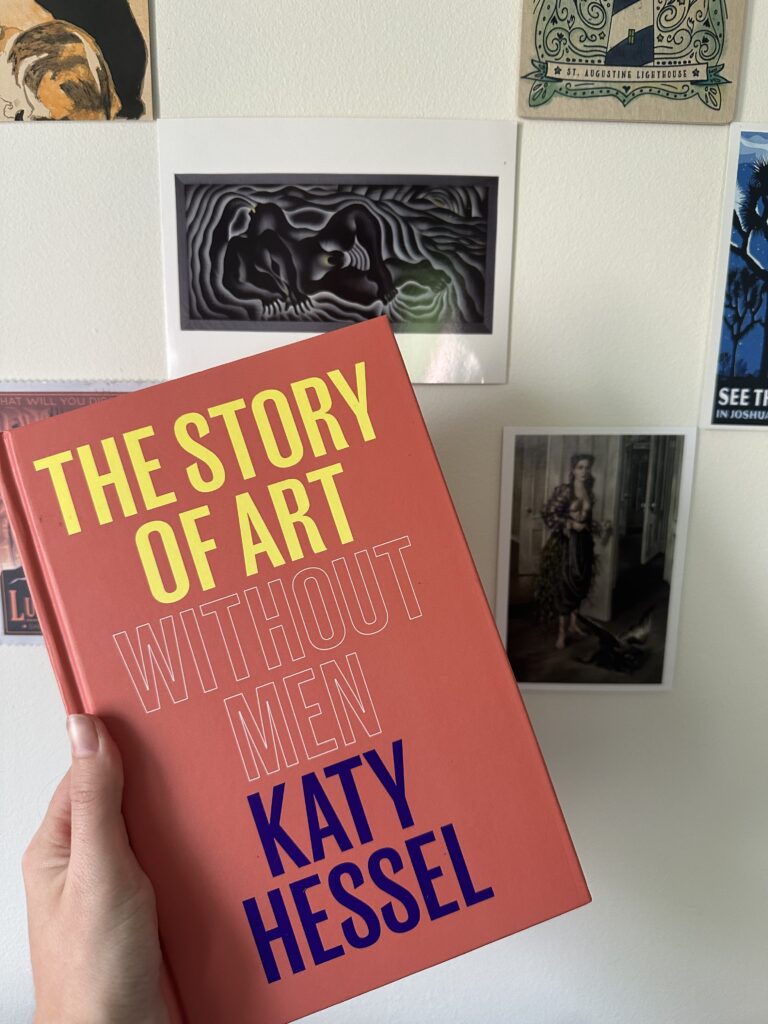
The Story of Art without Men by Katy Hessel***
This book is gorgeous and timely. Named after one of the seminal art history textbooks (The Story of Art), Hessel remedies the dearth of women in that book and shifts the focus to the many woman who have been forgotten or under-appreciated. I didn’t love Hessel’s writing style (a lot of long, overly complicated sentences), and I felt that the book could have been a little more carefully edited. But that said, it’s a wonderful work with beautiful, full-color images that finally gives women artists a little bit of the recognition they deserve.
4/5 women artists

Pushkin Press

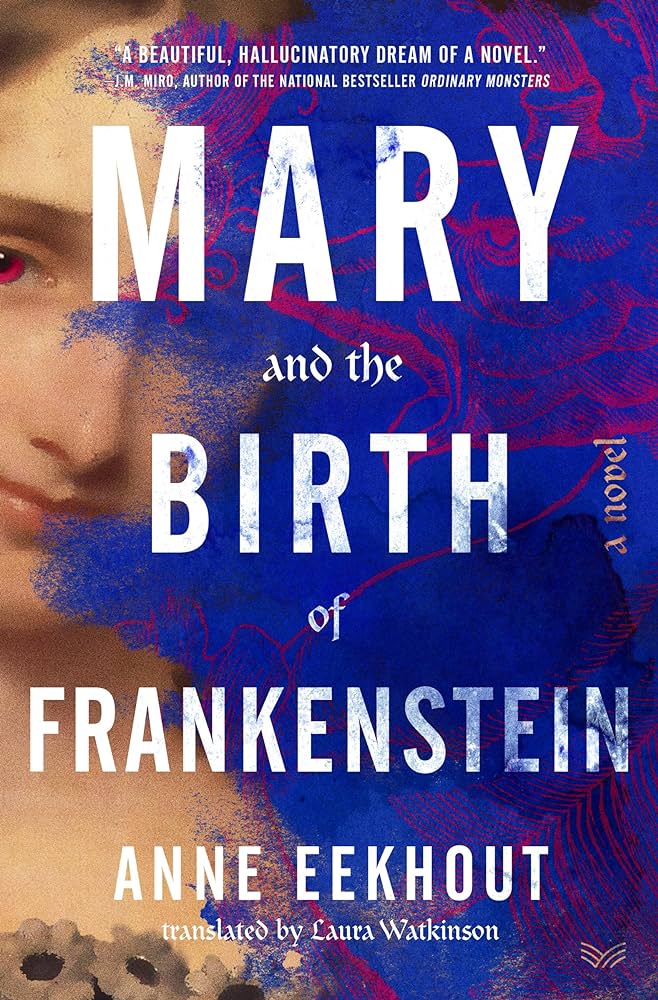
Mary and the Birth of Frankenstein by Ann Eekhout
**Book Hangover Alert
One of my current favorite genres is historical novels that imagine something about the life of a real person. This story follows Mary Shelley on the fateful trip to Switzerland where she wrote Frankenstein, and a trip she took to Scotland a few years before, weaving the two together to paint a portrait of the inspiration for one of the most famous horror stories ever written. Frankenstein is one of my favorite classics, and I loved this spooky, dream-like, magical look into the mind of Mary. Not sure how much of Eekhout’s characterization of Percy Bysshe Shelley was invented and how much was based on truth, but I found myself questioning why someone as smart and interesting as Mary wound up with him.
4/5 monsters

HarperCollins

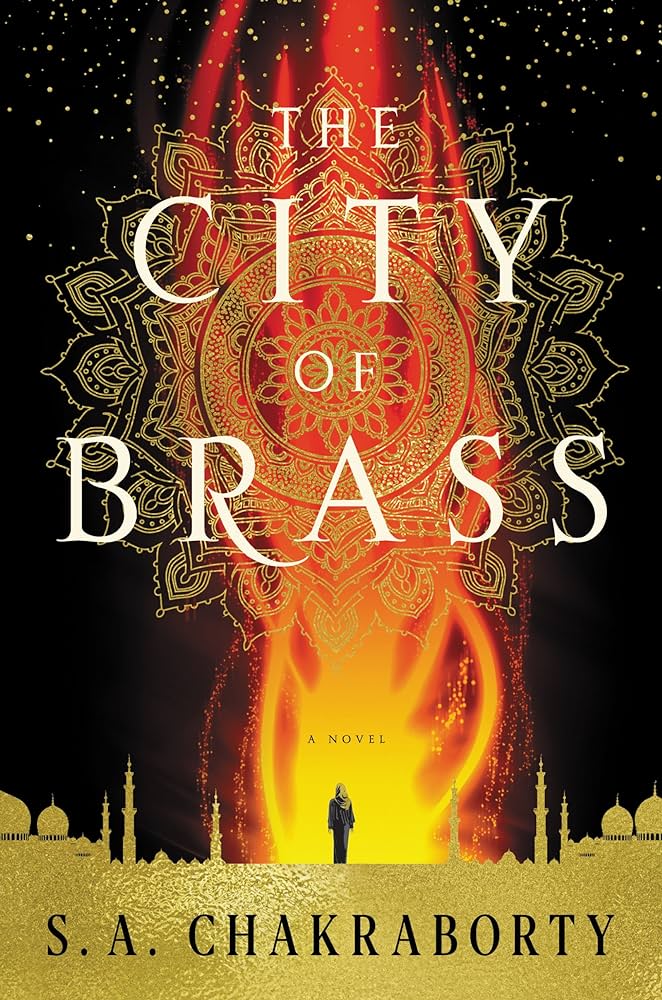
The City of Brass by S. A. Chakraborty***
**Book Hangover Alert
Daevabad Trilogy book 1 of 3
CW: fantasy racism, genocide, child trafficking
This book was excellent. Street thief scam artist Nahri accidentally calls up a djinn while doing a fake exorcism on the streets of Cairo. This results in the discovery that she is part djinn and the ifrit are after her. So the djinn she calls up takes her to Daevabad, a city of djinn, where she has to learn to survive the intrigue of the court. The whole ending was a wild ride and I could barely keep myself from throwing the book against the wall (which would have been bad because I was reading the e-version on my iPad). It was so good. I loved the world and the characters and the intrigue. Super excited to read the rest of the series.
5/5 djinn

Simon and Schuster

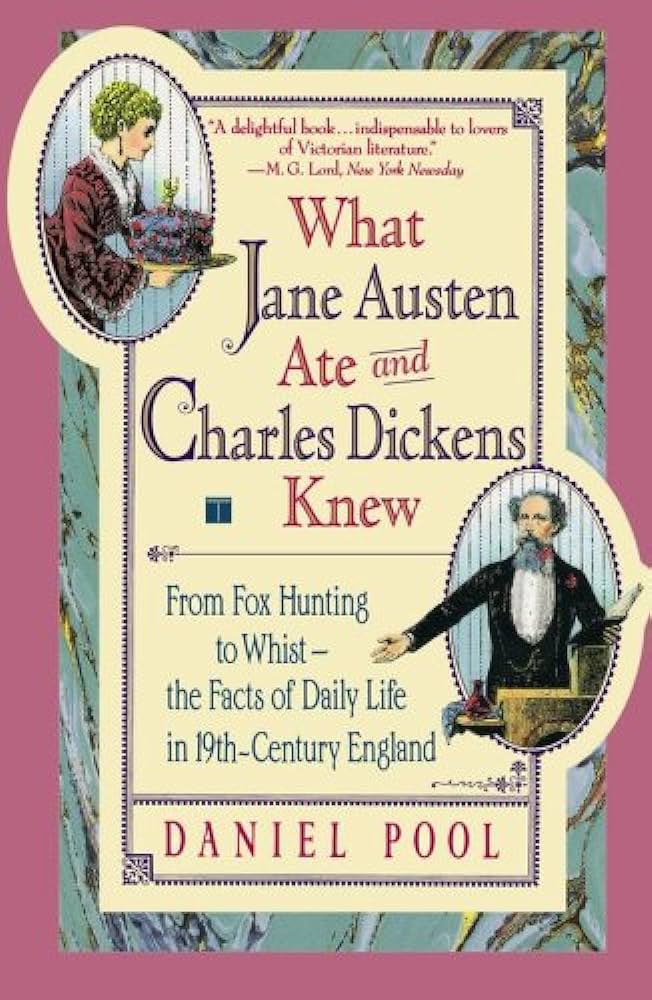
What Jane Austen Ate and Charles Dickens Knew: From Fox Hunting to Whist–the Facts of Daily Life in Nineteenth-Century England by Daniel Pool*
I read this one for research as well. It is also a Victorian history book, referencing a lot of things from Victorian novels that are confusing for modern readers. I thought it was a little more useful for my purposes than the Writer’s Guide above, but it could have had more info about death, mourning, and grieving. It does not matter how many Victorian history books I read, I will never understand what English pudding is. (One other interesting thing I learned from this book was that lady’s maids were known as abigails which is actually referenced in Annie Bot–the androids in cleaning and housekeeping mode are called Abigails.)
3/5 types of pudding

*This book only includes straight, white, cis people. The main character of Annie Bot is technically not white (the man who owns Annie the android chooses to model her on his Black ex-girlfriend, but made her skin a few shades lighter). But the book doesn’t really engage much with racism, so I’m still giving it this designation. What Jane Austen Ate and Charles Dickens Knew has one paragraph on gay men.

**Book Hangover Alert indicates the kind of book that will leave you full up on love. Satisfied, but wishing the book never had to end. You’ll be laying on the floor with no idea what to do with yourself (other friends have called this feeling Good Book Depression or say that certain books necessitate Floor Time). This is the kind of book that gets its teeth in you and won’t let go easily. After the last page you’ll be thinking about this book for a long time. You’ll bother all your friends trying to get them to read it so that you won’t be alone in your Hangover.

***This book is part of my Books for a Social Conscience series! Read The Story of Art without Men to acknowledge the amazing contribution to art that women, trans, and nonbinary people have made. Read The City of Brass for an amazing Middle Eastern inspired fantasy with some LGBTQIA+ rep.

Reads marked as part of the Books for a Social Conscience series will regularly address topics like race and racism, colonialism and post-colonialism, LGBTQIA+ experience, feminism, BIPOC experience, social and political issues, history, identity, class, disability experience, immigration, gun violence, poverty, colorism, environmentalism, and more! The goal of these books is to diversify the stories we’re reading, grow our empathy for those who are different from us, and amplify voices who are often silenced.
January 2024 Books

January’s books set a pretty high standard for the year. I hope all the books I read this year are as good.

New Books Read

Macmillan Publishers

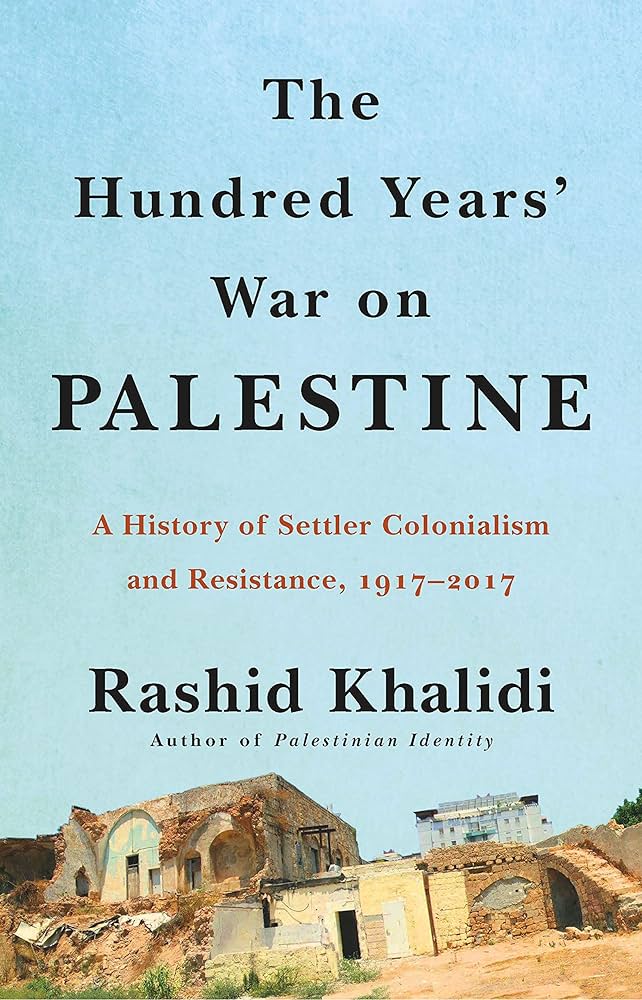
The Hundred Years’ War on Palestine by Rashid Khalidi***
CW: war
If you’re trying to educate yourself on the Israel/Palestine conflict, this is a good one. Khalidi begins his history in 1917 after the break up of the Ottoman empire and traces the impacts of various outside forces on the region. Khaldi breaks his survey int 6 declarations of war, or resolutions or accords that resulted in the continued colonization and oppression of the Palestinian people. This book has so much information in it. I think my main problem in reading it was that I didn’t have much background knowledge of the region. This wouldn’t be the book I would start with, if you’re trying to learn about Palestine, but it does have tons of good information.
3/5 declarations of war

Make Me a World

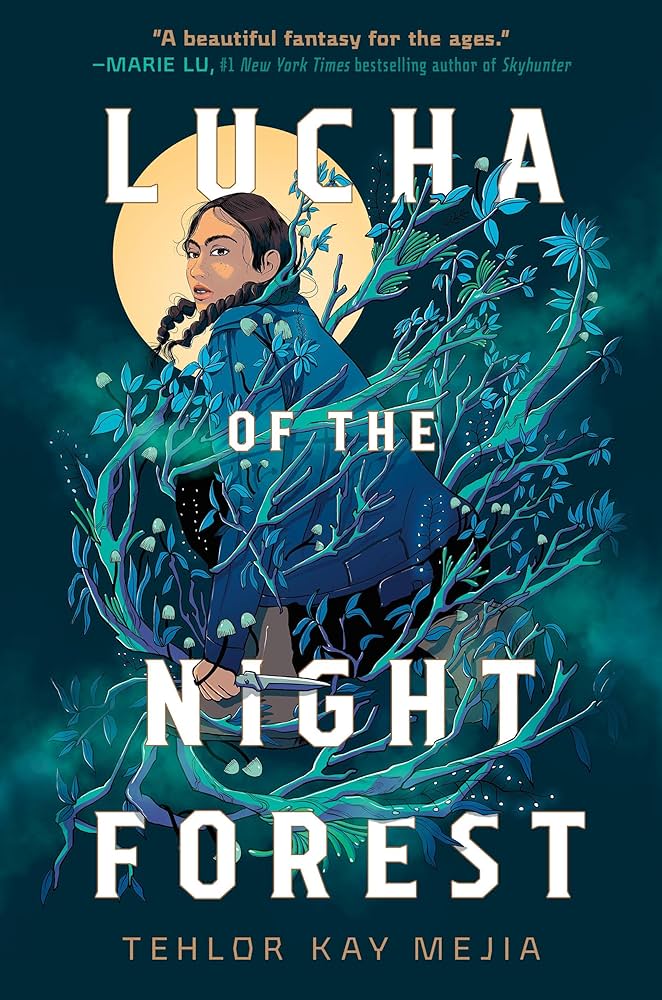
Lucha of the Night Forest by Tehlor Kay Mejia
Lucha of the Night Forest book 1 of 2
CW: addiction, substance abuse
This was a nice little dark fantasy. After Lucha loses everything, she makes a pact with a sinister god to destroy the thing that has destroyed her city, her mother, and now her sister: a drug called olvida. But there’s more to the forest–and to Lucha–than meets the eye. With the help of a priestess of the forest goddess, Lucha discovers her own powers and the secrets of the gods. This was enjoyable. I liked the world. I’m not sure it needs to be a series. I did feel like we could have solved all the problems in one book if we’d tried harder.
3.5/5 hallucinogenic hares

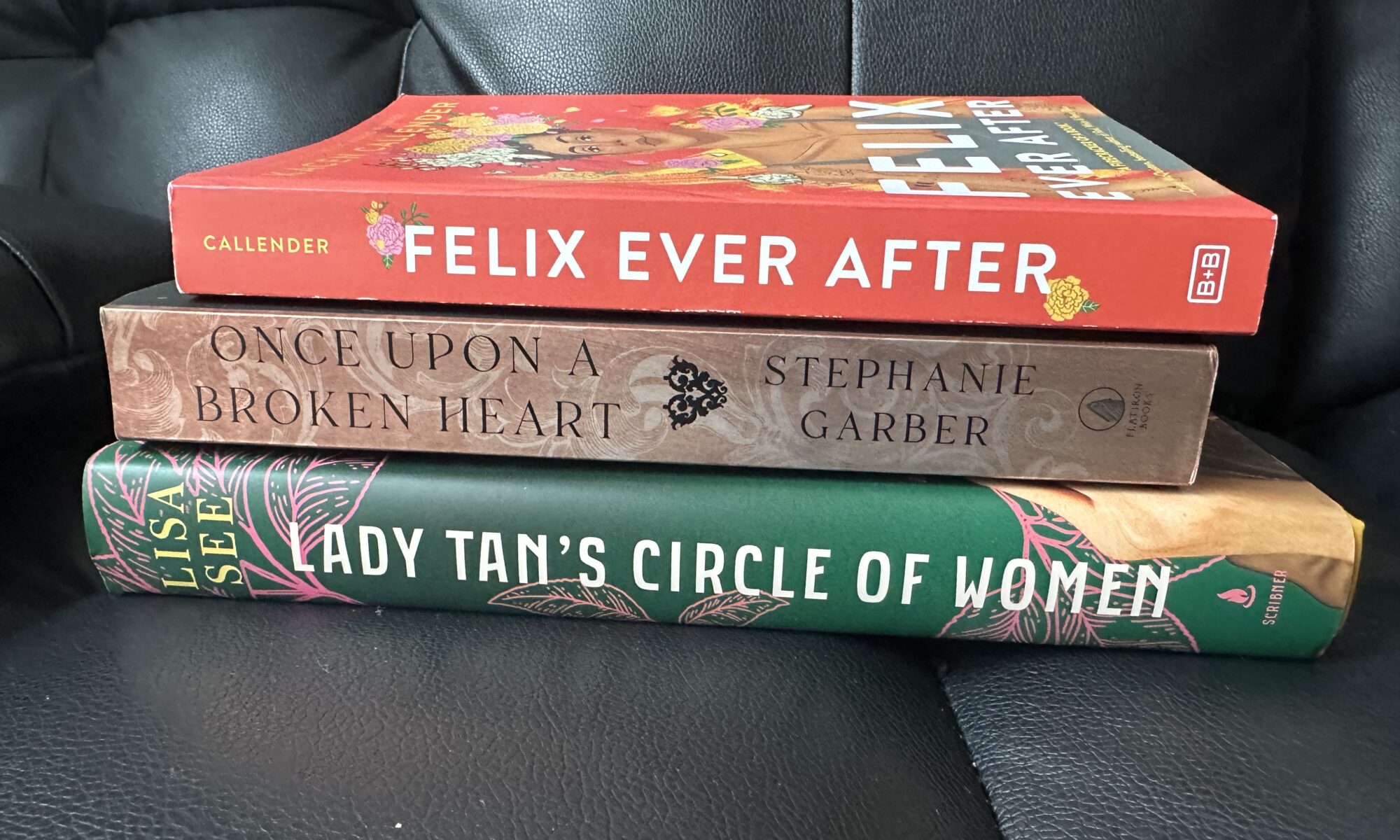
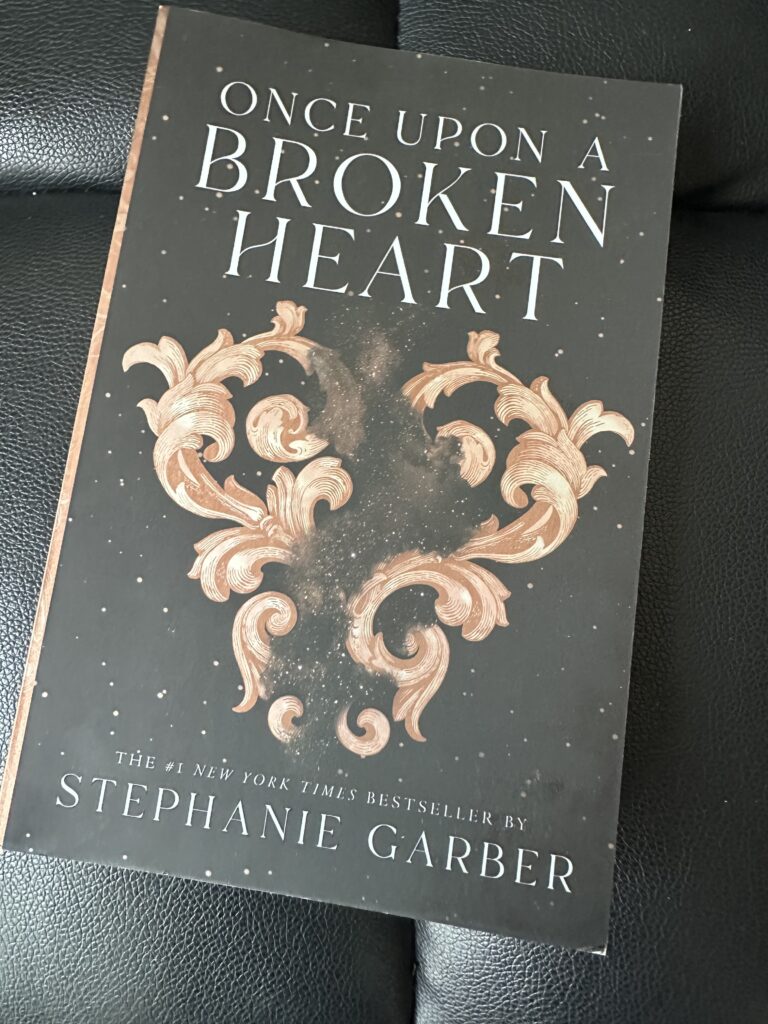
Once Upon a Broken Heart by Stephanie Garber
Once upon a Broken Heart book 1 of 3
This one was so fun. Just before the wedding of her lover and her step-sister, broken-hearted Evangeline Fox makes a wish to crafty Fate, Jacks, the Prince of Broken Hearts. This foolish wish sets off a chain of events and intrigues that span continents as Evangeline tries to find her happily ever after. This book takes place in the same world as Caraval, and I love the world Garber created. It’s also nice to see Jacks again. (How can a character with zero morals be so lovable??) Garber is also excellent at describing clothing. I want every outfit described in the book. Excited to read the rest!
4/5 gorgeous outfits

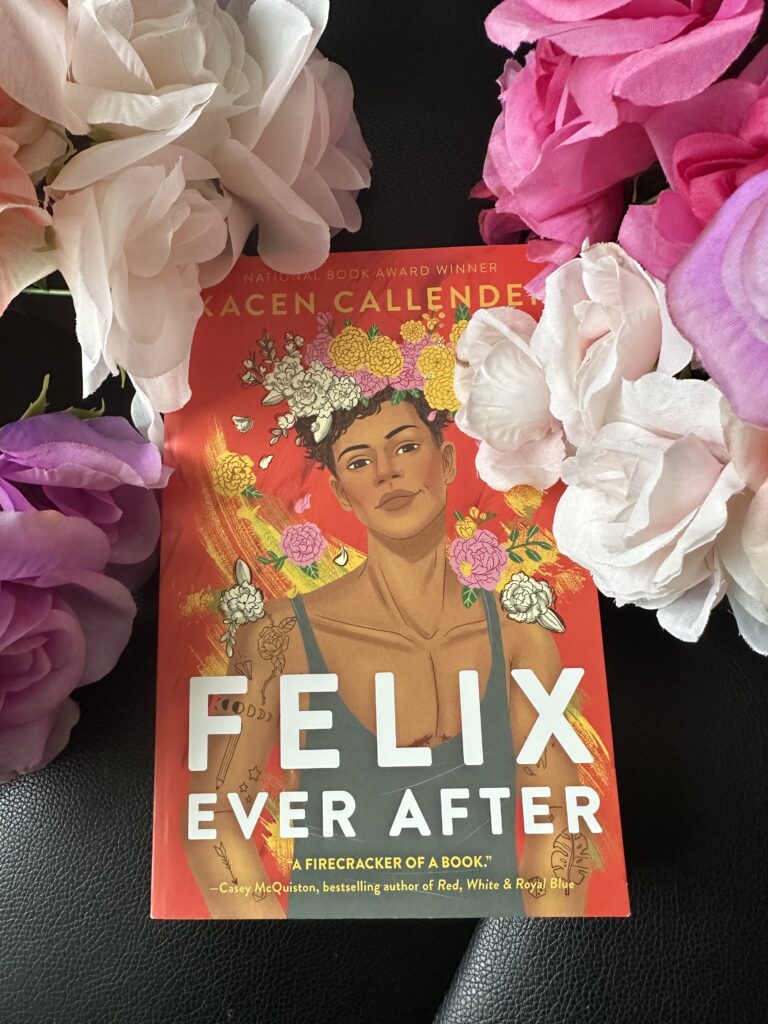
Felix Ever After by Kacen Calendar***
**Book Hangover Alert
CW: anti-trans prejudice, dead-naming, misgendering, body dysphoria
I love that I read a book whose title included the words “once upon” and then immediately read a book with a title including the words “ever after.” I just think it’s neat. Felix is a trans high schooler trying to find love and focus on his summer art portfolio for his elite high school. But Felix is being harassed online and in school by an anonymous fellow student at his school. Determined to figure out who’s behind it and get revenge, Felix is blind to the love that surrounds him. This book was so wonderful. I read the first 50 pages and then the next day I read the rest of it in one go. I could not put it down. The end was so healing and wonderful.
5/5 self-portraits


G. P. Putnam’s Sons Books for Young Readers

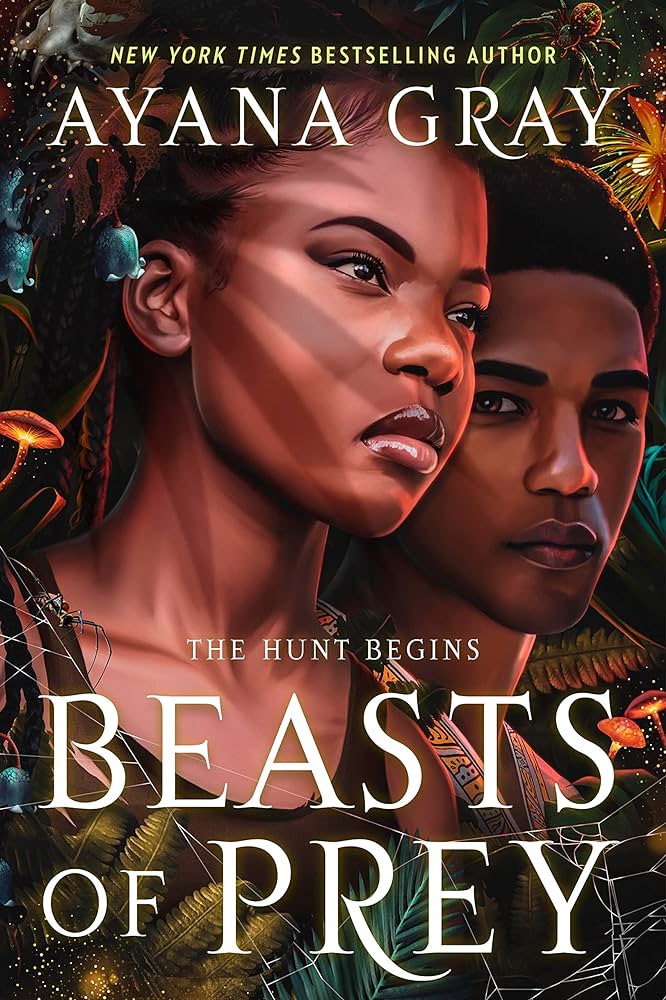
Beasts of Prey by Ayana Gray
Beasts of Prey 1 of 3
I wanted to like this book and I didn’t and I couldn’t really figure out why. After a terrible fire at the Night Zoo, indentured servant Koffi and disgraced initiate Ekon must work together to track down a terrifying beast in the impenetrable Greater Jungle. But they each have their own agenda and, worse, so does a suspiciously cult-like religious order of warriors Ekon was expelled from, who are also looking for the beast. This book has an interesting world, character development, a pretty map in the front cover. I don’t know why I didn’t like it. I just didn’t really want to keep reading it. I got to the end of every chapter, and I was like, I could be done now. Maybe I just wasn’t the target audience (which is okay!). I did finish it because I didn’t feel it was fair to give up when I didn’t even know why I didn’t like it. But I won’t be reading the rest of them.
3/5 jungle beasts

Pan Macmillan UK

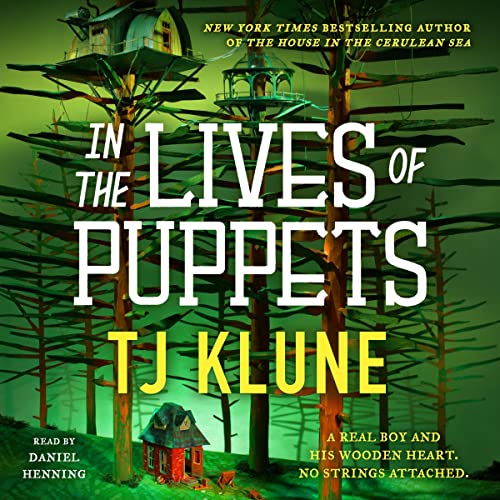
In the Lives of Puppets by TJ Klune
**Book Hangover Alert
Obsessed with TJ Klune. I loved The House on the Cerulean Sea, and I love this book too. Think Pinocchio + Wall-e, with a dash of Frankenstein–if Frankenstein had loved his monster instead of fearing him. Obsessed. Victor grows up in the woods, the only human raised by three robots on the edge of civilization. After Victor’s father (also a robot) is destroyed and taken to the city, Victor and his robot friends must go on a journey to save him–and also the world. We love to see asexual representation, and this book has it. For me, there was exactly the right amount of romance in this book (which I do realize means less than most people seem to want). Also I want to say that the narrator of the audiobook is 10/10. This book is a warm hug. It’s hilarious. It’s poignant. It’s devastating. It’s beautiful. I adored it.
5/5 robots

Tor Books

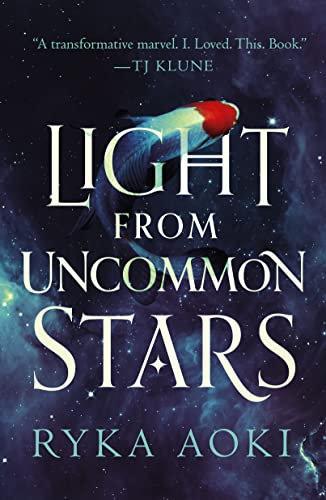
Light from Uncommon Stars by Ryka Aoki***
**Book Hangover Alert
CW: anti-trans prejudice, misgendering, body dysmorphia, dead naming
This book was a wild ride from start to finish. Shizuka Satomi, a famous violin teacher, is looking for her seventh and final student, whose soul will complete the bargain Shizuka made with Hell. Shizuka finds Katrina, a young trans violinist, who has been forced to run away from home. But both Shizuka and Katrina get a little more than they bargained for and discover the secret to escaping Hell. There are also aliens building a Stargate in a giant donut. This book is just so good. Also a warm hug. So healing and lovely. The research Aoki had to do for this book just astounds me. And don’t read this book on an empty stomach. The food descriptions are incredible.
5/5 donuts

GMP

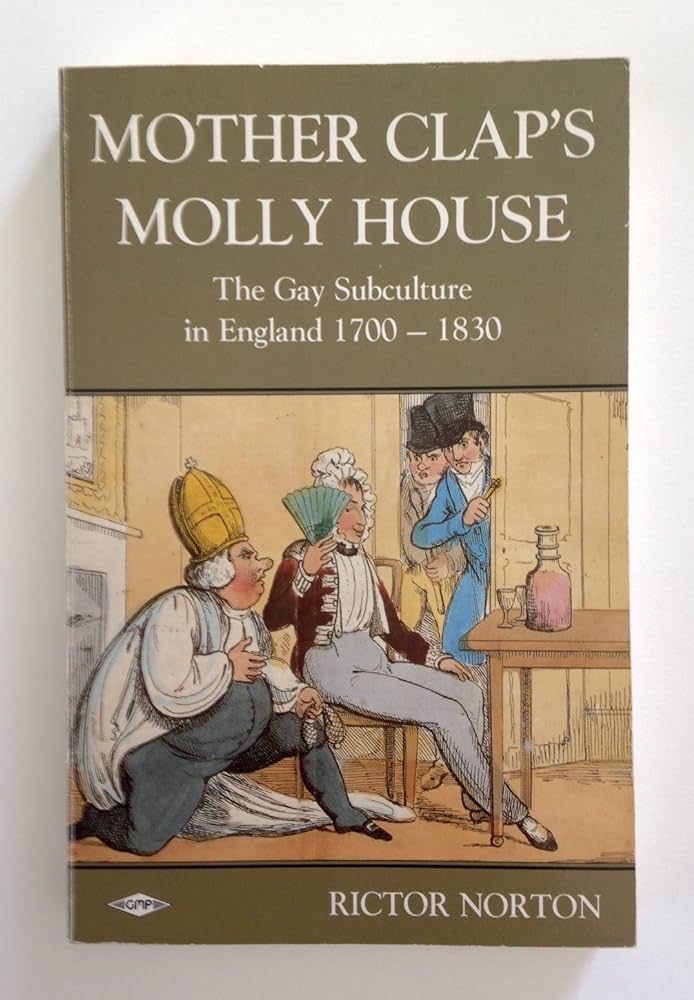
Mother Clap’s Molly House by Rictor Norton***
CW: homophobia, rape, pedophilia
I’ve been trying to get my hands on a copy of this book for ages, and I finally got it through inter-library loans at Drexel. Norton’s book explores the formation of a gay subculture in England between 1700 and 1830. This includes the examination of molly houses, or the first gay clubs. It was so fascinating. There’s so little research out there on molly houses, so I’m glad I finally got to read this book.
3.5/5 molly houses

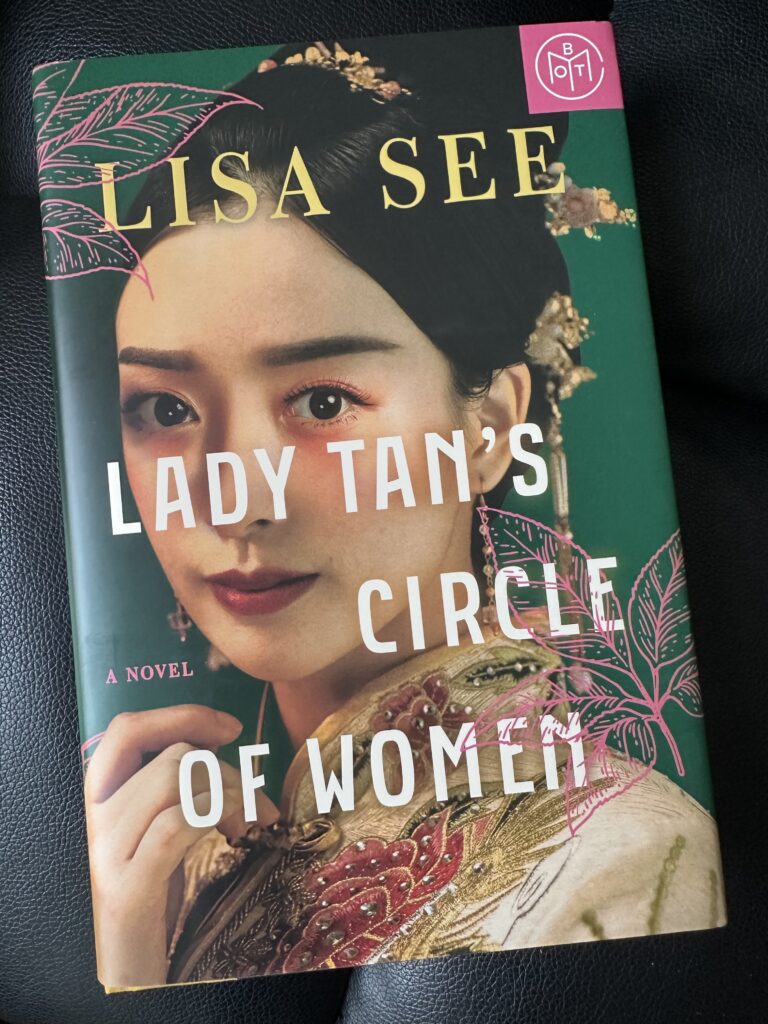
Lady Tan’s Circle of Women by Lisa See***
**Book Hangover Alert
CW: foot binding, misogyny
This book was stunning. A sweeping historical fiction that follows the life of Lady Tan Yunxian, a woman doctor who really lived during the late 1400s and early 1500s in Imperial China. Though we have some documentation about Lady Tan, much about her life remains unknown. See creates an incredibly vivid nuanced portrait of Yunxian and the lives of women in this time period. It’s a wonderful story of women’s friendship and how woman can thrive in a society designed for and by men. I will say the descriptions of foot binding were very difficult to read. I’m in pain just thinking about it. Also so impressed by the amount of research See did.
4.5/5 remedies

DC Comics

V for Vendetta by Alan Moore and David Lloyd
CW: torture, genocide, experimentation on humans, rape
Randomly decided to read this because I was thinking about a quote from the movie. This series of comics follows V, a mysterious masked vigilante as he works for vengeance and anarchy in a near-future Great Britain. It’s actually surprisingly different from the movie. I guess serialized comics are a much different shape than a 2 hour movie. I know Alan Moore also hated the movie. The comics are less about the people organizing to overthrow the government and more about vengeance and anarchy. The government men in the comics in general had more nuance (although I couldn’t keep them all straight), and it was disappointing that two of the five female characters in the comics didn’t get to be in the movie. Moore and Lloyd’s comic was interesting in that it came out in the 80s and 90s and it had more than just one type of woman. It’s not perfect, but it’s surprisingly good in it’s female representation. Also the oppressive authoritarian government thing, unfortunately still relevant. One more thing, but it’s a spoiler. Read More: SPOILERS AHEAD

I’m not sure I can forgive V for torturing Evey, even if it was to teach her something, “to free her” from the oppression in her mind, even if she forgave him. However, I’m not sure the comics really ask me to forgive him. The movie does, and I think that’s why I’ve always felt weird about it. But in the comics, I don’t feel like I’m asked to excuse V’s behavior. He’s not a good guy. He’s bringing down an oppressive regime, yes, but he’s not noble. Or at least, that was my interpretation.


3.5/5 Guy Fawkes masks

***This book is part of my Books for a Social Conscience series! Read The Hundred Years’ War on Palestine for an in-depth look at conflict in the region. Read Felix Ever After for a heartwarming LGBTQIA+ love story. Read Light from Uncommon Stars for a warm hug of a book that deals with LGBTQIA+ themes. Read Mother Clap’s Molly House to learn more about gay and lesbian history in England. Read Lady Tan’s Circle of Women for an empowering tale of women in Imperial China.

Reads marked as part of the Books for a Social Conscience series will regularly address topics like race and racism, colonialism and post-colonialism, LGBTQIA+ experience, feminism, BIPOC experience, social and political issues, history, identity, class, disability experience, immigration, gun violence, poverty, colorism, environmentalism, and more! The goal of these books is to diversify the stories we’re reading, grow our empathy for those who are different from us, and amplify voices who are often silenced.

March 2021 Books

New Books Read

HarperCollins

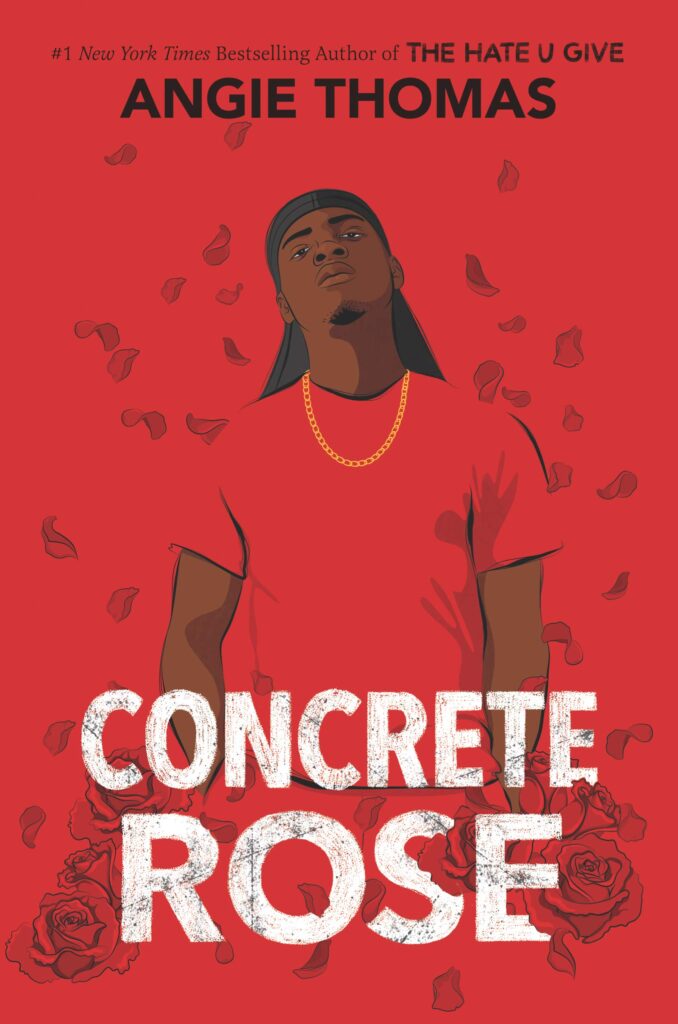
Concrete Rose by Angie Thomas***
CW: unintended pregnancy, gang violence, drugs, and gun violence
I love that Angie Thomas’s books all take place in the same neighborhood. This book focused on Maverick Carter, Starr’s father from The Hate U Give. (If you haven’t already read that book, seriously, what are you waiting for?) Thomas is a master at creating characters and distinctive voices. This book was hard to put down, the tension building masterfully. I loved the way this book examined toxic masculinity, particularly in the Black community, and teenaged fatherhood. I feel like there are a lot of books about teenaged mothers, but not as many that address what it’s like to be a teenaged father. This book also breaks the stereotype of the absent Black father and invites us to examine the systemic barriers and racism that can lead to a father being absent. I liked it a lot, though probably not quite as much as Thomas’s first two books; I am really fond of Starr and Bri.
4/5 new babies

Tom Doherty Associates

The Invisible Life of Addie LaRue by V. E. Schwab
CW: abusive relationship, alcohol abuse, assault (physical and sexual), death, depression, drugs, prostitution, sexism, suicide (attempted), war
I read another book last year about an immortal and I was so disappointed that a character who had been alive for 400 years could be so boring. I did not have that problem with this book. I really liked Addie as a character, in fact I liked all the characters. It’s also always nice to see casual LGBTQ+ characters that are secure, even when that’s not the main focus of the story. I liked Schwab’s writing style and the way the story wove forward and back through time. The only thing I wasn’t really sold on was the ending. I’m still not sure how I feel about it. Have you read it? What did you think? Also, one more thing. Schwab has a character who is getting her PhD in art history and she misidentifies Girl with a Pearl Earring as a Rembrandt. It’s a Vermeer. Editors??? You just missed that one???
3.5/5 forgotten faces

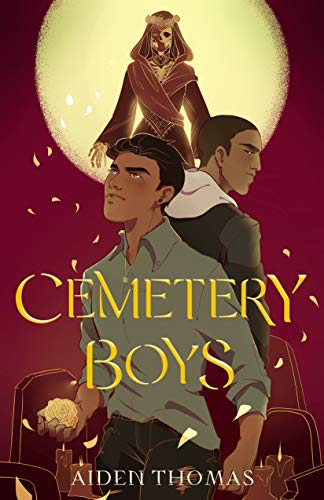
Feiwel and Friends. I had a whole photoshoot at the cemetery planned and then I remembered I read the e-book on Libby and I didn’t have a physical book to photograph.

Cemetery Boys by Aiden Thomas***
CW: transphobia, character abuse (off-page), deadnaming of a trans character, death (parental), gender dysphoria, homophobia, misgendering of a trans character
This book was hyped a lot on Book Tok and Bookstagram and I was so ready to love it…and then I didn’t. I really wanted to love it. I thought the concept and cultural context was super cool, but I was not into the writing style. The language was repetitive and cliched. I found the character of Julian kind of obnoxious, which the protagonist, Yadriel, finds endearing, but I didn’t find it that endearing. I thought the pacing was off; there’s a big mystery to solve and Yadriel is still going to school and coming home on time for curfew? I know Yadriel was pretty straitlaced, but he was willing to skip school to make out with Julian, so it seems like he should be willing to skip school to find the murderer. I feel like I figured out the mystery long before Yadriel did, like he didn’t even try that hard. NOW, that being said, somewhere there’s a Latinx trans kid (or many) who is reading this book and feeling seen and validated for the first time in their life and I am so happy for them.
3/5 human sacrifices

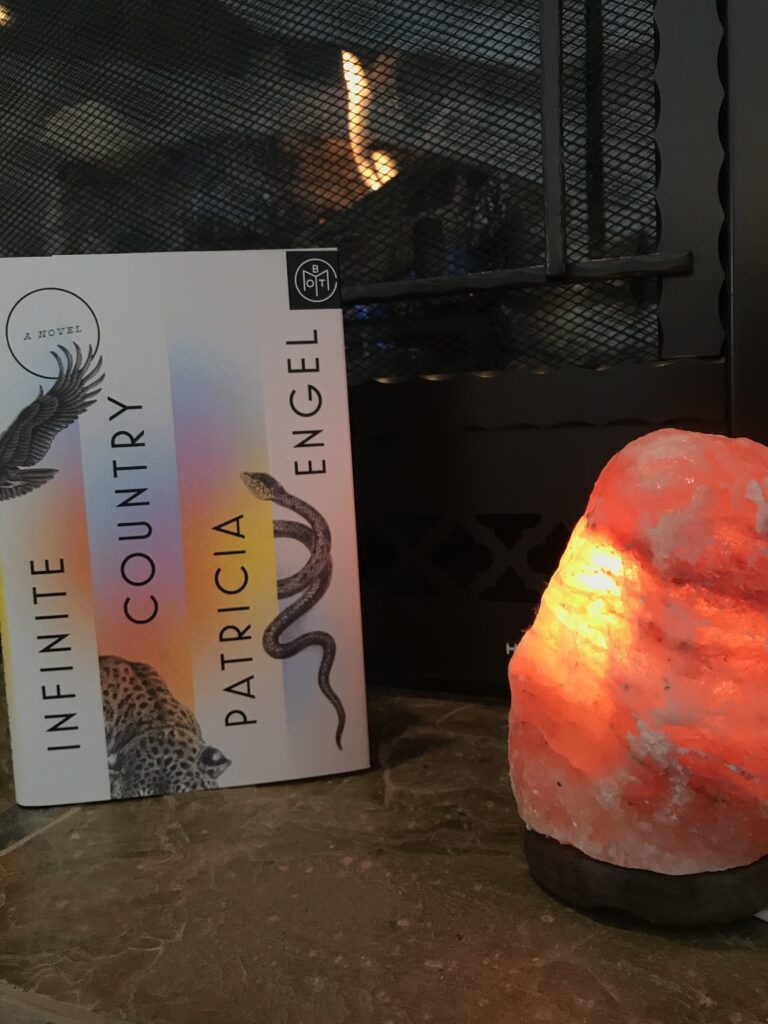
Infinite Country by Patrica Engel ***
CW: assault (sexual and physical), sexual harassment, racism, alcohol abuse
This was my February Book of the Month and I read it straight through during the big snowstorm in Colorado. This book was gorgeous. The writing was absolutely beautiful and achingly sad. It is a story of a family separated across borders between the US and Colombia and examines themes of family, illegal immigration, justice, and loss. The characters were so human and the story of illegal immigration so universal and yet still personal. This is a great book to read to grow your empathy for immigrants and understand why so many are trying to come to the United States, even when our country is arguably not much better than theirs in terms of safety and opportunity. While it can seem like many immigrants come to the US and “why don’t they just come here legally?” it’s so important to remember how difficult it is to come here legally and it’s important to remember the role the US government has played in destabilizing Latin American governments and backing military dictators. Infinite Country is a searing portrait of a Colombian family trying to achieve their American Dream. 
4.5/5 correctional girls schools

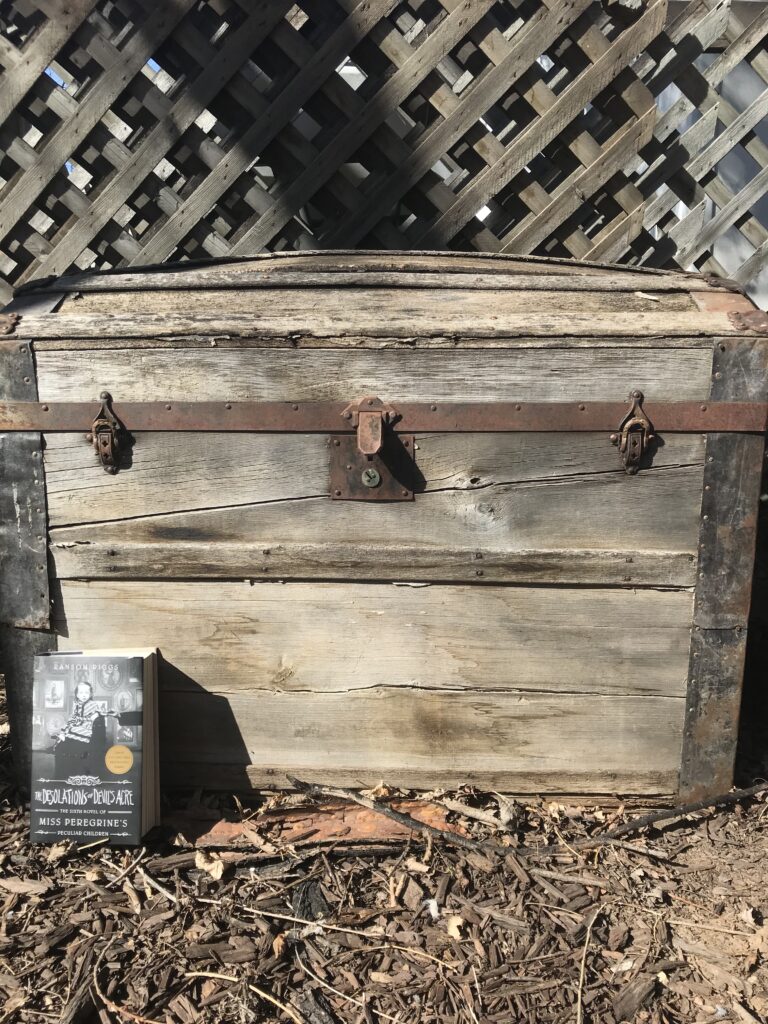
The Desolations of Devil’s Acre by Ransom Riggs
Peculiar Children book 6 of 6
The final book in the series! This whole series was pretty solid. I enjoyed reading every book. I like Riggs’s style and character development. It’s hard to have a lot of characters and make each of them distinct, but I think he does a good job. He also writes good dialogue, and I liked how the dialogue reflected well if the characters were older or from England or the US. Often it can seem that a writer is really forcing old fashioned or dialect dialogue from a place that isn’t where the author lives. Not to give away any spoilers, I was happy with the ending, though I do think it’s a bit tiresome that Miss Peregrine is always telling the children (some of whom are like a hundred years old) to stay home because saving the world is too dangerous. Like hasn’t she figured out yet that, 1) they won’t listen to her, and 2) she can’t save the world without them? I also think it’s a little annoying that Jacob is always sneaking off to save the world himself so as not to endanger his friends. They are all as willing to die to save the world as he is, and they’re more likely to save the world if they work together.
3.5/5 peculiar abilities

Chronicle Books

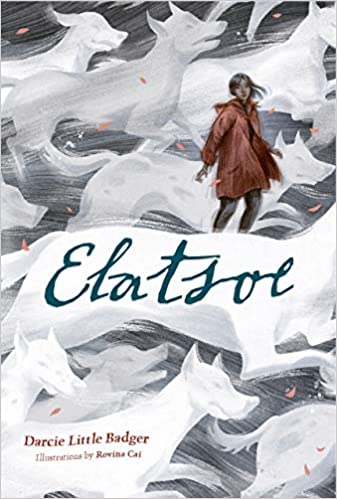
Elatsoe by Darcie Little Badger***
CW: racism, classism, death of a family member, grief
Surprisingly and entirely coincidentally, this book was a little like Cemetery Boys in that it’s about young people who can raise ghosts and and a mysterious murder. I did like the writing style more than Cemetery Boys though. I also loved reading about Lipan Apache characters and the way storytelling was woven into the narrative. I was intrigued by the world in Elatsoe, but I also feel like I could’ve done with a little more information/explanation about it. I also appreciated that Ellie, the protagonist, and Jay were working hard to solve the mystery (as I didn’t feel Yadriel in Cemetery Boys was), and I only solved a few pieces of the mystery before Ellie. My only critique is that Ellie was a 17-year-old character that read to me more like a 12-year-old. I’ve been thinking a lot about it and I haven’t figured out why she came across that way to me. I also think it’s important to point out that a lot of YA has 17-year-old protagonists who act like adults, which is not how real 17-year-olds act, so maybe media has created a bias?
3.5/5 ghost dogs

Books read for the Community Cats Podcast

My book reviews CCP blog post can be found here.

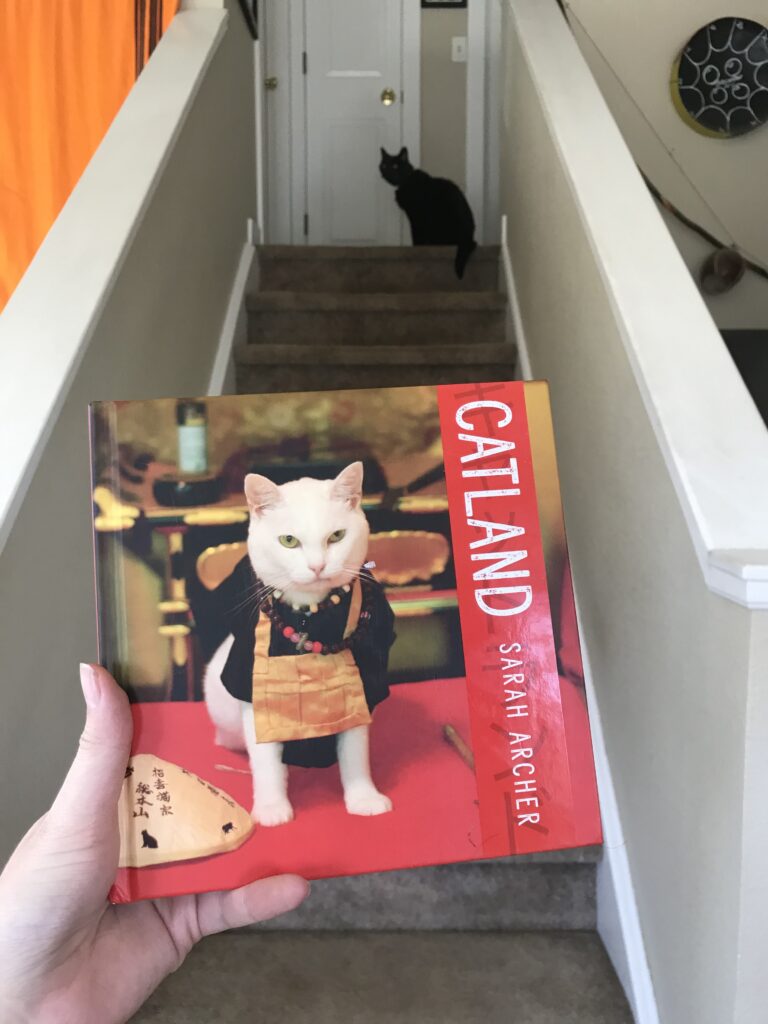
Catland: The Soft Power of Cat Culture in Japan by Sarah Archer 
I first heard about this book on Episode 377 of the Community Cats Podcast. If you’ve listened to the episode (which I highly recommend), you’ll know all about Archer’s book Catland: The Soft Power of Cat Culture in Japan, which, since I first heard about, I’ve been super excited to read. Archer is a writer, curator, and design and material culture historian, and in Catland, she examines Japan’s fascination with cats through the ages. The book is filled with gorgeous color images of life with cats in Japan and it is truly a joy to look through. Archer explores Japan’s rich history of cats, including in woodblock prints from the Edo period and the proliferation of the maneki neko, or beckoning cat as a symbol of welcome and luck, the concept of Nekonomics, or the net economic benefit that cats or cat imagery bring to a community in Japan, and the arts and crafts industries that cater to cats and cat lovers. The book is full of charming locations like shrines full of resident cats, cat cafes, bathhouses and train stations with cat mascots, cat pop culture icons like Hello Kitty and Doraemon, and kawaii (cute) products and characters. Archer definitely convinced me that Japan should be the next location on my travel wishlist (as soon as we can travel again!).
Rating: 5/5 Hello Kitty keychains

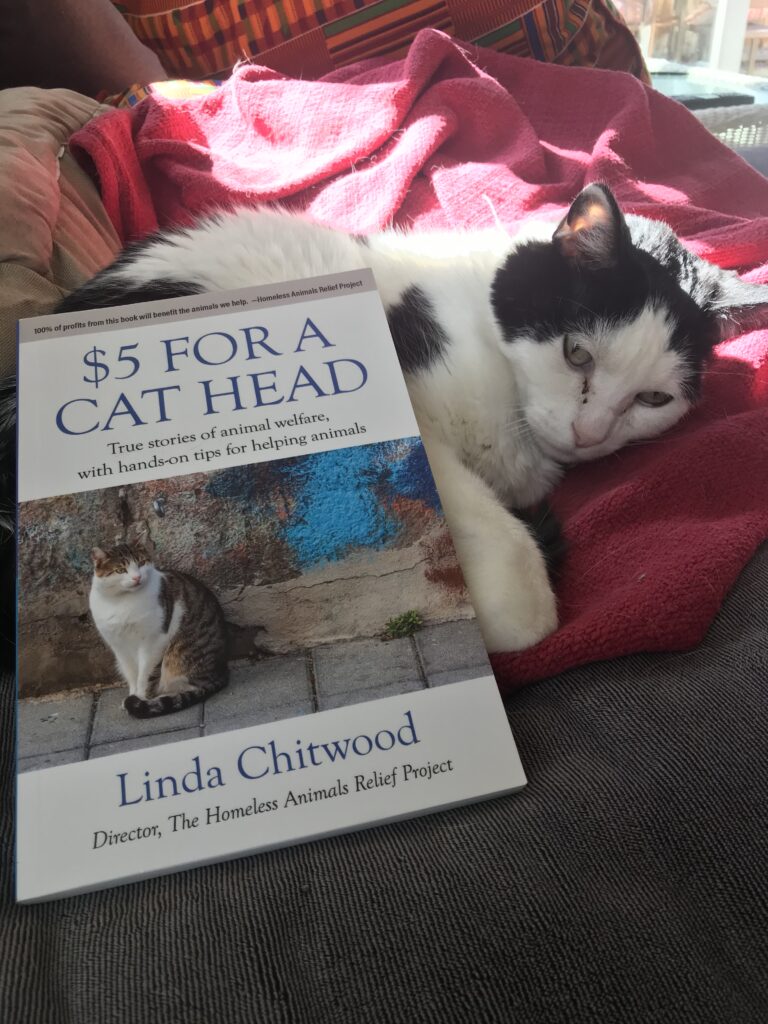
$5 for a Cat Head by Linda Chitwood
Linda Chitwood, founder of the Homeless Animals Relief Project, shares stories from her 25 years of animal rescue. The Homeless Animals Relief Project provides spay/neuter surgery for low-income pet owners living in rural Mississippi and 100% of the proceeds from this book go back to supporting their mission. I enjoyed reading the stories of animal rescues, both successful and heartbreaking that Chitwood shares. She also includes hands-on tips and lessons learned for others involved in animal rescue. Though at times a bit preachy and heavy handed, the stories are engaging and there is a lot to be learned from Chitwood’s experiences.
Rating: 2.5/5 rescued road-side animals

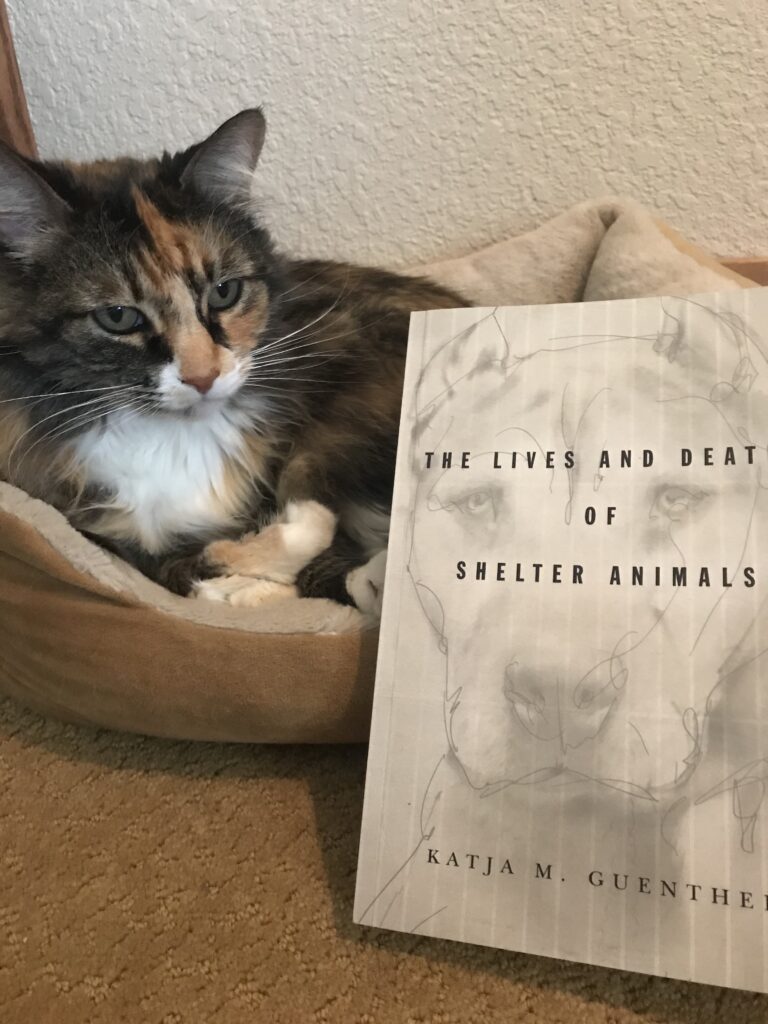
The Lives and Deaths of Shelter Animals by Katja M. Guenther***
CW: descriptions of neglected, abused, and euthanized animals
Probably everyone who works in the animal welfare industry should read this book. Dr. Guenther is an Associate Professor of Gender and Sexuality Studies at the University of California, Riverside, and she brings an anthropologist’s eye to the inner workings of one of the large animal shelters in Los Angeles. She explores how race, gender, class, and species intersect in the complex hierarchy of the shelter system. I learned so much from Dr. Guenther’s book and her keen observations made me rethink my assumptions and biases. Though I am a cat person and Dr. Guenther tended to focus on dogs, I was fascinated by her analysis of pit bulls and the ways in which racial perceptions impact them and affect their chances of being euthanized rather than adopted. Dr. Guenther also takes on what she calls “the myth of the irresponsible owner,” where pet owners from lower income, non-white areas tend to be blamed for the various systemic barriers that result in their needing to surrender animals to the shelter. Overall, I felt Dr. Guenther’s book is an extremely important work that encourages us to be more compassionate and reminds us that the oppressive systems at work in society at large are also at work in the microcosm of the shelter. The book invites us to rethink the entire sheltering system to make it more equitable and humane.
5/5 misunderstood pitbulls

***This book is part of my Books for a Social Conscience series! Read Concrete Rose to understand more about Blackness in America, including Black fatherhood and Black masculinity. Read Cemetery Boys to learn more about the trans experience, particularly in the Latinx community. Read Infinite Country to learn more about undocumented immigrants and the problems in Colombia (and much of Latin America) that were caused by American interventionism. Read Elatsoe to learn more about the Lipan Apache and more about Indigenous experience in general. Read The Lives and Deaths of Shelter Animals to learn more about systemic racism and how race, gender, class, and species interact to create inequality and cruelty.
Reads marked as part of the Books for a Social Conscience series will regularly address topics like race and racism, colonialism and post-colonialism, LGBTQ+ experience, feminism, BIPOC experience, social and political issues, history, identity, class, disability experience, immigration, gun violence, poverty, colorism, environmentalism, and more! The goal of these books is to diversify the stories we’re reading, grow our empathy for those who are different from us, and amplify voices who are often silenced.
December 2020 Books and End of Year Round-up

End of Year round-up

Number of new books read this year: 81

Number of books reread this year: 9 (from June -December)

Number of books by women and nonbinary people read this year (only including new books read): 49

Number of books by BIPOC read this year (only including new books read): 22

Breakdown by genre:
Fiction: 63
(Fantasy: 21; literary fiction: 16; science and speculative fiction: 11; historical fiction: 8; fairytales: 2; mythology: 2; children’s literature: 1; mystery: 1; supernatural: 1)
Nonfiction: 12
(Science: 3; biography: 2; memoir: 2; anthropology: 1; history: 1; how-to: 1; essays: 1; travel and humor: 1)
Graphic novel: 3
(fantasy: 2; memoir: 1)
Short story collection: 2
(literary fiction; 1; science fiction: 1)
Poetry: 1

First book of the year: Equal Rites by Terry Pratchett

Last book of the year: Summer Knight by Jim Butcher

Best books of the year (because I can’t chose one):
Utopia Avenue by David Mitchell
With the Fire on High by Elizabeth Acevedo
The City We Became by N. K. Jemisin
The Goldfinch by Donna Tartt
Ninth House by Leigh Bardugo

Worst books of the year
The Lion in the Living Room by Abigail Tucker
The Book Woman of Troublesome Creek by Kim Michele Richardson
The Accidental Alchemist by Gigi Pandian

December Books reread

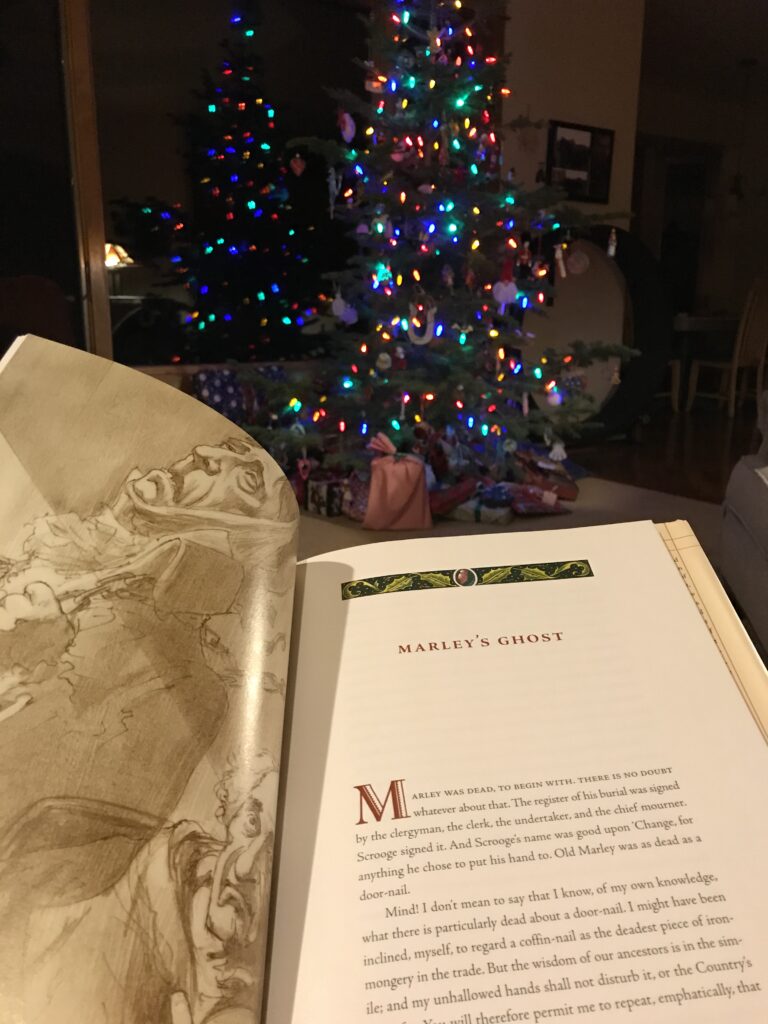
A Christmas Carol by Charles Dickens
I really cannot convey how much I love this book. Sometimes classics are classics for a reason. I never get tired of the story and delight in forcing my family to watch every movie adaption, including a filmed stage musical that I was in (I played the first spirit). This year I made everyone listen to Tim Curry’s audio book of it. Delightful. Dickens is definitely at his best in this book.
10/10 bad lobsters in a dark cellar

New Books Read

Bloomsbury Publishing USA

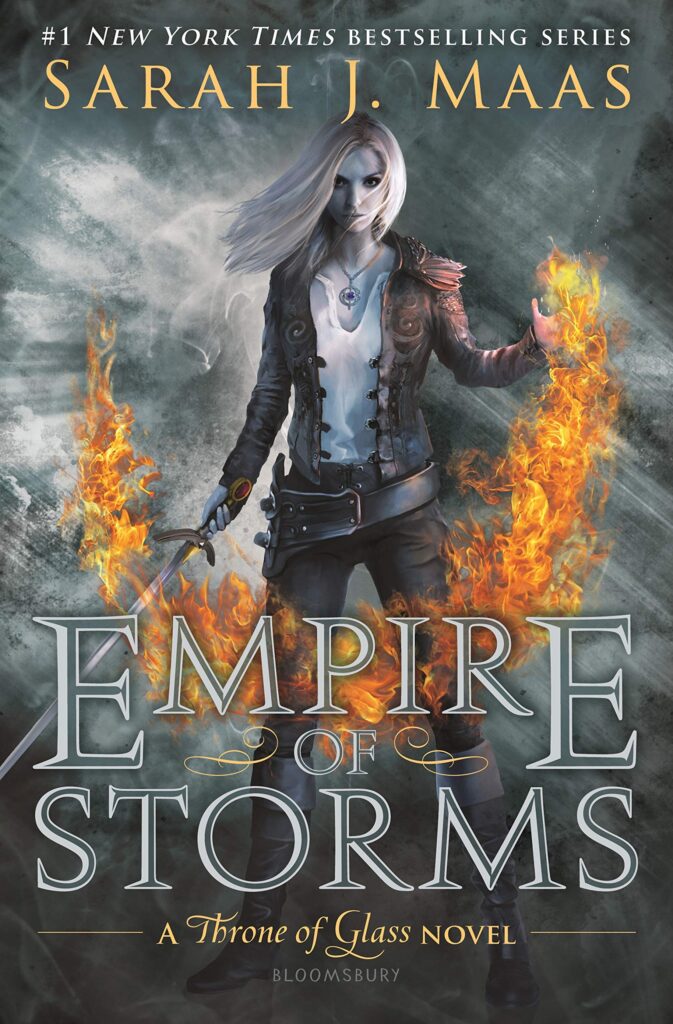
Empire of Storms by Sarah J. Maas
Book Hangover Alert**
Throne of Glass series book 5 of 7
I’ve been making my way through this series extremely slowly, not because it isn’t good, but because when I finish it, it will be over. Unfortunately, I did wait a little too long between reading book four and reading this one. It took me a minute to remember where we’d left off. But this installment did not disappoint. I don’t think it was my favorite of the series, but we got lots of quality Aelin and Rowan time, which I appreciated.
3.5/5 extremely attractive Fae males

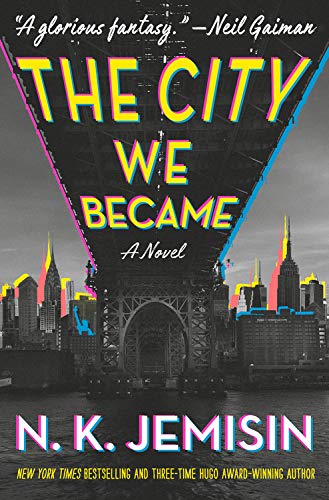
The City We Became by N. K. Jemisin***
Book Hangover Alert**
CW: racism, xenophobia
SO GOOD. It’s an urban fantasy/sci-fi that reminded me a bit of Neil Gaiman’s Neverwhere, except about New York instead of London. This book was about the personification of New York City and multi-dimensional alien threats. Even though I don’t live in New York, I do love the city and I felt the way Jemisin represented each of the boroughs of New York was (*chef’s kiss*) spot on. Her characters were so real and so vibrant and even though there was a lot of the characters standing around and talking, trying to decide what to do, I didn’t mind because I loved the characters. I would have read more of them just chatting to each other honestly. I don’t know if there will be another book, but I really hope so.
5/5 city avatars

Pan MacMillan

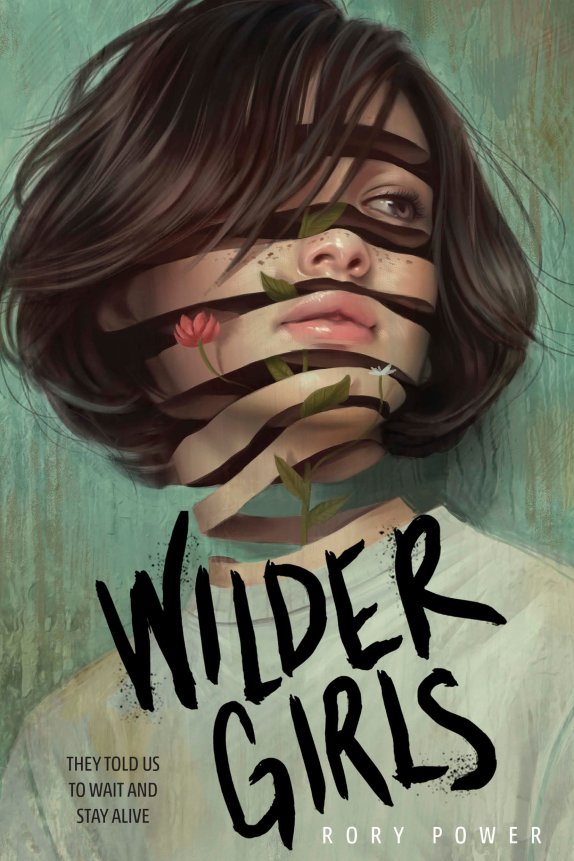
Wilder Girls by Rory Power***
Book Hangover Alert**
CW (provided by Rory Power’s website): graphic violence and body horror, gore, on the page character death, parental death, and animal death (the animals are not pets), behavior and descriptive language akin to self harm, and references to such, food scarcity and starvation, emesis, a scene depicting chemical gassing, suicide and suicidal ideation, non-consensual medical treatment.
This isn’t in the content warning, but I also want to acknowledge that this book is about a mysterious and deadly disease and a lockdown, so if that’s not something you want to think about when you’re reading during COVID times, I totally get it. That being said, this book was great. I read it because I saw it on Book Tok and the Tik Tok reviewer said “it’s gay and it slaps.” Reader, she was correct. I loved the style; the characterization was really strong. The prose was spare and still very expressive. I’m definitely ready for book two, so hopefully that’s a thing that’s coming. I also liked the themes of environmentalism and disability that threaded through the novel.
4/5 mutant deer

Oliver Twist by Charles Dickens
CW: anti-semitism, n-word
I always feel like reading Dickens in the winter, but I usually just read one of his Christmas books. This year I thought I’d give Oliver Twist a try. I really liked it. I love the way Dickens critiques the classism and social welfare of his day, and how he does it such an amusing way. The characters are vibrant and I love how neatly all the characters and threads of the story get tied up at the end. Now, that being said, holy anti-semitism, Batman. The character of Fagin is super problematic. I recently watched a Tik Tok video about how anti-semitism is a different kind of oppression because it assumes that Jews are both superior and inferior to white people. There are stereotypes that Jews are misers that control everything, the banks, etc. (superior), and that they’re rat-like parasites who feed off white people (inferior). Fagin perfectly embodies this caricature of the Jew; his hands are described as rat-like claws, his large nose is referenced many times, he is a robber who steals (from white people) to live, but he also controls this whole network of petty thieves that reports to him and he keeps all the best things to sell himself. Dickens, like many writers of this time, also equates physical beauty to goodness and virtue, which I also don’t love; but he does subvert society in other ways, critiquing the church and institutions like workhouses, both of which were supposed to help the poor and didn’t really, and critiquing the classism that kept people from marrying for love, instead choosing status or worrying what other people would think if they didn’t.
3/5 virtuous orphans

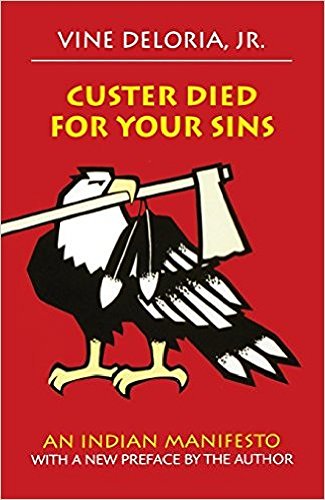
Custer Died for Your Sins by Vine Deloria Jr. ***
It’s important to note that this book is a little old, published in 1969. It discusses the state of Indian Affairs, so it’s important to remember its context is the 1960s, however, I’m sure many of the issues covered in the book are not as solved as we would hope 50 years later. This books is a good one to read to learn more about how the government has treated Native Americans from first contact to contemporary times. Though policy is very important, it’s not always the most exciting thing to read about. My favorite chapter was the one on Indian Humor; since Native Americans are usually portrayed as stoic and serious, it’s nice to read about how humor is actually integral to the Native experience.
3/5 anthropologists

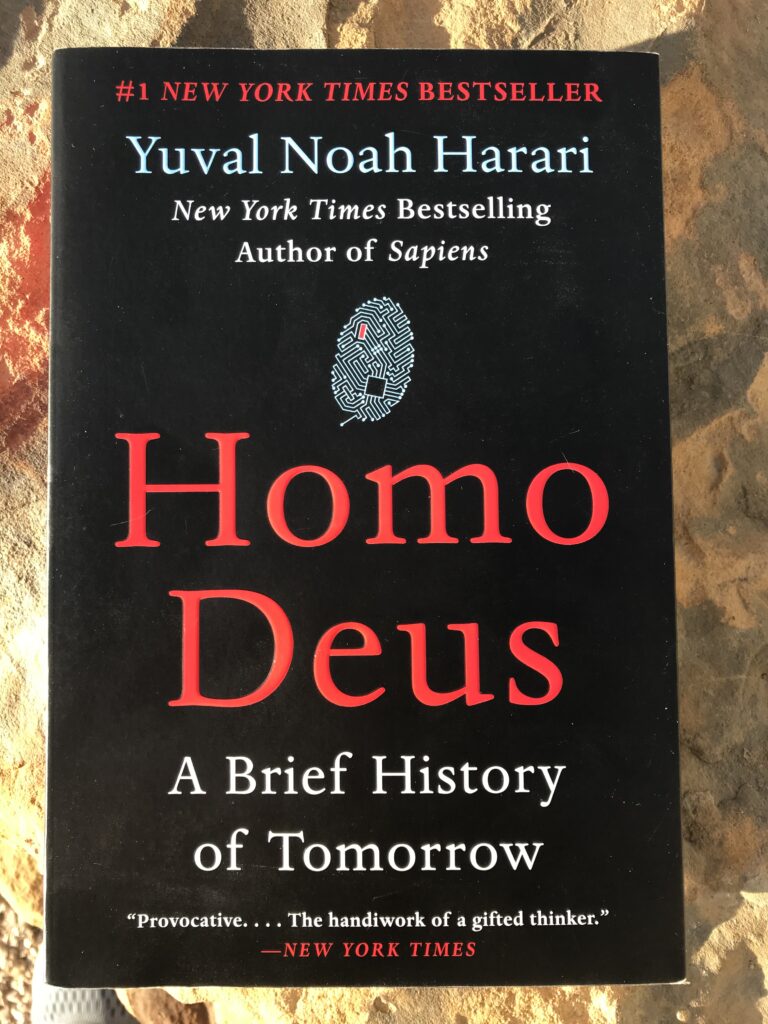
Homo Deus by Yuval Noah Harari
My aunt lent this to me in like March, but I’ve finally finished it. What I liked most about Harari’s book was that it was accessible. I’m not someone who knows a lot about science, but the way he writes and explains things made it easy to understand what he was talking about. The premise of the book is kind of a projection of the future and the goals of humans might be after we’ve solved the problems of war, famine, and plague. (LOL the book was written in 2016 and published in 2017; it’s pretty clear we haven’t solved problems like plague yet!) It was really interesting and also a bit scary (thinking about the future often is). Harari makes a strong argument and as someone who doesn’t read a ton of contemporary science and philosophy, most of his points seem sound to me. So I’d recommend also reading this New York Times review, which adds a few grains of salt with which to take Harari’s work.
3/5 micro robots

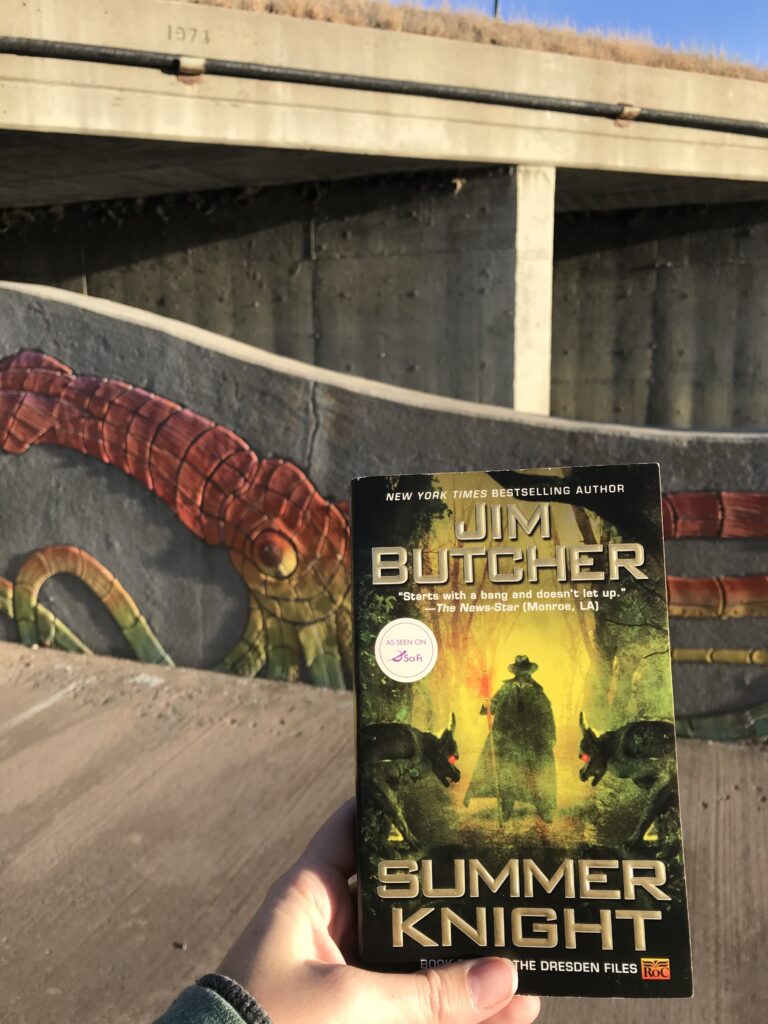
Summer Knight by Jim Butcher
Dresden Files book 4 of 17
Still trucking slowly through these. No spoilers, because this is book four, but Harry Dresden is still alive. I appreciated that in this book we got to meet some more wizards. I also appreciated that, for a book written in 2002, the White Council is pretty diverse. Now, that being said a lot of the representations are pretty stereotypical, but I’d like to think Butcher got better at it as he went along. Most straight, cis, white men aren’t going to get it right on the first try. So hopefully he’s doing better now, or we have a problem.
3.5/5 malicious faerie queens

**Book Hangover Alert indicates the kind of book that will leave you full up on love. Satisfied, but wishing the book never had to end. You’ll be laying on the floor with no idea what to do with yourself (other friends have called this feeling Good Book Depression or say that certain books necessitate Floor Time). This is the kind of book that gets its teeth in you and won’t let go easily. After the last page you’ll be thinking about this book for a long time. You’ll bother all your friends trying to get them to read it so that you won’t be alone in your Hangover.

***This book is part of my Books for a Social Conscience series! Read The City We Became to learn more about the diversity that makes up New York and America as a whole. Read Wilder Girls to see more queer people represented in YA and to consider environmental and disability issues. Read Custer Died for Your Sins to learn more about Indian Affairs, and Native issues and history.
Reads marked as part of the Books for a Social Conscience series will regularly address topics like race and racism, colonialism and post-colonialism, LGBTQ+ experience, feminism, BIPOC experience, social and political issues, history, identity, class, disability experience, immigration, gun violence, poverty, colorism, environmentalism, and more! The goal of these books is to diversify the stories we’re reading, grow our empathy for those who are different from us, and amplify voices who are often silenced.
css.php